Publications

Filter posts by category

Publications

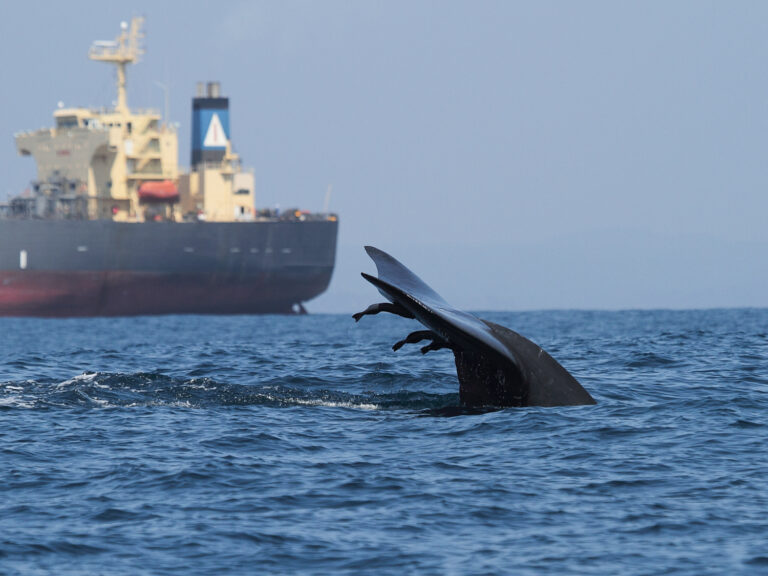
Ship collision risk threatens whales across the world’s oceans

Excerpt from UW News: “Thousands of whales are injured or killed each year after being struck by ships, particularly the large container vessels that ferry 80% of the world’s traded goods across the oceans. Collisions are the leading cause of death worldwide for large whale species. Yet global data on ship strikes of whales are hard to come by — […]

, , , ,
Publications

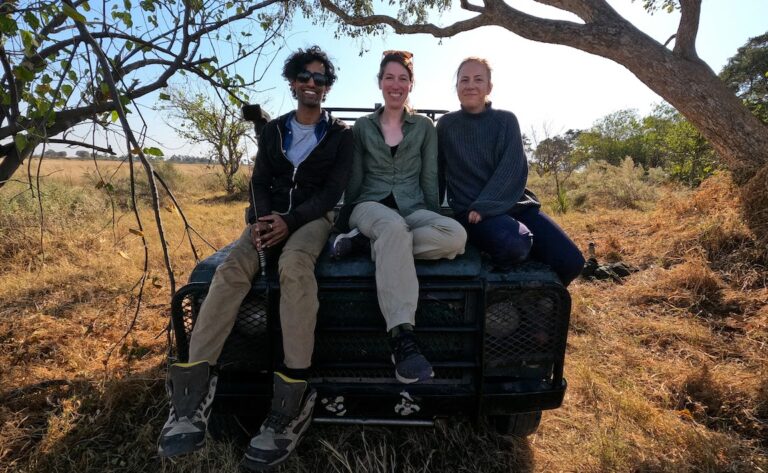
Removing institutional barriers to long-term fieldwork is critical for advancing ecology

Abstract: Long-term fieldwork is essential for ecology and conservation, but is hindered by institutional barriers, such as the publish-or-perish culture of academia, and funding limitations. Here, we discuss these challenges and propose strategies to overcome them, such as broadening evaluation metrics and supporting inclusivity, to advance scientific insight and societal equity. Authors: Kasim Rafiq, Neil R. Jordan, Weldon McNutt, John

, , ,
Publications

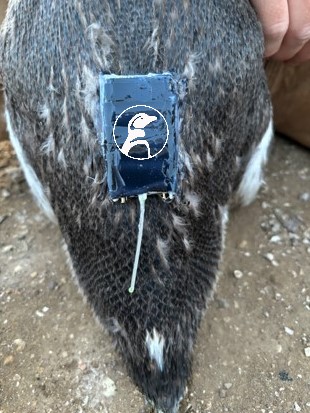
Maximizing biological insights from instruments attached to animals

From the highlights section: “Biologging sensors enable broad-scale, high-resolution measurements of the physiological, behavioral, demographic, social, and environmental interactions underpinning patterns in nature. We present a framework, case studies, and outstanding questions for integrating biologging data with theoretical concepts to facilitate process explanation and prediction.” Authors: Roxanne S. Beltran, A. Marm Kilpatrick, Simona Picardi, Briana Abrahms, Gabriel M. Barrile, William

, ,
Publications

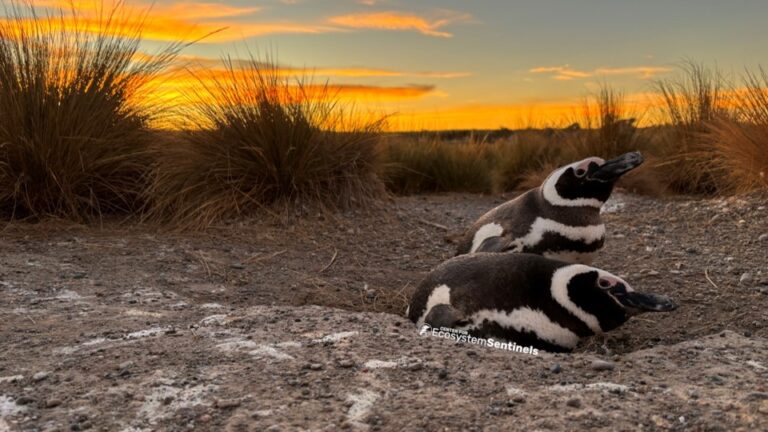
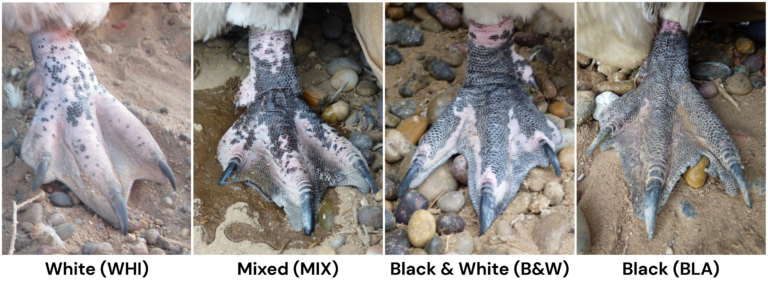
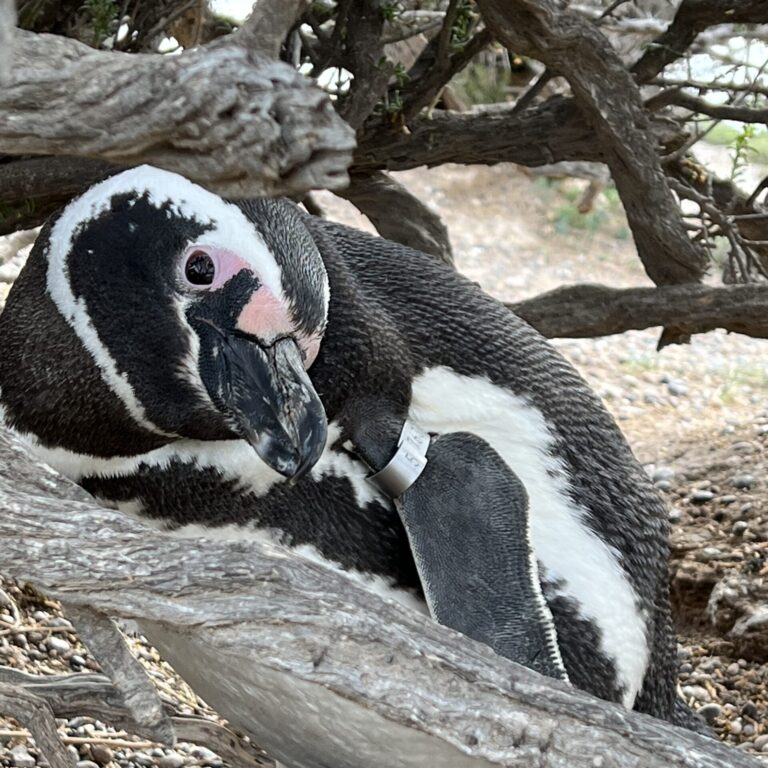
Foot darkening with age in Spheniscus penguins: applications and functions

From the abstract: “We found that Spheniscus penguins have pale feet at hatching and the feet become darker with age throughout the lives of individuals. We showed that we can accurately predict the age structure of a colony of Magellanic penguins Spheniscus magellanicus, but not the ages of individual penguins, based on a sample of foot colors.” Authors: Ginger Rebstock,

, , , , ,
Publications

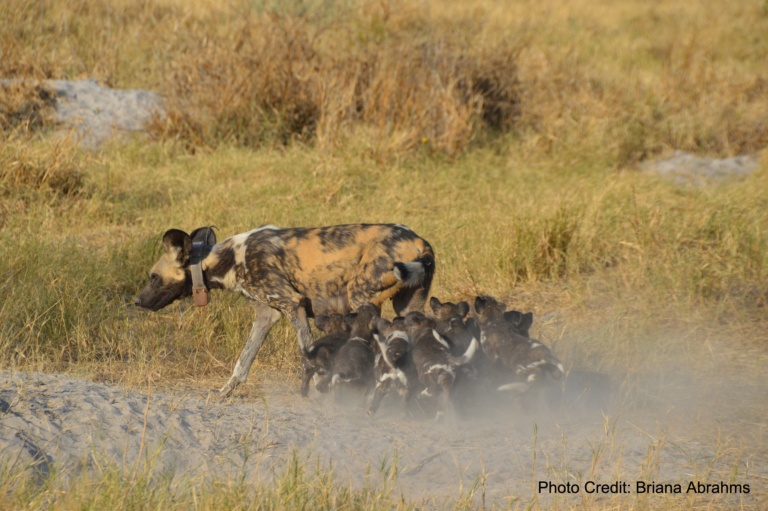
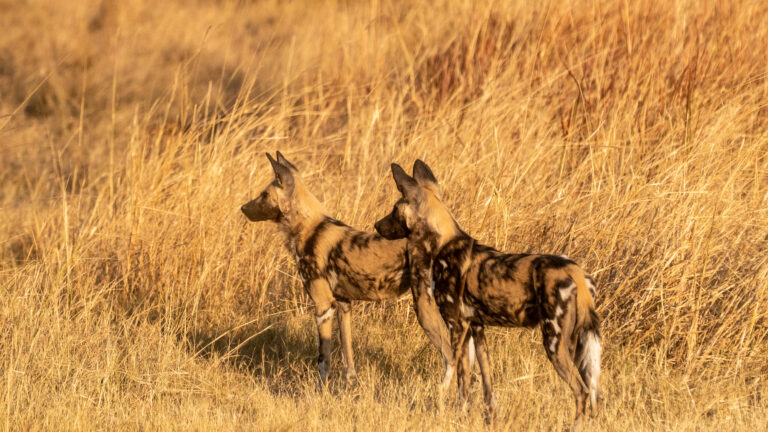
Droughts reshape apex predator space use and intraguild overlap

From the Abstract:Droughts are increasing in frequency and severity globally due to climate change, leading to changes in resource availability that may have cascading effects on animal ecology. Although several studies have demonstrated the ecological impacts of drought, the behavioural responses of individuals that scale up to these broader-scale effects are not well known, particularly among animals in top trophic

, , , , , , ,
Publications

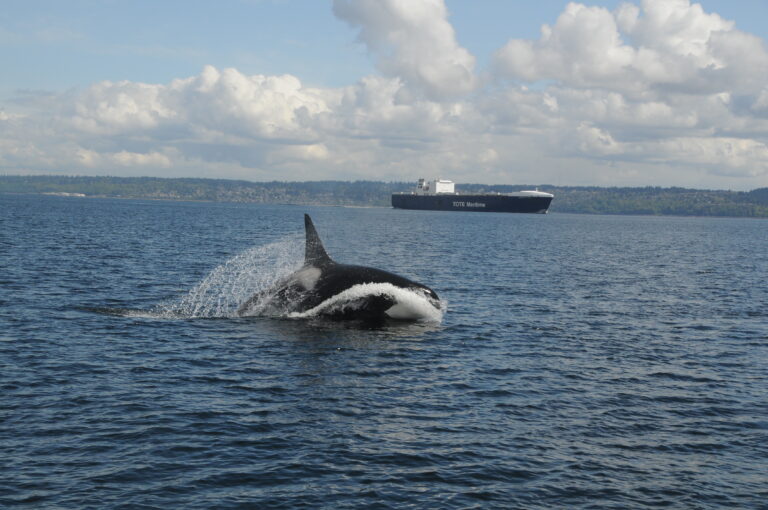
Males miss and females forgo

Summary adapted from social media post by Anna Testorf: One of our recent studies illustrates how noise from large ships and other vessels decreases overall foraging success of fish-eating killer whales through a process known as auditory masking. Knowing how vessel noise affects killer whales can inform actions to mitigate noise and promote health and survival of these vulnerable populations

, , ,
Publications

Anthropogenic impacts at the interface of animal spatial and social behaviour

From the abstract: “Here, we review studies of animal behaviour at the spatial–social interface to understand and predict how human disturbance affects animal movement, distribution and intraspecific interactions, with consequences for the conservation of populations and ecosystems. By understanding the spatial–social mechanisms linking human disturbance to conservation outcomes, we can better design management interventions to mitigate undesired consequences of disturbance.”

, ,
Publications

Scale at the interface of spatial and social ecology

From the abstract: “We propose three key innovations that incrementally build upon each other […] These conceptual innovations cast our understanding of the relationships between social and spatial dimensions of animal ecology in a new light, allowing a more holistic understanding and clearer hypothesis development for animal behaviour.” Authors: Simona Picardi, Briana L. Abrahms and Jerod A. MerkleJournal: Philosophical Transactions

, ,
Publications

Global expansion of human-wildlife overlap in the 21st century

“We show that the potential spatial overlap of global human populations and 22,374 terrestrial vertebrate species will increase across ~56.6% and decrease across only ~11.8% of the Earth’s terrestrial surface by 2070 […] The strong spatial heterogeneity of future human-wildlife overlap found in our study makes it clear that local context is imperative to consider, and more targeted area-based land-use

,
Publications

Increasing environmental variability inhibits evolutionary rescue in a long-lived vertebrate

“Using a multidecadal dataset on Magellanic penguins, we show that despite strong selection on body size, some environmental conditions favored larger bodies, and others favored smaller bodies, thus preventing consistent evolution in one direction or the other […] Such findings highlight that fluctuating selection can be driven by environmental variability, and these processes could eliminate the possibility of evolutionary rescue

, , , , ,
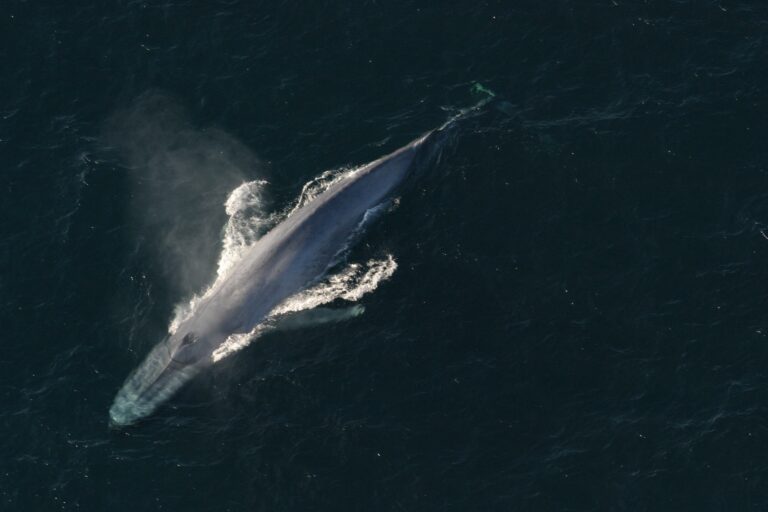
A photo of a blue whale surfacing in the open ocean, taken from above.Publications

Long-distance communication can enable collective migration in a dynamic seascape

“Social information is predicted to enhance the quality of animals’ migratory decisions in dynamic ecosystems, but the relative benefits of social information in the long-range movements of marine megafauna are unknown. In particular, whether and how migrants use nonlocal information gained through social communication at the large spatial scale of oceanic ecosystems remains unclear. […]” Authors: Stephanie Dodson, William K.

, ,
Publications

Spatial match-mismatch between predators and prey under climate change

Authors: Gemma Carroll, Briana Abrahms, Stephanie Brodie & Megan A. Cimino Journal: Nature Ecology and Evolution DOI: https://doi.org/10.1038/s41559-024-02454-0 “Climate change is driving a rapid redistribution of life on Earth. Variability in the rates, magnitudes and directions of species’ shifts can alter spatial overlap between predators and prey, with the potential to decouple trophic interactions. Although phenological mismatches between predator requirements

, ,
Publications

Ecosystem Sentinels as Early-Warning Indicators in the Anthropocene

Authors: Elliott L. Hazen, Matthew S. Savoca T.J. Clark-Wolf, Max Czapanskiy, Peter M. Rabinowitz, and Briana AbrahmsJournal: Annual Review of Environment and ResourcesDOI: https://doi.org/10.1146/annurev-environ-111522-102317 “Sentinel species, from birds to invertebrates, have been used to provide insights into ecosystem function, as leading indicators of risk to human health and as harbingers of future change, with implications for ecosystem structure and function.

, , , , , ,
Publications

The value of field research in academia

Authors: Kasim Rafiq, Neil R. Jordan, J. Weldon McNutt, John Neelo, Nina Attias, Dee Boersma, Meredith S. Palmer, Jennifer Ruesink, and Briana AbrahmsJournal: ScienceDOI: https://www.science.org/doi/10.1126/science.ado6937 “By refining the academic system to recognize and support different forms of scientific inquiry equally, we can build the diverse research community necessary to empower discovery across disciplines.”

, , ,
Publications

The capacity of sentinel species to detect changes

Full title: The capacity of sentinel species to detect changes in environmental conditions and ecosystem structureAuthors: T. J. Clark-Wolf, Katie A. Holt, Erik Johansson, Anna C. Nisi, Kasim Rafiq, Leigh West, P. Dee Boersma, Elliott L. Hazen, Sue E. Moore, Briana AbrahmsJournal: Journal of Applied EcologyDOI: 10.1111/1365-2664.14669 “A major obstacle to preventing and reversing biodiversity loss in the Anthropocene lies in the scarcity of tools and data for monitoring

, , , , , , , , ,
Scroll to Top