migration

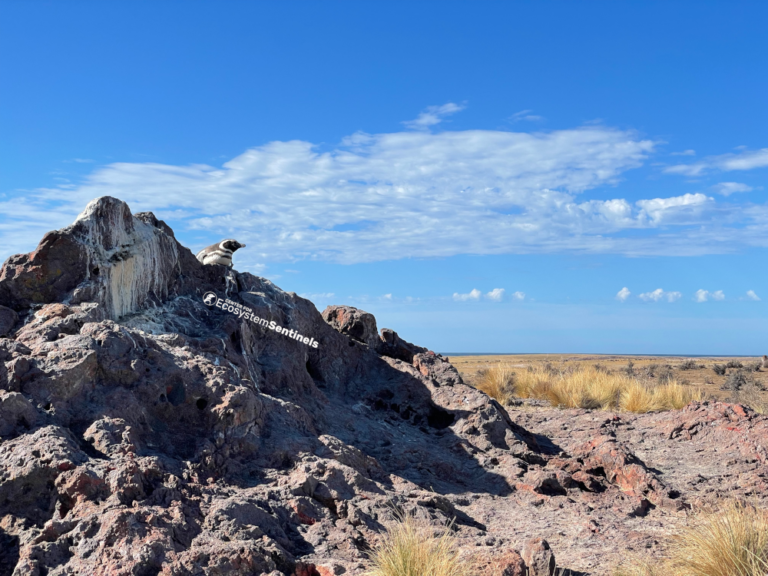
A penguin stands on a large rock with a blue sky as a backdrop.Boersma Lab, Updates from the Field

Field updates: Argentina, March 2025

Written by Dr. Eric Wagner Thanks once again to generous support from Zoo Augsburg, research scientist Dr. Eric Wagner and computer specialist Pearl Wellington traveled to Punta Tombo in early March for a couple of weeks to mark the end of the breeding season. Eric and Pearl went to deploy twenty geolocating time-depth recorder (GLD) tags to female and male […]

, , , , ,
Publications

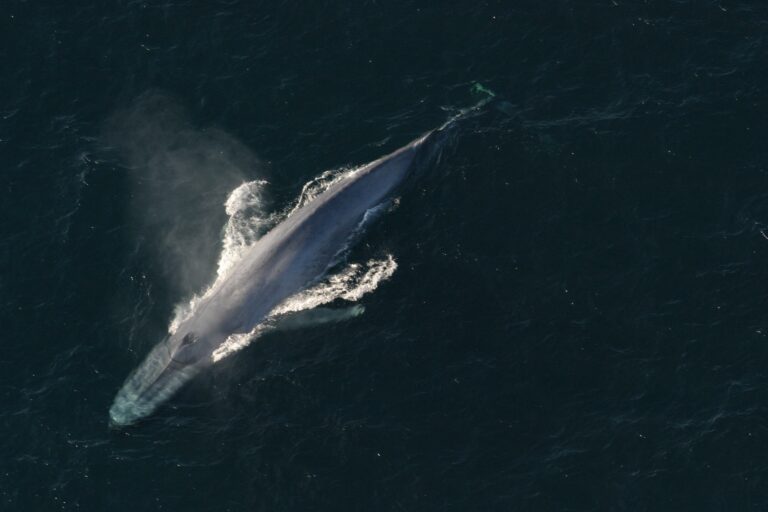
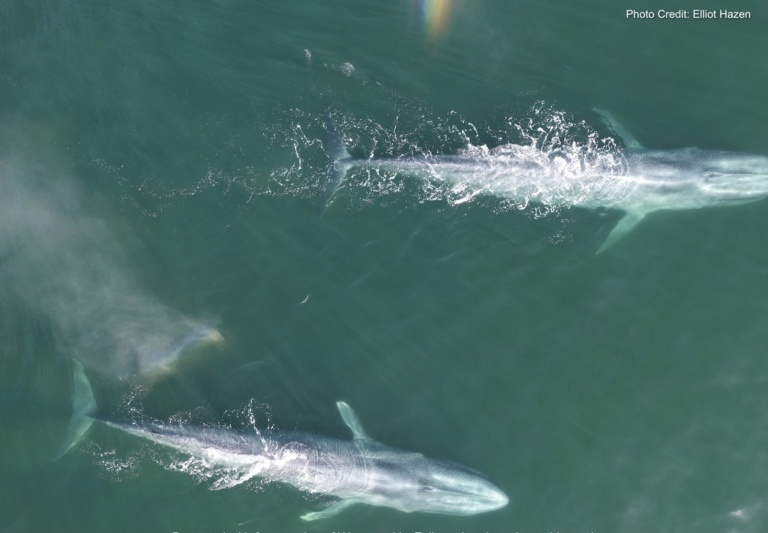
Long-distance communication can enable collective migration in a dynamic seascape

“Social information is predicted to enhance the quality of animals’ migratory decisions in dynamic ecosystems, but the relative benefits of social information in the long-range movements of marine megafauna are unknown. In particular, whether and how migrants use nonlocal information gained through social communication at the large spatial scale of oceanic ecosystems remains unclear. […]” Authors: Stephanie Dodson, William K.

, ,
Publications

Sex-specific migratory behavior in a marine predator results in higher risks to females

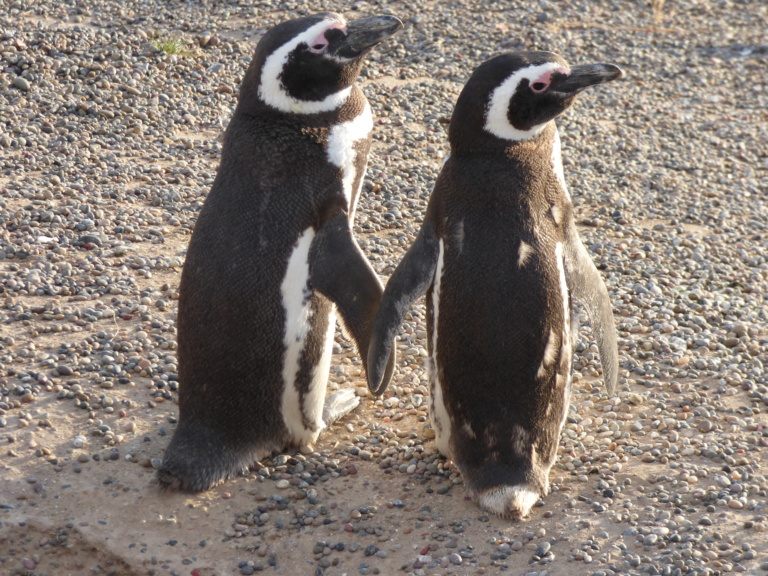
Protecting migratory animals is challenging because males and females can travel to different places at different times of the year. In this study, Dr. Ginger Rebstock and Dr. Dee Boersma tracked male and female Magellanic penguins during their migration and found that females stayed closer to shore and slightly farther north than males. Both sexes reached similar overall latitudes, but

, , , ,
Scroll to Top