orcas

Dr. Jennifer Tennessen collaborator in report about Southern Resident Killer Whales

The report Strengthening recovery actions for southern resident killer whales was born out of the SRKW workshop Dr. Tennessen attended last spring. The recommendations in the report were developed by a panel of killer whale, salmon, and conservation scientists. The three main recommendations include: They also list 12 key research gaps that will guide effective conservation action. The full report […]

Photo of Dr. Jennifer Tennessen

Dr. Tennessen attends SRKW workshop

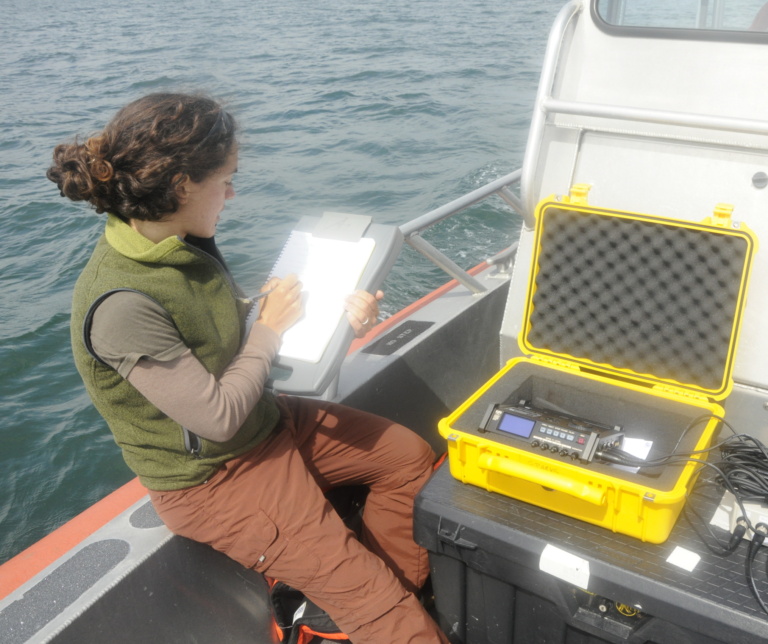
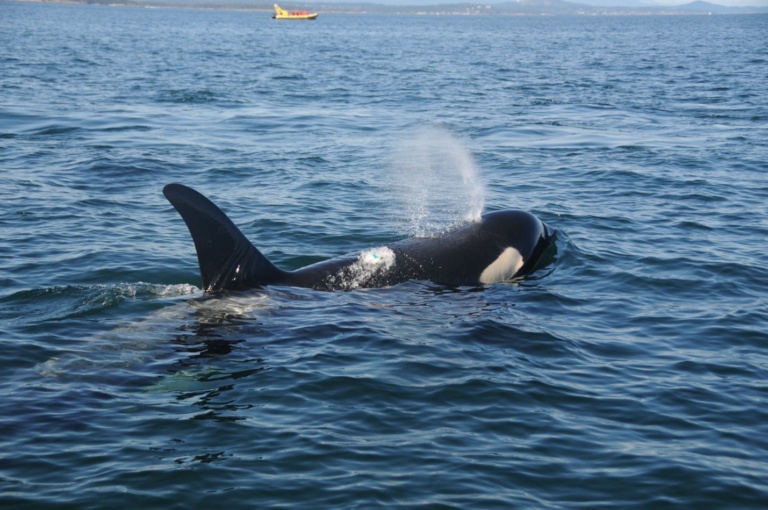
Written by Dr. Jennifer Tennessen In early March, Dr. Jennifer Tennessen participated in a 3-day expert workshop on Southern Resident killer whale biology and conservation in Vancouver, British Columbia. The workshop was motivated by the increasingly dire situation facing this endangered population of orcas, which spends a large part of the year in the inland waters around Seattle and Vancouver.

Males miss and females forgo: Auditory masking from vessel noise…

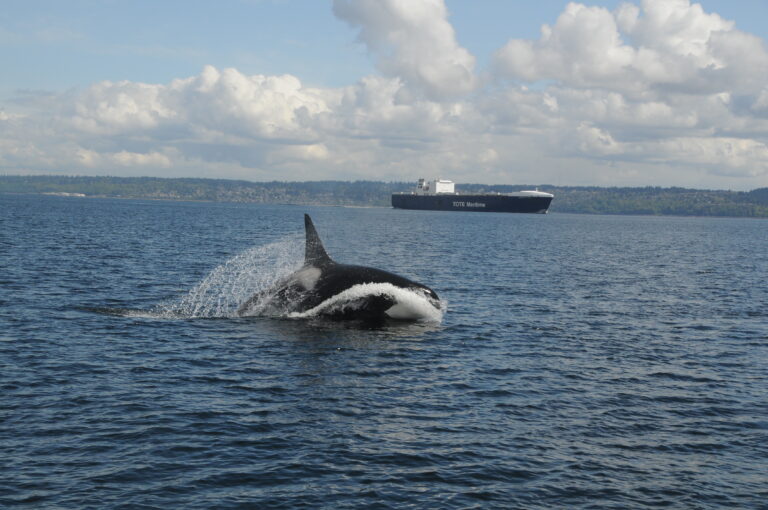
Summary adapted from social media post by Anna Testorf: One of our recent studies illustrates how noise from large ships and other vessels decreases overall foraging success of fish-eating killer whales through a process known as auditory masking. Knowing how vessel noise affects killer whales can inform actions to mitigate noise and promote health and survival of these vulnerable populations

Divergent foraging strategies between populations of sympatric matrilineal killer whales

Authors: Jennifer B Tennessen, Marla M Holt, Brianna M Wright, M Bradley Hanson, Candice K Emmons, Deborah A Giles, Jeffrey T Hogan, Sheila J Thornton, Volker B DeeckeJournal: Behavioral EcologyDOI: 10.1093/beheco/arad002Coverage: The Seattle Times, Skagit Valley Herald, Seattle King 5 News, KUOW Public Radio, Oregon Public Broadcasting’s “Think Out Loud”, Victoria Times Colonist, North Shore News

Photo credit: NOAA Fisheries

Vessels and their sounds reduce prey capture effort by endangered killer whales

From the abstract: “We identified prey capture dives using whale kinematic signatures and found that the probability of capturing prey increased as salmon abundance increased, but decreased as vessel speed increased. When vessels emitted navigational sonar, whales made longer dives to capture prey and descended more slowly when they initiated these dives. Finally, whales descended more quickly when noise levels

Effects of vessel distance and sex on the behavior of endangered killer whales

From the abstract: “Our findings, suggesting that female killer whales are at greater risk to close approaches by vessels, highlight the importance of understanding sex-specific responses to disturbance. These findings can inform future management decisions seeking to preserve foraging opportunities and enhance recovery efforts relevant to many cetacean species, including vulnerable and endangered populations.” Authors: Marla M. Holt, Jennifer B.

Scroll to Top