Dr. Anna Nisi

News

World Whale Day 2026

While we are known for our penguin research, there is another marine sentinel that the Center holds dear: whales. In fact, Dr. Sue Moore recently received the Kenneth S. Norris Lifetime Achievement Award from the Society for Marine Mammalogy, recognizing her outstanding career and lasting contributions to marine mammal science! It’s safe to say we know a thing or two […]

, , , , ,
Publications

Intraguild competition mediates human avoidance in an endangered African large carnivore

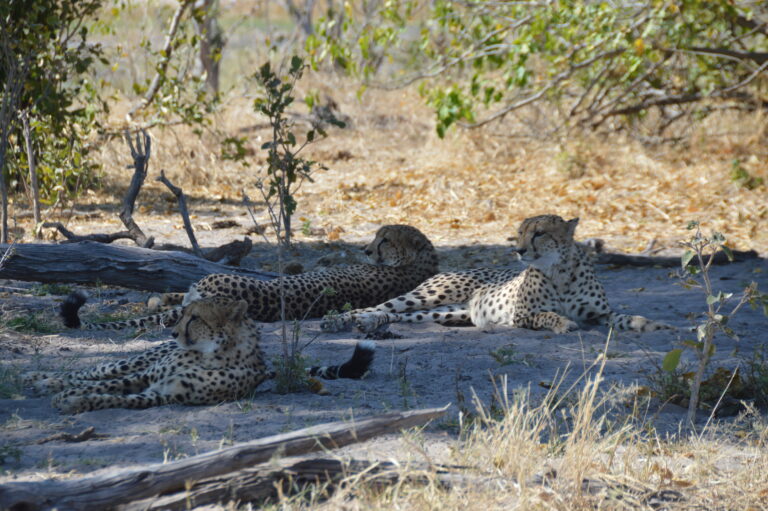
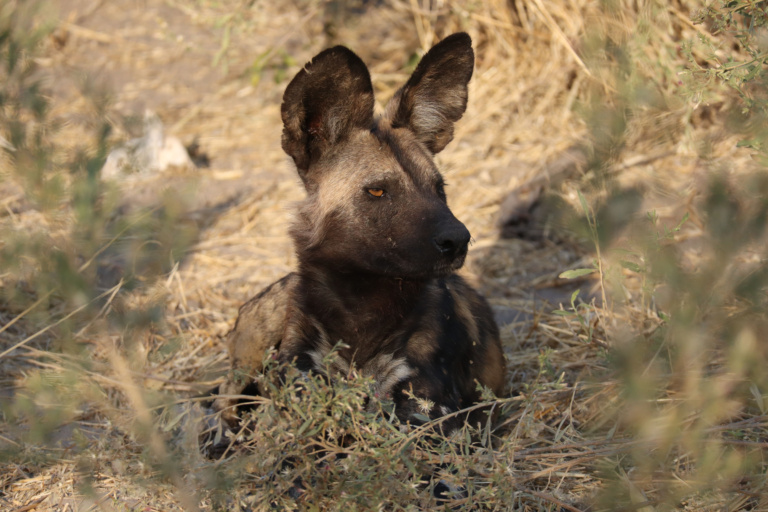
Excerpt from the abstract: Here, we examined the spatial behaviour of two sympatric large carnivore species exhibiting intense intraguild competition—lions and African wild dogs—to investigate whether intraguild competition mediates large carnivore responses to human disturbance in support of the anthropogenic refuge hypothesis. We found that lions consistently avoided human-dominated areas. Similarly, we found that wild dogs generally avoided human-dominated areas,

, , , , ,
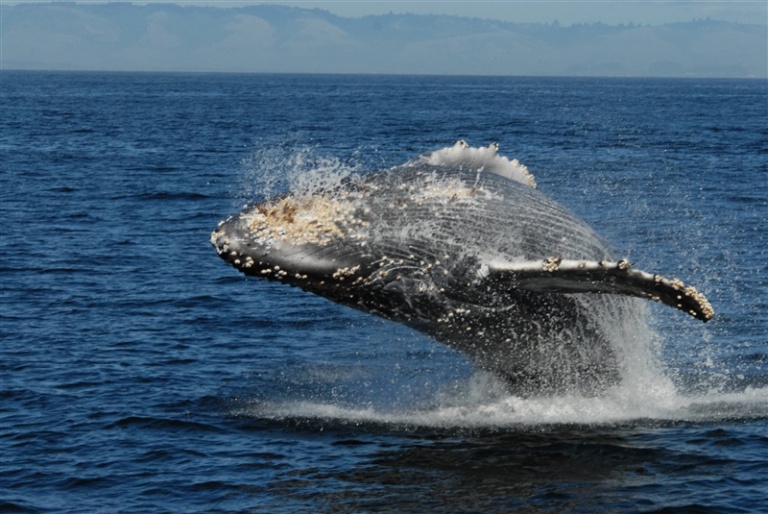
Humpback whale breachingAbrahms Lab, News

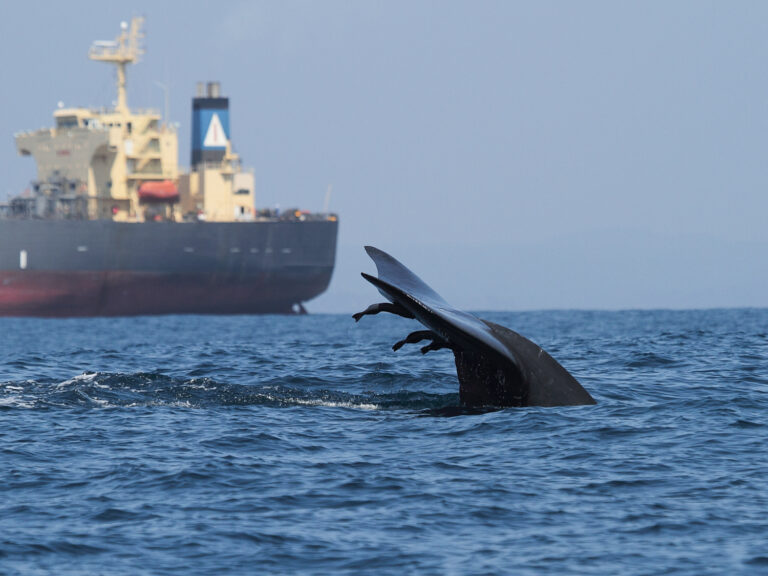
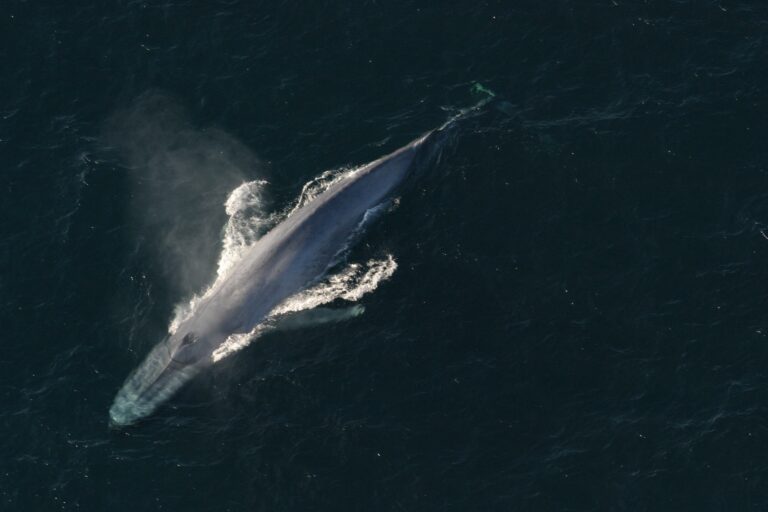
New maps show high-risk zones for whale-ship collisions

Article originally published under the title “New maps show high-risk zones for whale-ship collisions − vessel speed limits and rerouting can reduce the toll” by The Conversation and republished through the Creative Commons — Attribution/No Derivatives license. Written by Dr. Anna Nisi. Imagine you are a blue whale swimming up the California coast, as you do every spring. You are searching

, , ,
Publications

Ship collision risk threatens whales across the world’s oceans

Excerpt from UW News: “Thousands of whales are injured or killed each year after being struck by ships, particularly the large container vessels that ferry 80% of the world’s traded goods across the oceans. Collisions are the leading cause of death worldwide for large whale species. Yet global data on ship strikes of whales are hard to come by —

, , , ,
Publications

The capacity of sentinel species to detect changes

Full title: The capacity of sentinel species to detect changes in environmental conditions and ecosystem structureAuthors: T. J. Clark-Wolf, Katie A. Holt, Erik Johansson, Anna C. Nisi, Kasim Rafiq, Leigh West, P. Dee Boersma, Elliott L. Hazen, Sue E. Moore, Briana AbrahmsJournal: Journal of Applied EcologyDOI: 10.1111/1365-2664.14669 “A major obstacle to preventing and reversing biodiversity loss in the Anthropocene lies in the scarcity of tools and data for monitoring

, , , , , , , , ,
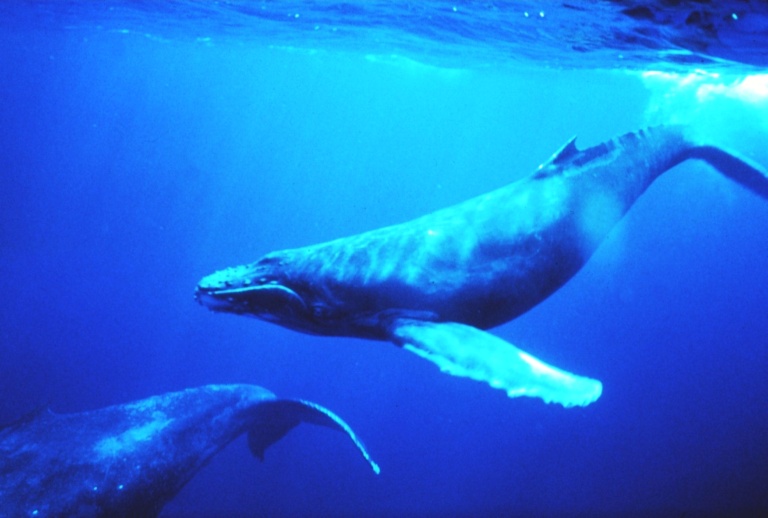
Humpback whale in singing position. Photo credit NOAA / Dr. Louis M. HermanAbrahms Lab, News

Using the power of models to protect whales from possible ship-strikes

Written by Dr. Anna Nisi We have been building cutting-edge models of species distributions for four great whale species – blue, fin, sperm, and humpback whales. One key threat to the great whales is collisions with shipping vessels, and identifying places where ship-strike risk is high is essential for informing mitigation actions like vessel slow-downs. Our next step is to

, , ,
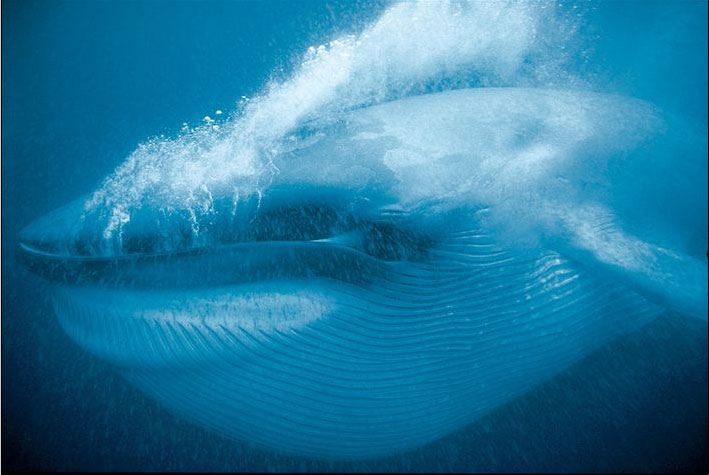
A blue whale underwaterPublications

Climate change as a global amplifier of human–wildlife conflict

Climate change and human–wildlife conflict are major problems for both biodiversity conservation and people today. Climate change makes conflicts worse by reducing resources, changing where animals and people live, and increasing how often they run into each other. Scientists have found climate-related conflicts involving many kinds of animals across all continents and oceans. These conflicts can harm local livelihoods, large

, , , , ,
Publications

Habitat fragmentation reduces survival and drives source–sink dynamics for a large carnivore

Authors: Anna C. Nisi, John F. Benson, Richard King, Christopher C. WilmersJournal: Ecological ApplicationsDOI: 10.1002/eap.2822 Rigorous understanding of how environmental conditions impact population dynamics is essential for species conservation, especially in mixed-use landscapes where source–sink dynamics may be at play…

, ,
Scroll to Top