movement ecology

An African wild dog looks towards the camera through green leaves.Publications

Wild canids and felids differ in their reliance on reused travel routeways

Dr. Briana Abrahms and Dr. Kasim Rafiq, along with many collaborators, published this study in PNAS earlier this fall. Animals move through their environments in many different ways, and these movement patterns affect things like hunting, finding mates, and spreading diseases. This study looked at GPS data from over 1,200 wild carnivores—16 canid (dog-like) and 18 felid (cat-like) species from […]

, , , ,
Publications

Perceived and observed biases within scientific communities

Full title: Perceived and observed biases within scientific communities: a case study in movement ecology From the abstract: “Although the survey indicated most conference participants as bias-aware, conversations only covered a subset of biases. We discuss potential causes of bias (parachute-science, fieldwork accessibility), solutions and the need to evaluate mitigatory action effectiveness. Undertaking data-driven analysis of bias within sub-disciplines can

, , ,
Publications

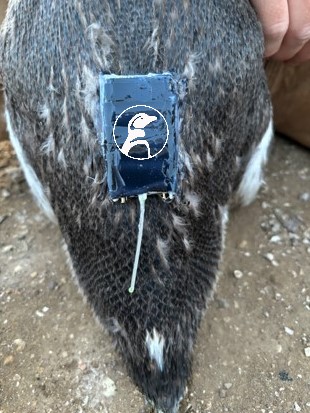
Maximizing biological insights from instruments attached to animals

From the highlights section: “Biologging sensors enable broad-scale, high-resolution measurements of the physiological, behavioral, demographic, social, and environmental interactions underpinning patterns in nature. We present a framework, case studies, and outstanding questions for integrating biologging data with theoretical concepts to facilitate process explanation and prediction.” Authors: Roxanne S. Beltran, A. Marm Kilpatrick, Simona Picardi, Briana Abrahms, Gabriel M. Barrile, William

, ,
Publications

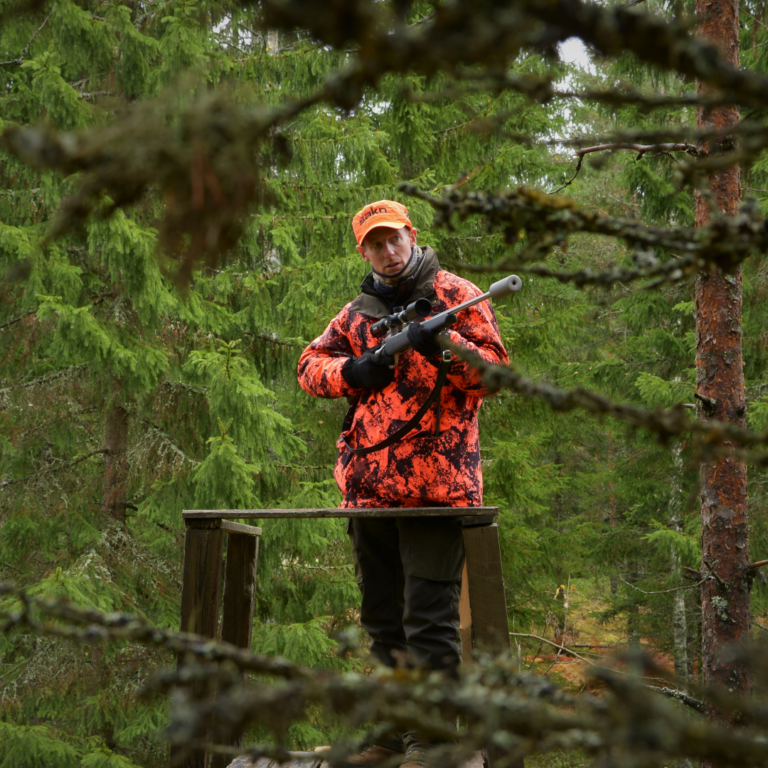
Hunting mode and habitat selection mediate the success of human hunters

Authors: Kaitlyn M. Gaynor, Alex McInturff, Briana L. Abrahms, Alison M. Smith & Justin S. BrasharesJournal: Movement EcologyDOI: https://doi.org/10.1186/s40462-024-00471-z Abstract Excerpt: “Our study indicates that hunters can successfully employ a diversity of harvest strategies, and that hunting success is mediated by the interacting effects of hunting mode and landscape features. Such results highlight the breadth of human hunting modes, even

, ,
A blue whale underwaterPublications

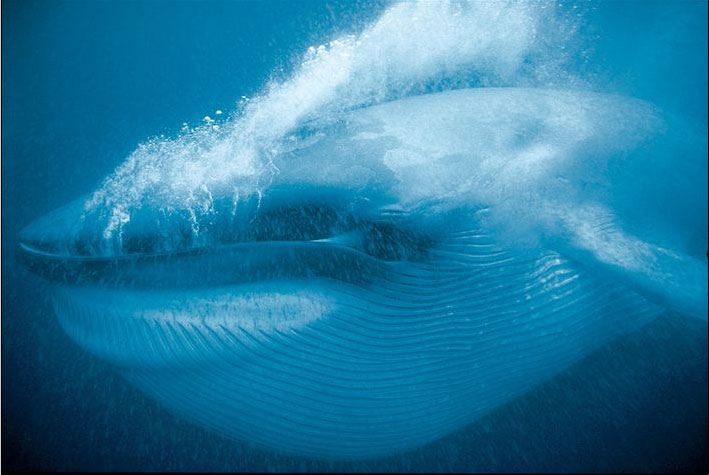
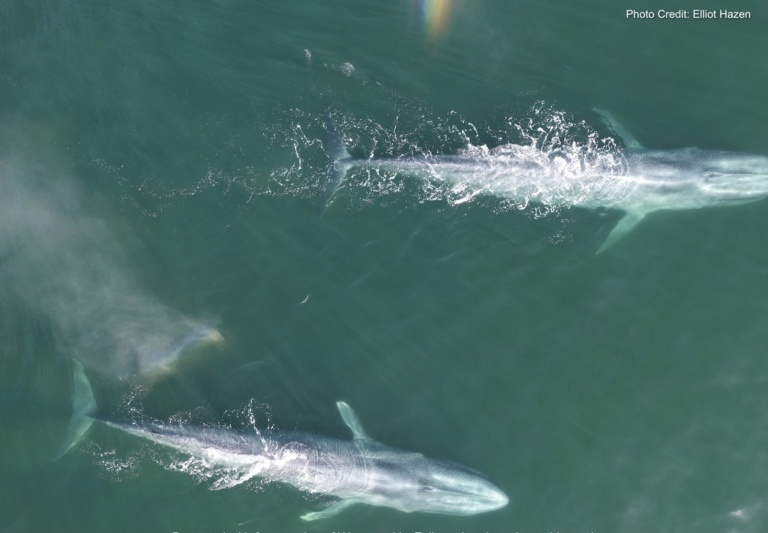
Blue whales increase feeding rates at fine-scale ocean features

Marine predators like blue whales must find prey that is unevenly spread across the ocean, which makes feeding challenging. Scientists know animals make movement choices at different scales, but it is unclear how these choices affect how well they feed. This study combined satellite data with detailed tracking data from blue whales to see how small-scale ocean features affect where

, , ,
An African wild dog looks towards the camera through green leaves.Publications

A spatial capture–recapture model for group-living species

Animals that live in groups can affect their populations and ecosystems in complicated ways, so scientists need good methods to measure how many groups there are, how big they are, and how many individuals live in them. Traditional spatial capture–recapture (SCR) methods can estimate either group density or individual density, but they often give biased results for group-living species because

, , ,
Publications

An integrated path for spatial capture–recapture and animal movement modeling

Ecologists use spatial capture–recapture (SCR) models to study whole animal populations and movement models to study how individual animals behave. Even though individual movement shapes population patterns, these two approaches have mostly been developed separately. Movement models usually focus only on individuals, while SCR models focus on populations but simplify how animals move. The authors argue that combining these two

, ,
Scroll to Top