blue whales

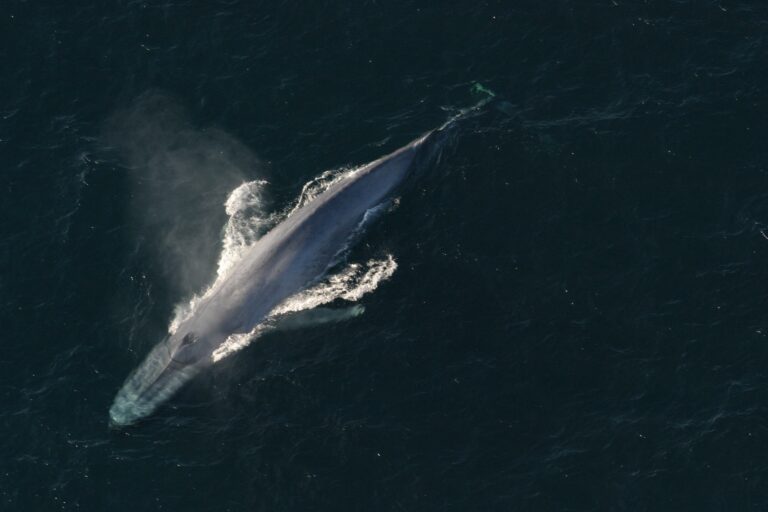
A photo of a blue whale surfacing in the open ocean, taken from above.Publications

Resource variability shapes the ecology of social information and collective sensing

Paper highlights: Social information enables organisms, from whales to bacteria, to expand their sensory capacity beyond that of a single individual. Understanding why such collective sensing evolves requires evaluating the ecological costs and benefits of using and producing social information. The value of social information for an individual consumer depends on how the resource varies in space, time, and abundance. […]

, ,
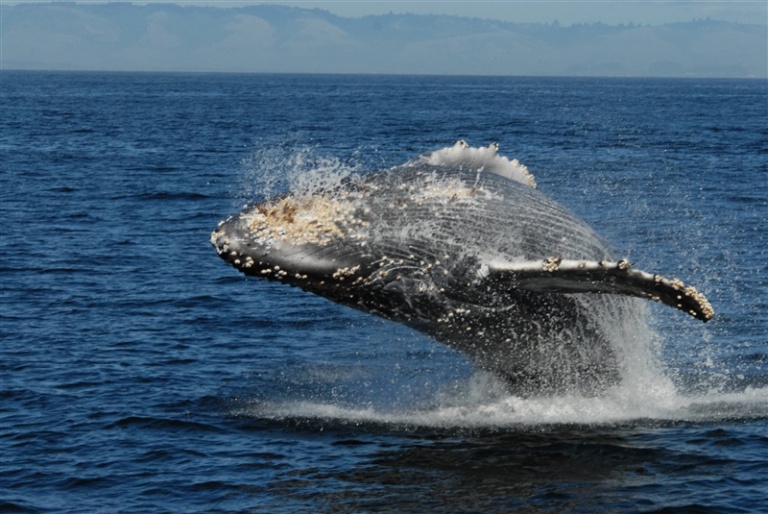
A humpback whale breaching in a graceful arc.Publications

Identifying climate refugia and bright spots for highly mobile species

From the abstract: “We present a framework to facilitate climate change adaptation planning by identifying where highly migratory species habitats will persist (climate refugia), emerge (bright spots), disappear (dark spots), or remain unsuitable based on model analysis by 2100. When applied to eight species in the California Current System, we found that, on average, 37% of habitats are expected to

, , , , , , ,
Humpback whale breachingAbrahms Lab, News

New maps show high-risk zones for whale-ship collisions

Article originally published under the title “New maps show high-risk zones for whale-ship collisions − vessel speed limits and rerouting can reduce the toll” by The Conversation and republished through the Creative Commons — Attribution/No Derivatives license. Written by Dr. Anna Nisi. Imagine you are a blue whale swimming up the California coast, as you do every spring. You are searching

, , ,
Publications

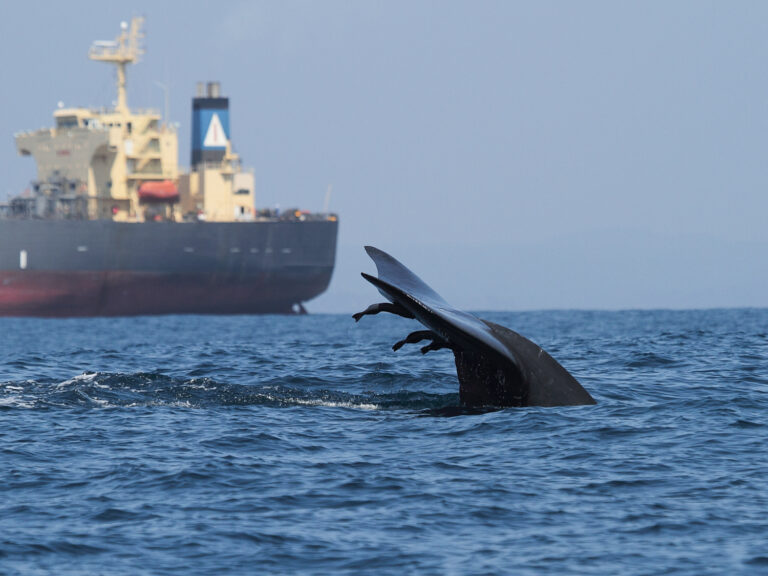
Ship collision risk threatens whales across the world’s oceans

Excerpt from UW News: “Thousands of whales are injured or killed each year after being struck by ships, particularly the large container vessels that ferry 80% of the world’s traded goods across the oceans. Collisions are the leading cause of death worldwide for large whale species. Yet global data on ship strikes of whales are hard to come by —

, , , ,
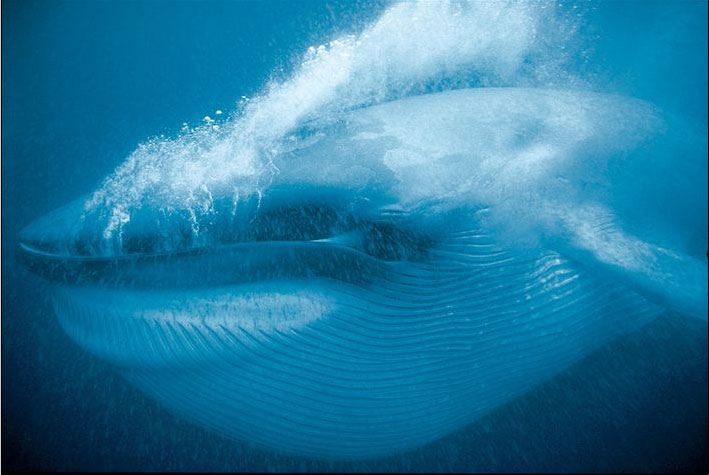
A blue whale underwaterPublications

Blue whales increase feeding rates at fine-scale ocean features

Marine predators like blue whales must find prey that is unevenly spread across the ocean, which makes feeding challenging. Scientists know animals make movement choices at different scales, but it is unclear how these choices affect how well they feed. This study combined satellite data with detailed tracking data from blue whales to see how small-scale ocean features affect where

, , ,
Scroll to Top