Publications

Filter posts by category

Publications

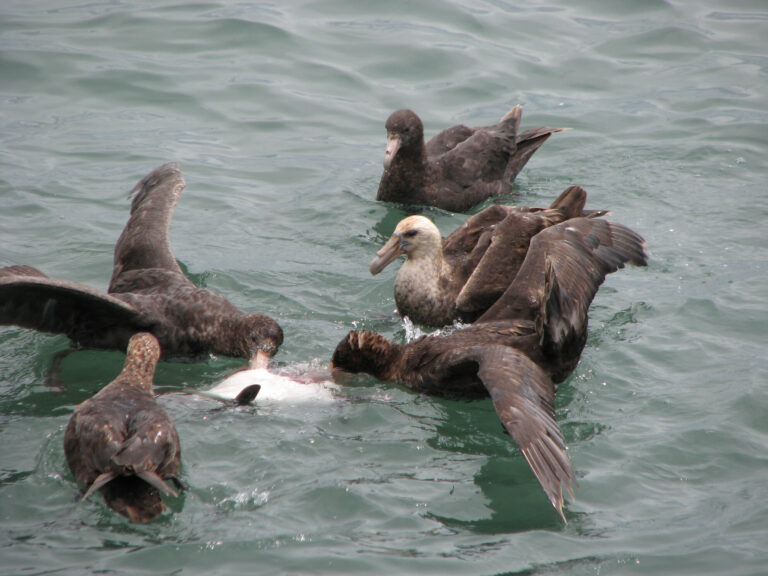
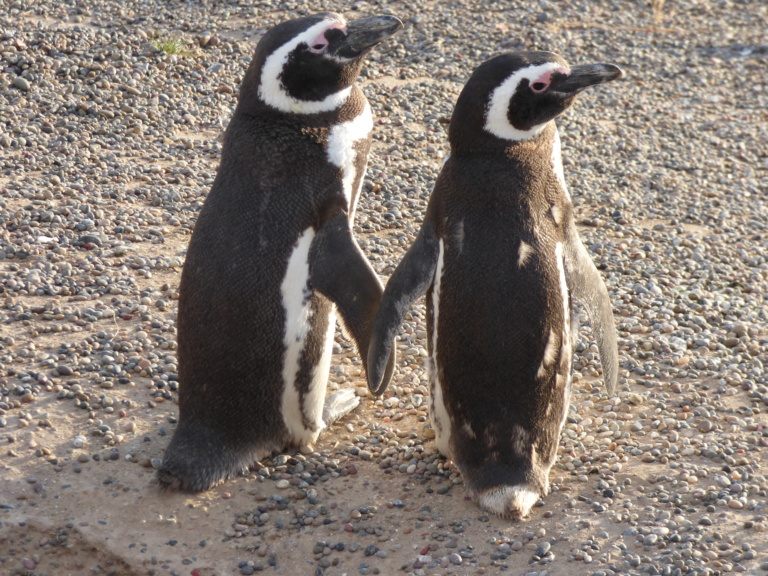
A fearful scourge to the penguin colonies

Full title: A fearful scourge to the penguin colonies: Southern giant petrel (Macronectes giganteus) predation on living Magellanic penguins (Spheniscus magellanicus) may be more common than assumedAuthors: Dr. Eric Wagner, Dr. Ginger Rebstock and Dr. P Dee BoersmaJournal: Marine Ecology Press SeriesDOI: 10.1002/ece3.11258 Excerpt from abstract: Southern giant petrels (Macronectes giganteus) are important consumers that range across the oceans throughout […]

, , , ,
Publications

Hunting mode and habitat selection mediate the success of human hunters

Authors: Kaitlyn M. Gaynor, Alex McInturff, Briana L. Abrahms, Alison M. Smith & Justin S. BrasharesJournal: Movement EcologyDOI: https://doi.org/10.1186/s40462-024-00471-z Abstract Excerpt: “Our study indicates that hunters can successfully employ a diversity of harvest strategies, and that hunting success is mediated by the interacting effects of hunting mode and landscape features. Such results highlight the breadth of human hunting modes, even

, ,
Publications

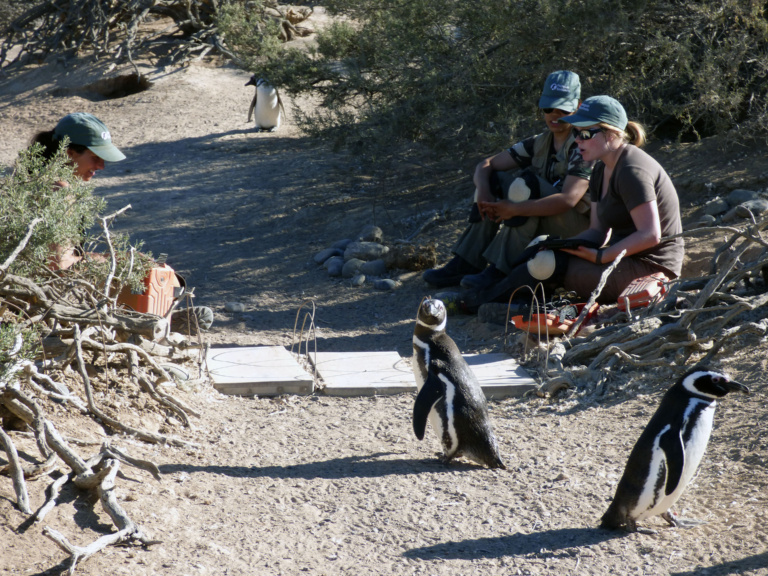
Sex-specific migratory behavior in a marine predator results in higher risks to females

Protecting migratory animals is challenging because males and females can travel to different places at different times of the year. In this study, Dr. Ginger Rebstock and Dr. Dee Boersma tracked male and female Magellanic penguins during their migration and found that females stayed closer to shore and slightly farther north than males. Both sexes reached similar overall latitudes, but

, , , ,
Publications

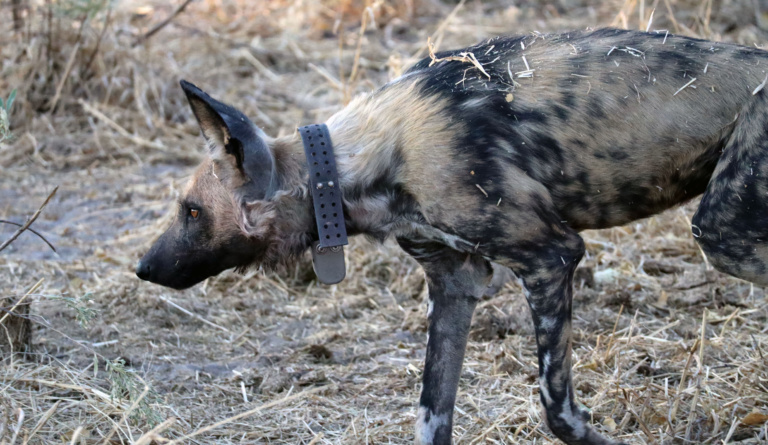
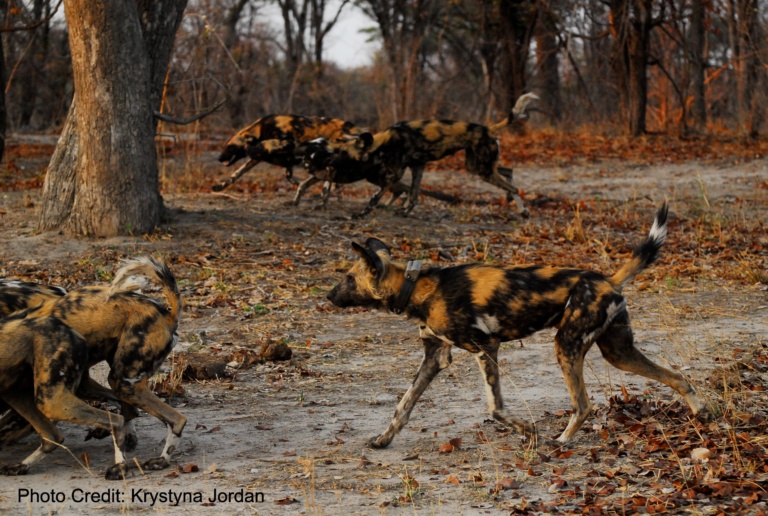
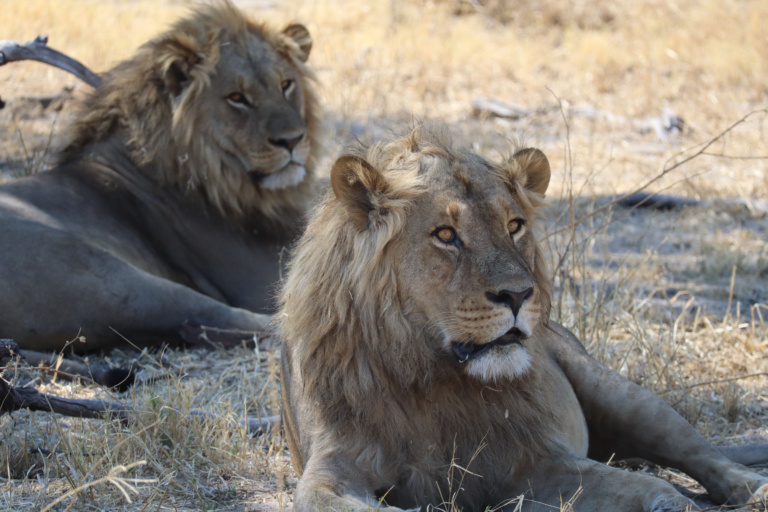
Increasing ambient temperatures trigger shifts in activity patterns and temporal partitioning in a large carnivore guild

Authors: Kasim Rafiq, Neil R. Jordan, Krystyna Golabek, John W. McNutt, Alan Wilsonand, Briana AbrahmsJournal: Proceedings of the Royal Society: Biological SciencesDOI: https://doi.org/10.1098/rspb.2023.1938 Shifts in species’ interactions are implicated as an important proximate cause underpinning climate-change-related extinction. However, there is little empirical evidence on the pathways through which climate conditions, such as ambient temperature, impact community dynamics… Photo credit: Krystyna

, , , , ,
Humpback whale breachingPublications

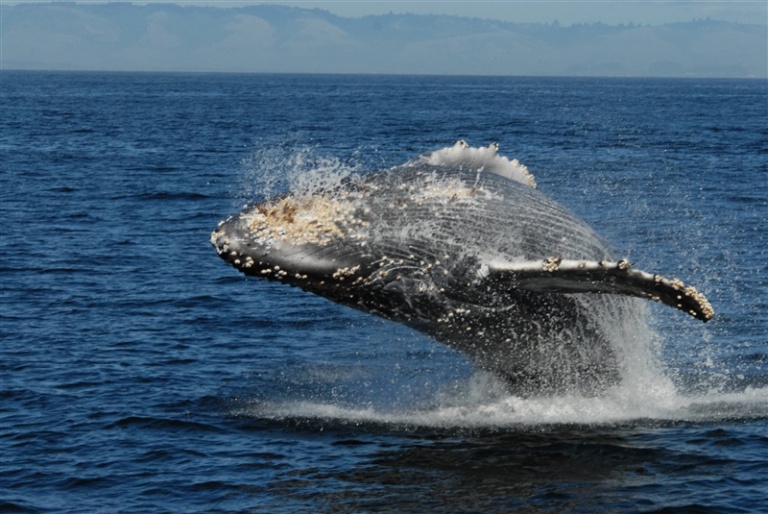
Humpback whale sightings in northern Arctic Alaska

Excerpt: “Here we bring together sighting data from aerial and shipboard surveys in the southern and central Chukchi Sea, as well as recent sightings of humpback whales near Utqiagvik, Alaska to document these observations more fully. Authors: Kathleen M. Stafford, John C. George, Qaiyaan Harcharek, Sue E. MooreJournal: Marine Mammal ScienceDOI: https://doi.org/10.1111/mms.13051 Photo credit: Dr. Mridula Srinivasan NOAA/NMFS/OST/AMD [Humpback whale breaching. ]

, ,
Publications

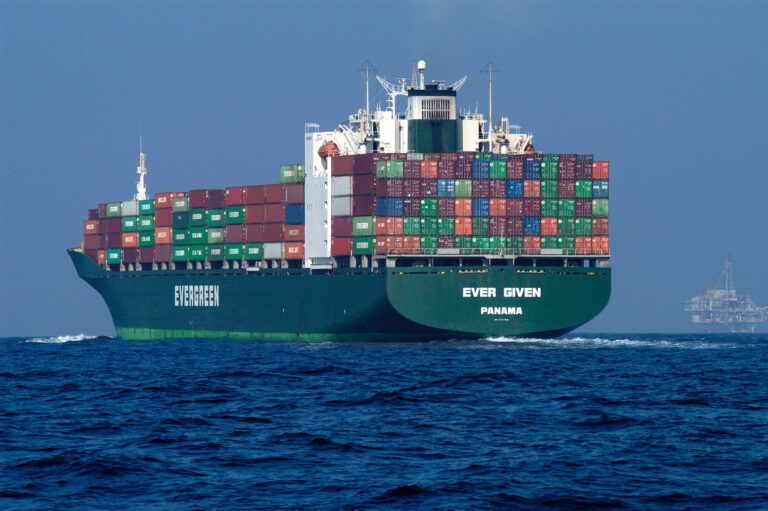
Changing course: Relocating commercial tanker lanes significantly reduces threat of chronic oiling for a top marine predator

Authors: Eric L. Wagner, Esteban Frere, P. Dee BoersmaJournal: Marine Pollution BulletinDOI: 10.1016/j.marpolbul.2023.11 Photo credit: National Ocean Service Image Gallery Summary Written by Sofia Denkovski Argentinian oil and effects on seabirds Surveys from 1982-1990 suggested more than 40,000 penguins died per year in Chubut and Santa Cruz from chronic oiling. This was hypothesized to be due to the colonies’ proximity

, ,
Publications

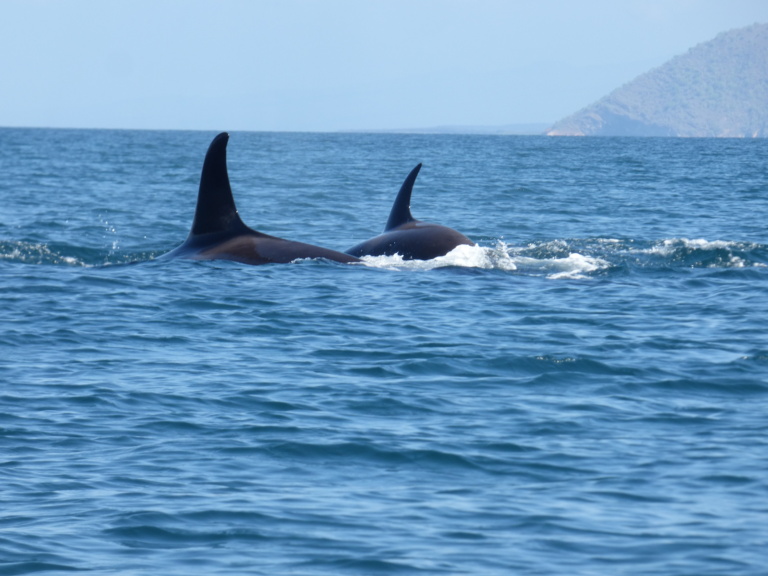
Divergent foraging strategies between populations of sympatric matrilineal killer whales

Authors: Jennifer B Tennessen, Marla M Holt, Brianna M Wright, M Bradley Hanson, Candice K Emmons, Deborah A Giles, Jeffrey T Hogan, Sheila J Thornton, Volker B DeeckeJournal: Behavioral EcologyDOI: 10.1093/beheco/arad002Coverage: The Seattle Times, Skagit Valley Herald, Seattle King 5 News, KUOW Public Radio, Oregon Public Broadcasting’s “Think Out Loud”, Victoria Times Colonist, North Shore News

, ,
A blue whale underwaterPublications

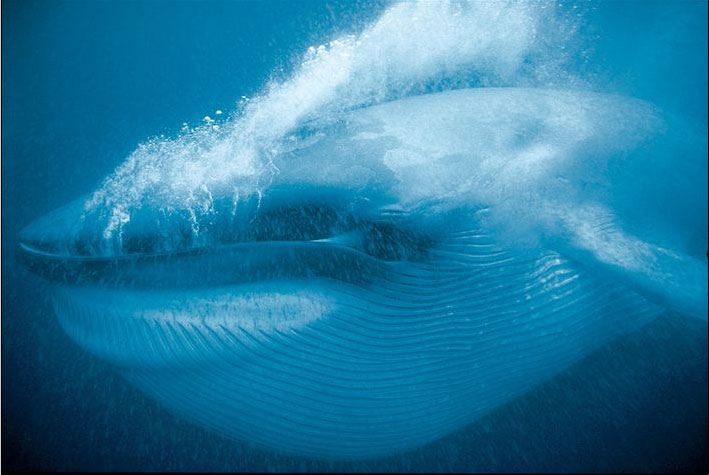
Climate change as a global amplifier of human–wildlife conflict

Climate change and human–wildlife conflict are major problems for both biodiversity conservation and people today. Climate change makes conflicts worse by reducing resources, changing where animals and people live, and increasing how often they run into each other. Scientists have found climate-related conflicts involving many kinds of animals across all continents and oceans. These conflicts can harm local livelihoods, large

, , , , ,
Publications

Habitat fragmentation reduces survival and drives source–sink dynamics for a large carnivore

Authors: Anna C. Nisi, John F. Benson, Richard King, Christopher C. WilmersJournal: Ecological ApplicationsDOI: 10.1002/eap.2822 Rigorous understanding of how environmental conditions impact population dynamics is essential for species conservation, especially in mixed-use landscapes where source–sink dynamics may be at play…

, ,
Publications

Mobility and flexibility enable resilience of human harvesters to environmental perturbation

Managing ecosystem services sustainably requires understanding both nature and how people respond to change. This study examined how fishers reacted to a major marine heatwave that affected the valuable Dungeness crab fishery on the U.S. West Coast. Using detailed tracking data from over 500 fishing vessels, researchers found that fishers adapted by traveling to new areas and by fishing for

,
Two right whalesPublications

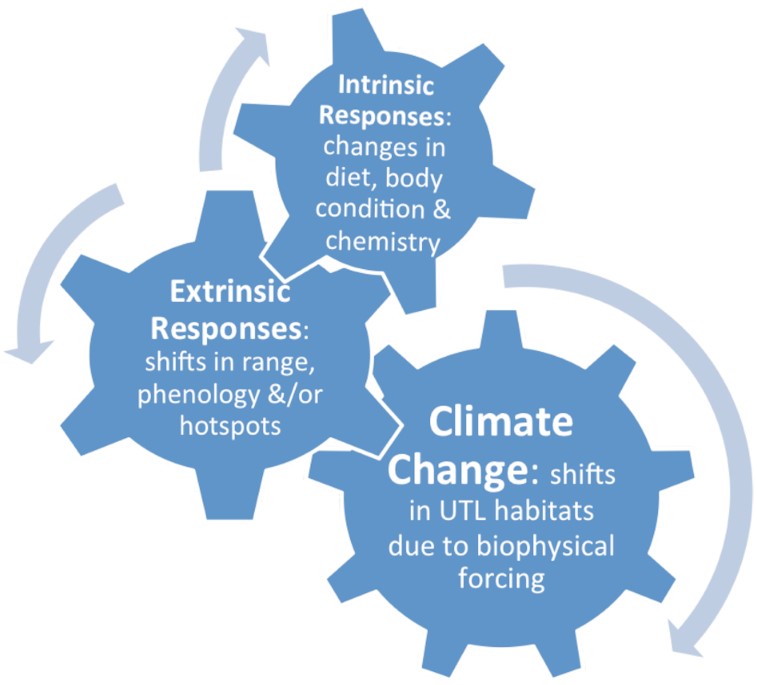
A review of climate change effects on marine mammals in US waters

Scientists have found clear evidence that climate change is affecting marine mammals in U.S. waters, although few studies show direct impacts on population size or survival rates. Many of these effects were expected, but some sudden and unexpected changes have also occurred. Climate change often has stronger impacts when combined with natural ecological relationships, like predator–prey interactions, or with human

, , , ,
Publications

Climate presses and pulses mediate the decline of a migratory predator

Long-term climate trends and short-term extreme events can affect animals in different ways, but scientists do not always know how these effects work together. This study used a “press–pulse” framework to separate the impacts of ongoing climate change from sudden extreme events on Magellanic penguins. Researchers analyzed 38 years of data from 53,959 penguins and found that long-term changes and

, , , ,
Scroll to Top