CES Updates

Filter posts by category

Field Updates: Botswana, summer 2024

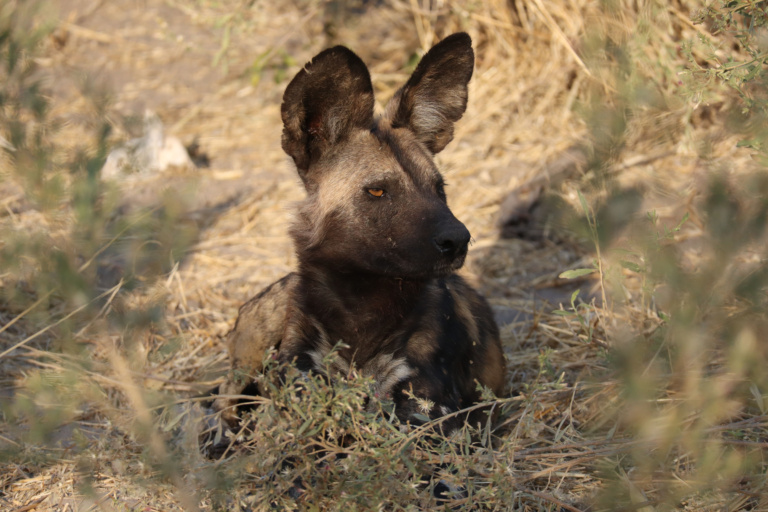
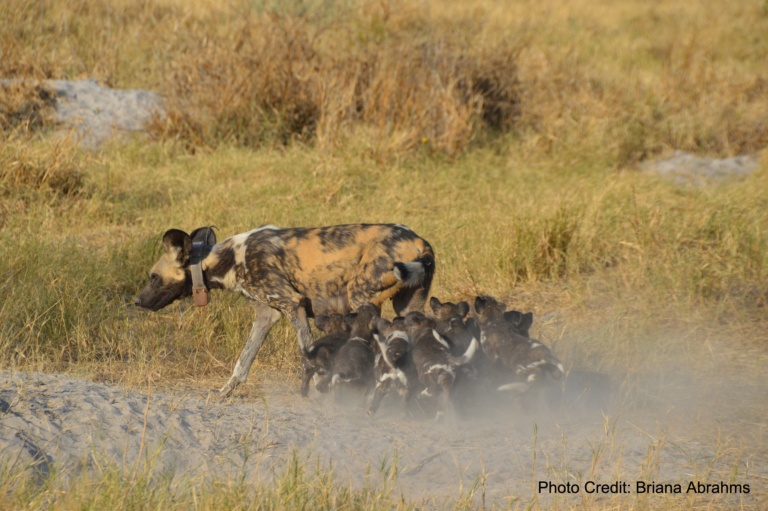
Written by Dr. Kasim Rafiq In June 2024, postdoctoral researcher Dr. Kasim Rafiq and PhD candidate Leigh West from Dr. Briana Abrahms‘ lab returned to Wild Dog Camp in the Okavango Delta and were joined by Briana’s new PhD student Marie-Pier Poulin. The team successfully deployed six new tracking collars on African wild dogs, including in two brand new packs, […]

Grad student Leigh West published first article as lead author

Congratulations to Leigh West, Dr. Abrahms’s graduate student, who just recently published her first article as lead author. Her research article, “Droughts reshape apex predator space use and intraguild overlap,” was published in the Journal of Animal Ecology on October 4th, and also serves as the second chapter of her dissertation. This is an exciting milestone for Leigh as she

Field Updates: Galápagos Islands, summer 2024

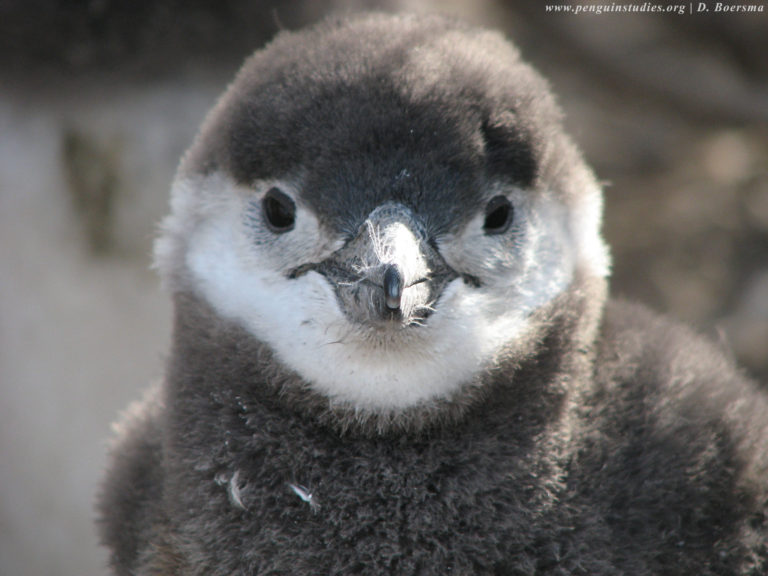
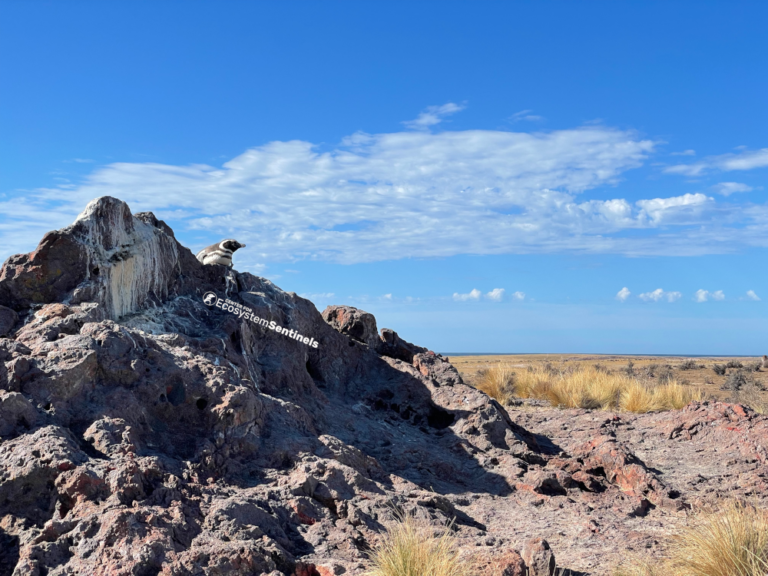
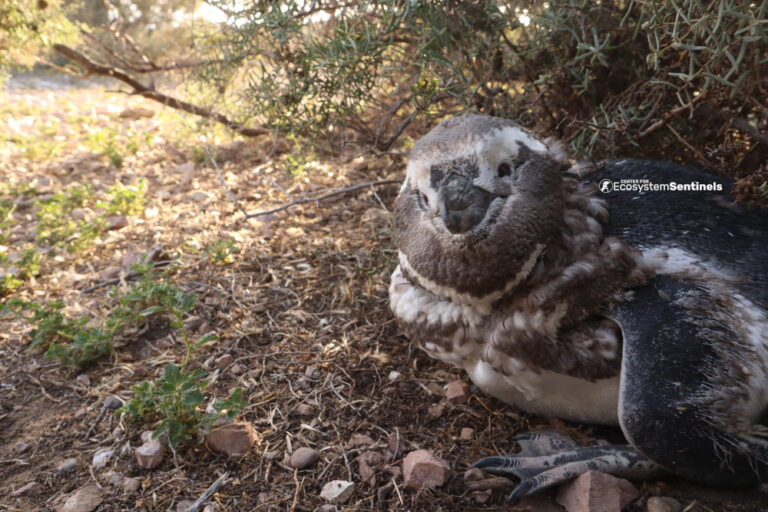
In July 2024, Dr. Dee Boersma and Dr. Caroline Cappello traveled to the Galápagos Islands for a penguin expedition unlike any they’d experienced before. Since 2010, CES has collaborated with Galápagos National Park and conservationist Godfrey Merlen to visit penguin breeding areas and conduct research. After Godfrey’s passing in 2023, CES—with heavy hearts but optimism for the future—sought a new

Droughts reshape apex predator space use and intraguild overlap

From the Abstract:Droughts are increasing in frequency and severity globally due to climate change, leading to changes in resource availability that may have cascading effects on animal ecology. Although several studies have demonstrated the ecological impacts of drought, the behavioural responses of individuals that scale up to these broader-scale effects are not well known, particularly among animals in top trophic

Males miss and females forgo

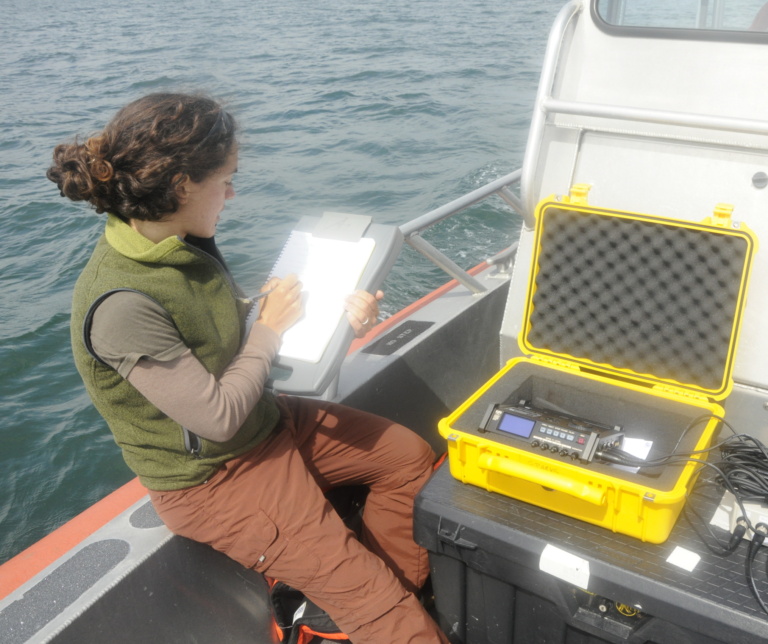
Summary adapted from social media post by Anna Testorf: One of our recent studies illustrates how noise from large ships and other vessels decreases overall foraging success of fish-eating killer whales through a process known as auditory masking. Knowing how vessel noise affects killer whales can inform actions to mitigate noise and promote health and survival of these vulnerable populations

Anthropogenic impacts at the interface of animal spatial and social behaviour

From the abstract: “Here, we review studies of animal behaviour at the spatial–social interface to understand and predict how human disturbance affects animal movement, distribution and intraspecific interactions, with consequences for the conservation of populations and ecosystems. By understanding the spatial–social mechanisms linking human disturbance to conservation outcomes, we can better design management interventions to mitigate undesired consequences of disturbance.”

Scale at the interface of spatial and social ecology

From the abstract: “We propose three key innovations that incrementally build upon each other […] These conceptual innovations cast our understanding of the relationships between social and spatial dimensions of animal ecology in a new light, allowing a more holistic understanding and clearer hypothesis development for animal behaviour.” Authors: Simona Picardi, Briana L. Abrahms and Jerod A. MerkleJournal: Philosophical Transactions

Research updates: fall 2024

We’ve been publishing a lot these days! Here’s a digest of what we’ve published from September 2024 – November 2024: Keep up with all of our research following us on Instagram, Facebook, or X/Twitter!

World African Wild Dog Day

Happy World African Wild Dog Day! While most people know the Center for Ecosystem Sentinels for our work on penguins, we also research African Wild Dogs. In fact, Dr. Kasim Rafiq and graduate students Leigh West and Marie-Pier Poulin are just returning from Botswana right now! As usual, they worked alongside our collaborators from Botswana Predator Conservation over the summer.

Global expansion of human-wildlife overlap in the 21st century

“We show that the potential spatial overlap of global human populations and 22,374 terrestrial vertebrate species will increase across ~56.6% and decrease across only ~11.8% of the Earth’s terrestrial surface by 2070 […] The strong spatial heterogeneity of future human-wildlife overlap found in our study makes it clear that local context is imperative to consider, and more targeted area-based land-use

Increasing environmental variability inhibits evolutionary rescue in a long-lived vertebrate

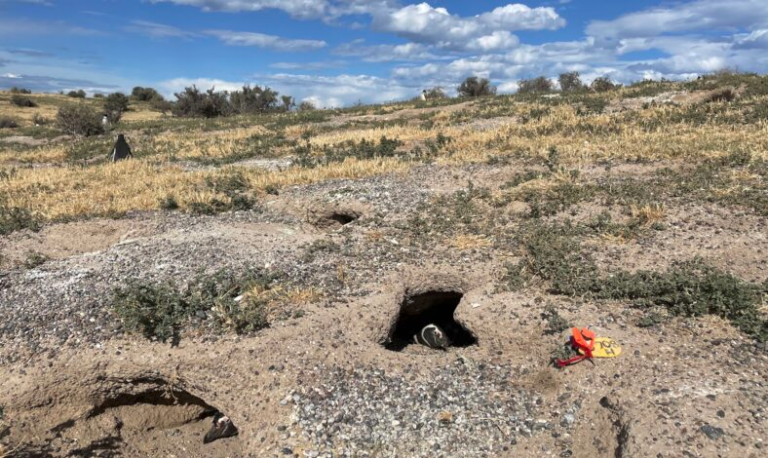
“Using a multidecadal dataset on Magellanic penguins, we show that despite strong selection on body size, some environmental conditions favored larger bodies, and others favored smaller bodies, thus preventing consistent evolution in one direction or the other […] Such findings highlight that fluctuating selection can be driven by environmental variability, and these processes could eliminate the possibility of evolutionary rescue

PENGUINS: Natural History and Conservation

Published over 10 years ago, Penguins: Natural History and Conservation is still considered the publication about penguins. UW PressBookshop.comAmazon.com Penguins, among the most delightful creatures in the world, are also among the most vulnerable. The fragile status of most penguin populations today mirrors the troubled condition of the southern oceans, as well as larger marine conservation problems: climate change, pollution,

World Seabird Day 2024

As you might’ve guessed – we like our seabirds here. Check out all the ways we celebrate World Seabird Day 2024 at the Center for Ecosystem Sentinels: Student YouTube Videos We bring to you a new video: Taken from the Skies, by Samanth-Lynn Martinez. This video does not mince words about the damage we are doing to our seabird populations.

Long-distance communication can enable collective migration in a dynamic seascape

“Social information is predicted to enhance the quality of animals’ migratory decisions in dynamic ecosystems, but the relative benefits of social information in the long-range movements of marine megafauna are unknown. In particular, whether and how migrants use nonlocal information gained through social communication at the large spatial scale of oceanic ecosystems remains unclear. […]” Authors: Stephanie Dodson, William K.

Spatial match-mismatch between predators and prey under climate change

Authors: Gemma Carroll, Briana Abrahms, Stephanie Brodie & Megan A. Cimino Journal: Nature Ecology and Evolution DOI: https://doi.org/10.1038/s41559-024-02454-0 “Climate change is driving a rapid redistribution of life on Earth. Variability in the rates, magnitudes and directions of species’ shifts can alter spatial overlap between predators and prey, with the potential to decouple trophic interactions. Although phenological mismatches between predator requirements

Scroll to Top