CES Updates

Filter posts by category

Boersma Lab

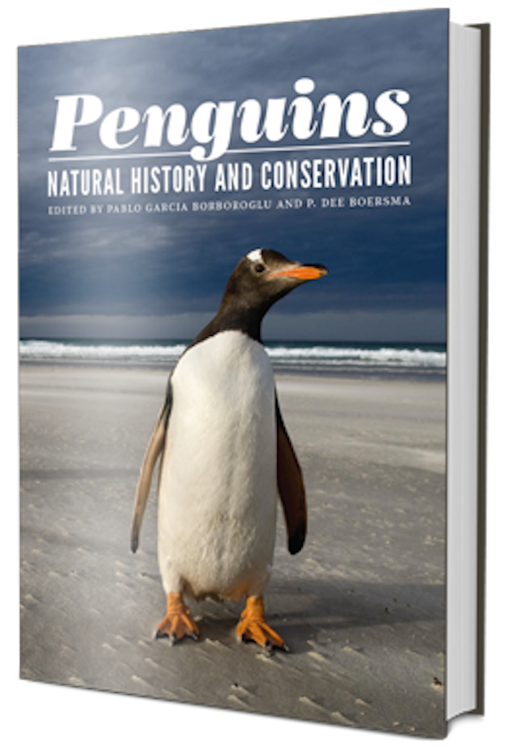
PENGUINS: Natural History and Conservation

Published over 10 years ago, Penguins: Natural History and Conservation is still considered the publication about penguins. UW PressBookshop.comAmazon.com Penguins, among the most delightful creatures in the world, are also among the most vulnerable. The fragile status of most penguin populations today mirrors the troubled condition of the southern oceans, as well as larger marine conservation problems: climate change, pollution, […]

, , ,
News

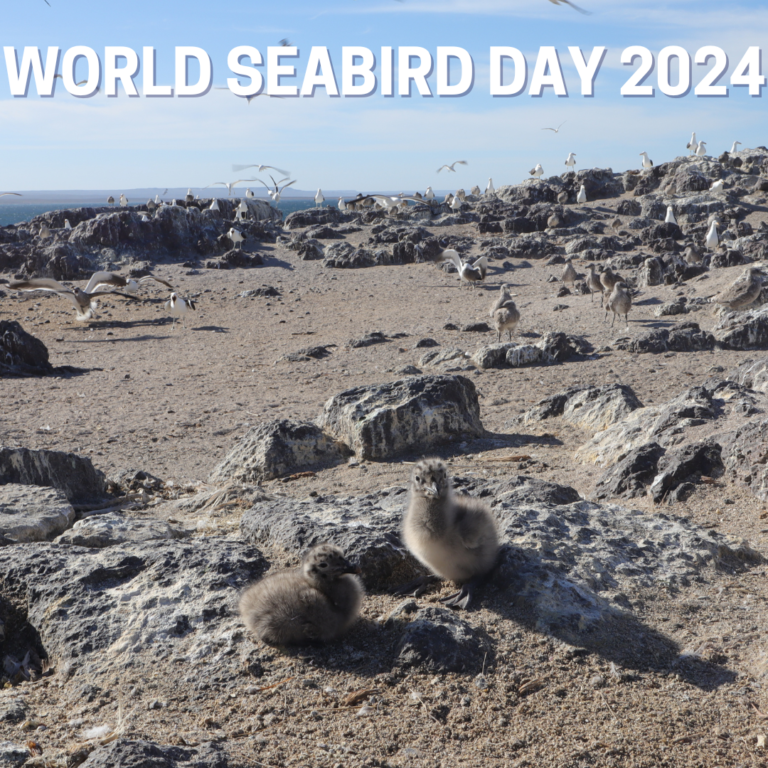
World Seabird Day 2024

As you might’ve guessed – we like our seabirds here. Check out all the ways we celebrate World Seabird Day 2024 at the Center for Ecosystem Sentinels: Student YouTube Videos We bring to you a new video: Taken from the Skies, by Samanth-Lynn Martinez. This video does not mince words about the damage we are doing to our seabird populations.

,
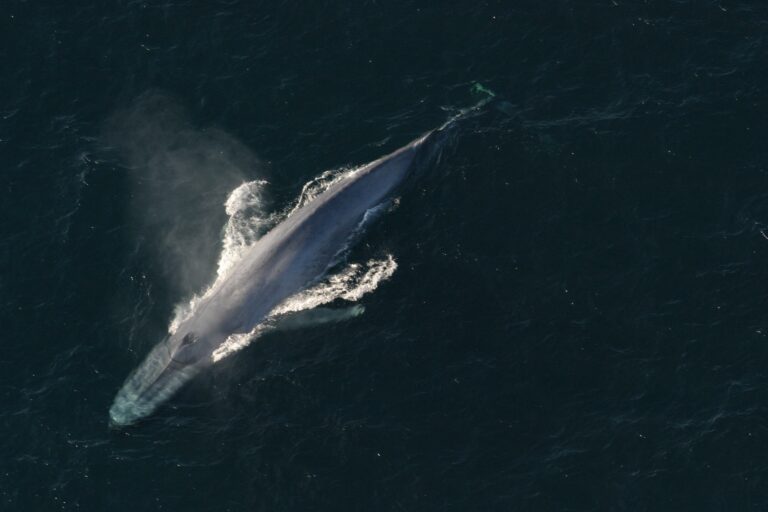
A photo of a blue whale surfacing in the open ocean, taken from above.Publications

Long-distance communication can enable collective migration in a dynamic seascape

“Social information is predicted to enhance the quality of animals’ migratory decisions in dynamic ecosystems, but the relative benefits of social information in the long-range movements of marine megafauna are unknown. In particular, whether and how migrants use nonlocal information gained through social communication at the large spatial scale of oceanic ecosystems remains unclear. […]” Authors: Stephanie Dodson, William K.

, ,
Publications

Spatial match-mismatch between predators and prey under climate change

Authors: Gemma Carroll, Briana Abrahms, Stephanie Brodie & Megan A. Cimino Journal: Nature Ecology and Evolution DOI: https://doi.org/10.1038/s41559-024-02454-0 “Climate change is driving a rapid redistribution of life on Earth. Variability in the rates, magnitudes and directions of species’ shifts can alter spatial overlap between predators and prey, with the potential to decouple trophic interactions. Although phenological mismatches between predator requirements

, ,
Publications

Ecosystem Sentinels as Early-Warning Indicators in the Anthropocene

Authors: Elliott L. Hazen, Matthew S. Savoca T.J. Clark-Wolf, Max Czapanskiy, Peter M. Rabinowitz, and Briana AbrahmsJournal: Annual Review of Environment and ResourcesDOI: https://doi.org/10.1146/annurev-environ-111522-102317 “Sentinel species, from birds to invertebrates, have been used to provide insights into ecosystem function, as leading indicators of risk to human health and as harbingers of future change, with implications for ecosystem structure and function.

, , , , , ,
News

World Ocean Day 2024

Don’t know how to celebrate World Ocean Day this year? We have a few ideas: This year’s World Ocean Day theme this year is “One Ocean. One Climate. One Future.” One of Dee’s BIOL 305 students, Giovanna Esquivel, created this powerful PSA reminding us how our actions impact our world. Whether you’ve never been to the ocean or you go

, , ,
Abrahms Lab, News

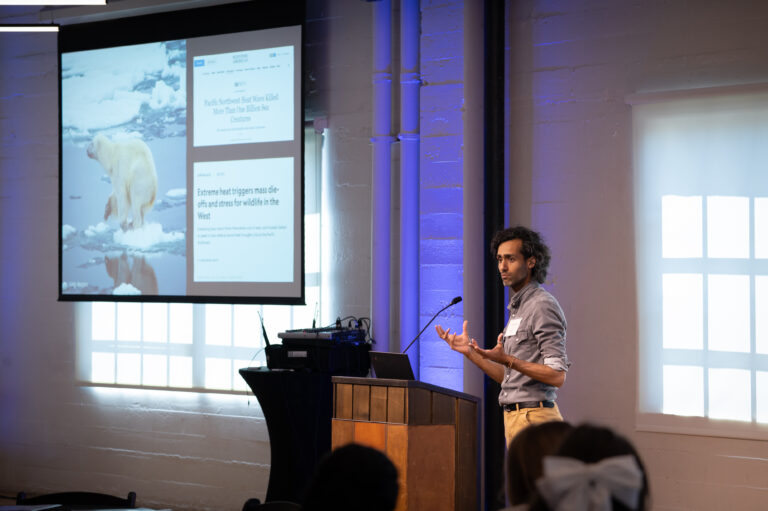
WRF Symposium

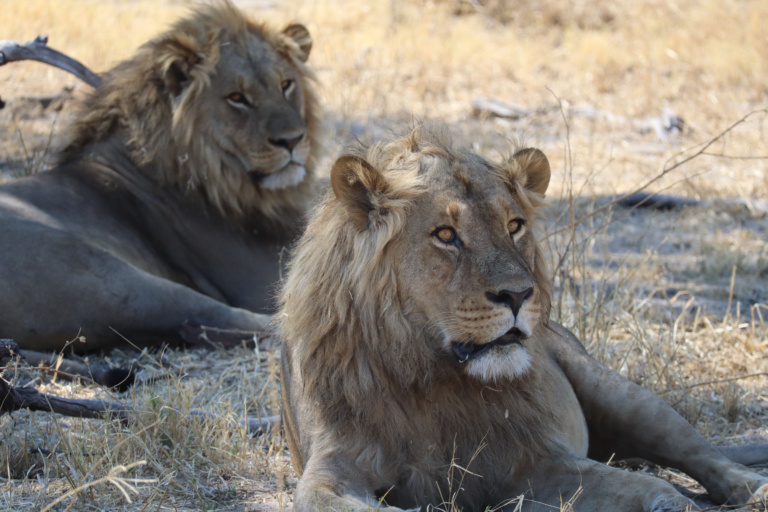
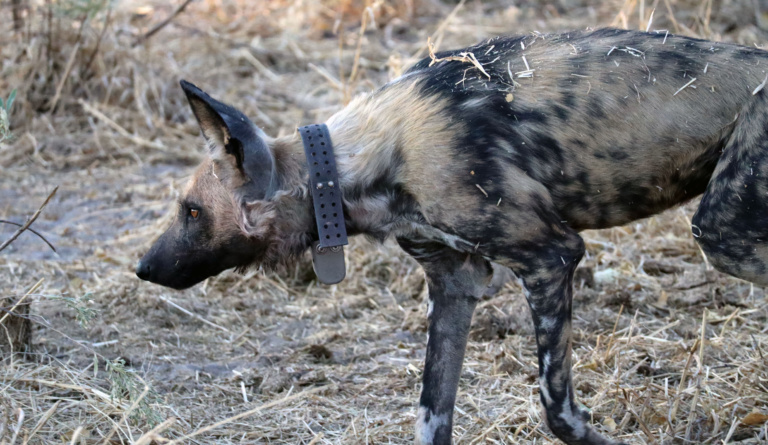
Dr. Kasim Rafiq recently presented his work on using animal-worn sensors to understand the impacts of environmental change on African wild dogs and lions at the Washington Research Foundation Symposium, who fund his position at the university. As part of this work, over the past two years, Kasim, Leigh West, and Dr. Briana Abrahms developed and deployed fitness trackers for

, , ,
Boersma Lab, Updates from the Field

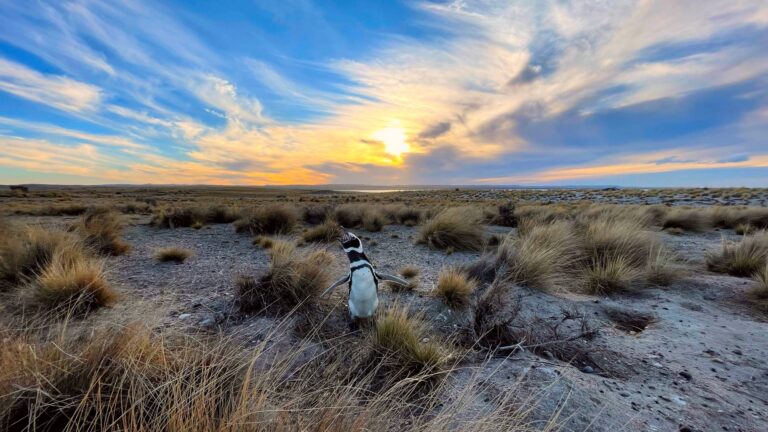
Field updates: Argentina, April 2024

Thanks to the generous support of Zoo Augsburg in Germany, Dr. Eric Wagner and Katie Holt were able to return to Punta Tombo for a couple of weeks in April. There, they put twenty satellite tags on penguins—ten females and ten males—that were about to start their post-breeding migration. As of today 18 satellite tags are still transmitting to our

, , ,
Abrahms Lab, News

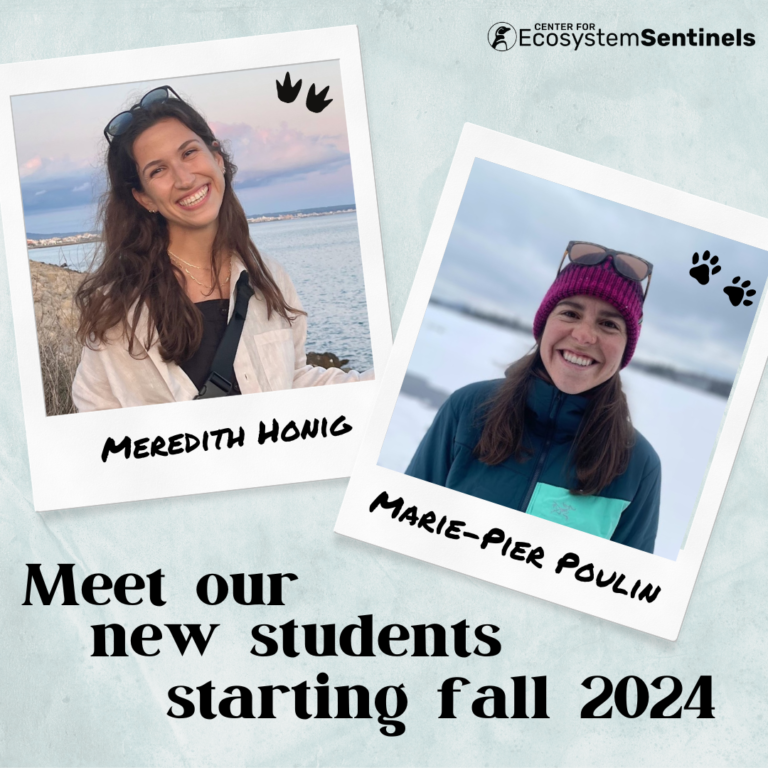
Welcome Marie-Pier and Meredith!

The Abrahms Lab is growing! This fall we will have two new grad students join us in the Center: Meredith HonigPenguin Camp Meredith is interested in how species interactions shape ecological communities and wildlife population dynamics, especially in the implications of global climate change on these processes. She received a BS in Wildlife and Conservation Biology from the University of

, , ,
Publications

The value of field research in academia

Authors: Kasim Rafiq, Neil R. Jordan, J. Weldon McNutt, John Neelo, Nina Attias, Dee Boersma, Meredith S. Palmer, Jennifer Ruesink, and Briana AbrahmsJournal: ScienceDOI: https://www.science.org/doi/10.1126/science.ado6937 “By refining the academic system to recognize and support different forms of scientific inquiry equally, we can build the diverse research community necessary to empower discovery across disciplines.”

, , ,
Boersma Lab, News

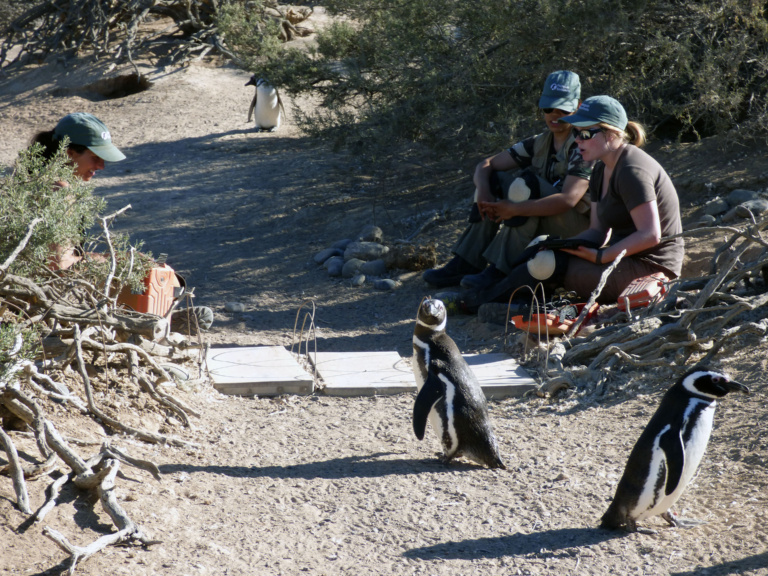
Testing Technology with the Woodland Park Zoo

Since 2015, we have deployed automatic weighbridges to track the foraging success of Magellanic penguins at one of their largest breeding colonies – Punta Tombo, Argentina. These weighbridges weigh penguins noninvasively as they leave the nesting area to forage and when they return to feed their chicks. This helps us track whether these penguins are finding enough food for themselves

, , , ,
Boersma Lab, Updates from the Field

Field Updates: Tombo Jan-Feb 2024

We continued our Punta Tombo field season this winter with graduate student Erik Johansson, former undergrad lab member Chloe Rabinowitz, and program coordinator Kalyna Durbak staying on site from January 12 through February 21. Our goal for this trip was to attach GTA* and GPS tags on adult penguins who were actively feeding chicks in order to log their foraging

, , , ,
Publications

The capacity of sentinel species to detect changes

Full title: The capacity of sentinel species to detect changes in environmental conditions and ecosystem structureAuthors: T. J. Clark-Wolf, Katie A. Holt, Erik Johansson, Anna C. Nisi, Kasim Rafiq, Leigh West, P. Dee Boersma, Elliott L. Hazen, Sue E. Moore, Briana AbrahmsJournal: Journal of Applied EcologyDOI: 10.1111/1365-2664.14669 “A major obstacle to preventing and reversing biodiversity loss in the Anthropocene lies in the scarcity of tools and data for monitoring

, , , , , , , , ,
Publications

A fearful scourge to the penguin colonies

Full title: A fearful scourge to the penguin colonies: Southern giant petrel (Macronectes giganteus) predation on living Magellanic penguins (Spheniscus magellanicus) may be more common than assumedAuthors: Dr. Eric Wagner, Dr. Ginger Rebstock and Dr. P Dee BoersmaJournal: Marine Ecology Press SeriesDOI: 10.1002/ece3.11258 Excerpt from abstract: Southern giant petrels (Macronectes giganteus) are important consumers that range across the oceans throughout

, , , ,
Publications

Hunting mode and habitat selection mediate the success of human hunters

Authors: Kaitlyn M. Gaynor, Alex McInturff, Briana L. Abrahms, Alison M. Smith & Justin S. BrasharesJournal: Movement EcologyDOI: https://doi.org/10.1186/s40462-024-00471-z Abstract Excerpt: “Our study indicates that hunters can successfully employ a diversity of harvest strategies, and that hunting success is mediated by the interacting effects of hunting mode and landscape features. Such results highlight the breadth of human hunting modes, even

, ,
Scroll to Top