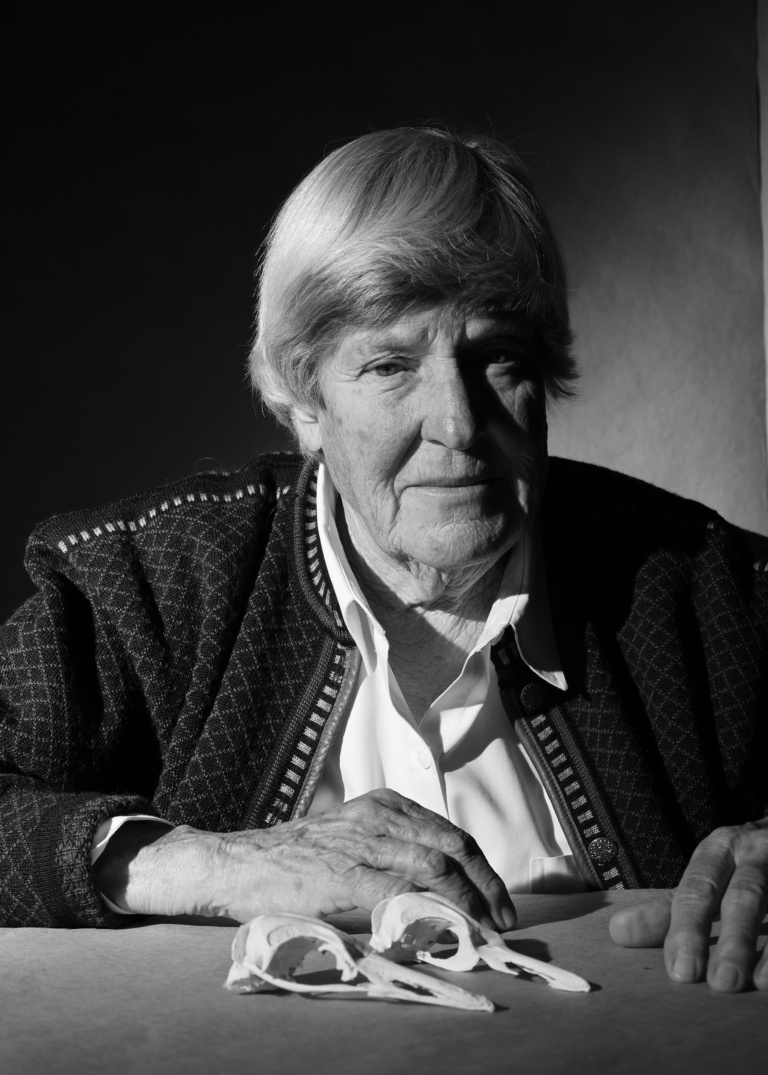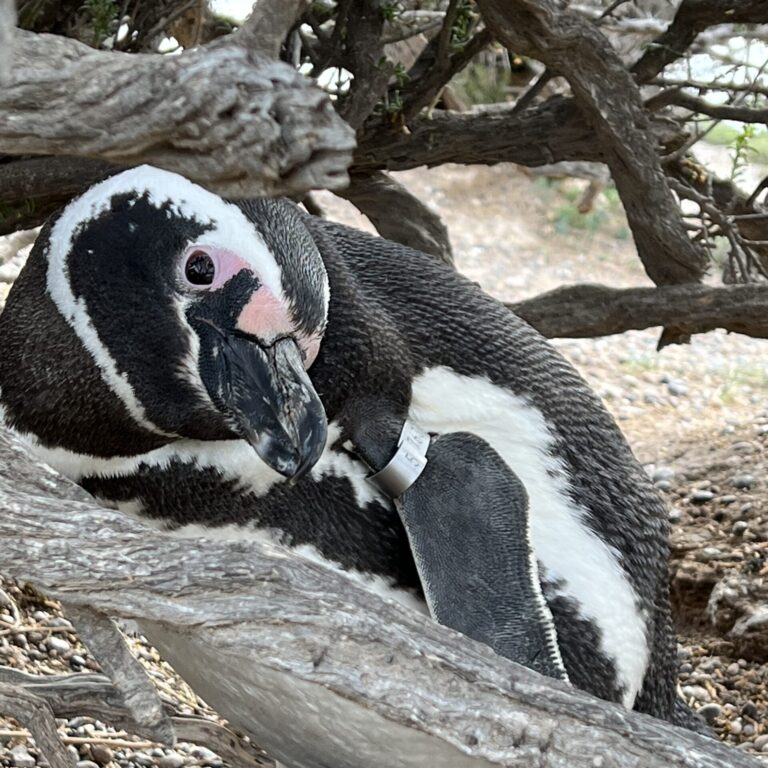
Dr. Dee Boersma

Publications

The value of field research in academia

Authors: Kasim Rafiq, Neil R. Jordan, J. Weldon McNutt, John Neelo, Nina Attias, Dee Boersma, Meredith S. Palmer, Jennifer Ruesink, and Briana AbrahmsJournal: ScienceDOI: https://www.science.org/doi/10.1126/science.ado6937 “By refining the academic system to recognize and support different forms of scientific inquiry equally, we can build the diverse research community necessary to empower discovery across disciplines.”

, , ,
Publications

The capacity of sentinel species to detect changes

Full title: The capacity of sentinel species to detect changes in environmental conditions and ecosystem structureAuthors: T. J. Clark-Wolf, Katie A. Holt, Erik Johansson, Anna C. Nisi, Kasim Rafiq, Leigh West, P. Dee Boersma, Elliott L. Hazen, Sue E. Moore, Briana AbrahmsJournal: Journal of Applied EcologyDOI: 10.1111/1365-2664.14669 “A major obstacle to preventing and reversing biodiversity loss in the Anthropocene lies in the scarcity of tools and data for monitoring

, , , , , , , , ,
Publications

A fearful scourge to the penguin colonies

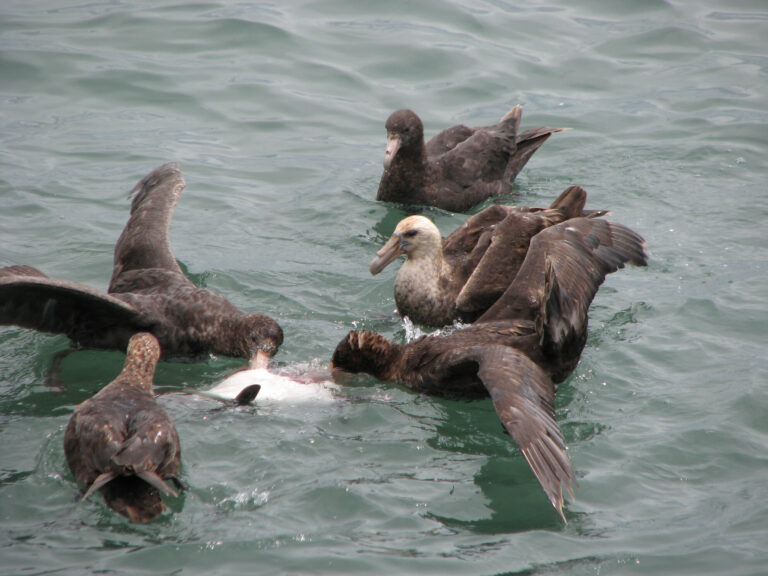
Full title: A fearful scourge to the penguin colonies: Southern giant petrel (Macronectes giganteus) predation on living Magellanic penguins (Spheniscus magellanicus) may be more common than assumedAuthors: Dr. Eric Wagner, Dr. Ginger Rebstock and Dr. P Dee BoersmaJournal: Marine Ecology Press SeriesDOI: 10.1002/ece3.11258 Excerpt from abstract: Southern giant petrels (Macronectes giganteus) are important consumers that range across the oceans throughout

, , , ,
Abrahms Lab, Boersma Lab, News

Center paper finalist for Cozzarelli Prize

The paper “Climate presses and pulses mediate the decline of a migratory predator”,” published last year ” is the finalist for the Cozzarelli Prize in the category Class VI: Applied Biological, Agricultural, and Environmental Sciences. Congrats to former Abrahms Lab postdoc Dr.T. J. Clark-Wolf, Dr. Dee Boersma, Dr. Ginger A. Rebstock, and Dr. Briana Abrahms! Read the full press release

, , , ,
Boersma Lab, News

Dr. Dee Boersma awarded Godman Salvin Prize

Dr. Dee Boersma received the British Ornithological Union’s Godman Salvin Prize on February 23, 2024, during the Pacific Seabird Group’s annual conference banquet. The Godman Salvin Prize is awarded by BOU Council to honor an individual’s distinguished ornithological work. Recent Godman Salvin Prize recipients include Professor Cao Lei (2023), Professor Nick Davies (2022) and Professor Theunis Piersma (2020). The Committee

,
Publications

Sex-specific migratory behavior in a marine predator results in higher risks to females

Protecting migratory animals is challenging because males and females can travel to different places at different times of the year. In this study, Dr. Ginger Rebstock and Dr. Dee Boersma tracked male and female Magellanic penguins during their migration and found that females stayed closer to shore and slightly farther north than males. Both sexes reached similar overall latitudes, but

, , , ,
Boersma Lab, Updates from the Field

Field updates: Argentina, September 2023

Written by Dr. Dee Boersma The ongoing pinniped (seals and walruses) die-off on Peninsula Valdés is catastrophic. Our contacts in Argentina–two local veterinarians (Marci Uhart and Ralph Vanstreels), and Claudia Campagna of WCS–tell us that hundreds and potentially thousands of sea lions and elephant seals have died. Avian flu (more widely known as bird flu) has devastated seabird populations throughout

, , ,
Publications

Changing course: Relocating commercial tanker lanes significantly reduces threat of chronic oiling for a top marine predator

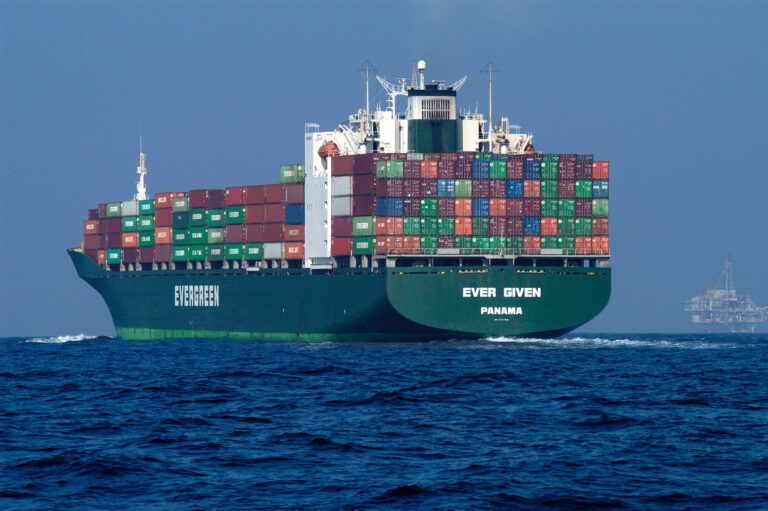
Authors: Eric L. Wagner, Esteban Frere, P. Dee BoersmaJournal: Marine Pollution BulletinDOI: 10.1016/j.marpolbul.2023.11 Photo credit: National Ocean Service Image Gallery Summary Written by Sofia Denkovski Argentinian oil and effects on seabirds Surveys from 1982-1990 suggested more than 40,000 penguins died per year in Chubut and Santa Cruz from chronic oiling. This was hypothesized to be due to the colonies’ proximity

, ,
Abrahms Lab, Boersma Lab, Updates from the Field

Field updates: Argentina, Winter 2023

In January and February of 2023 Dr. Dee Boersma, along with PhD students Katie Holt (Boersma Lab) and Erik Johansson (Abrahms Lab), spent six weeks in Punta Tombo to set up the remote scales that weigh penguins on their way in and out of the breeding area, and followed 19 penguins using GPS tags. The three of them were also able

, , , ,
Publications

Climate presses and pulses mediate the decline of a migratory predator

Long-term climate trends and short-term extreme events can affect animals in different ways, but scientists do not always know how these effects work together. This study used a “press–pulse” framework to separate the impacts of ongoing climate change from sudden extreme events on Magellanic penguins. Researchers analyzed 38 years of data from 53,959 penguins and found that long-term changes and

, , , ,
Publications

Should I stay or should I go: factors influencing mate retention and divorce in a colonial seabird

Authors: Eric L. Wagner, Caroline D. Cappello, P. Dee BoersmaJournal: Animal BehaviourDOI: 10.1016/j.anbehav.2022.08.002 Divorce among serially monogamous birds can lead to increased reproductive success if an individual obtains a higher-quality mate or nest site, or it can lead to lower reproductive success due to lack of pair experience or reduced breeding opportunities…

, , ,
Making a perfect penguin_origPublications

Site fidelity increases reproductive success by increasing foraging efficiency

Full Title: Site fidelity increases reproductive success by increasing foraging efficiency in a marine predator Authors: Ginger A Rebstock, Briana Abrams, P. Dee BoersmaJournal: Behavioral EcologyDOI: 10.1093/beheco/arac052 Seabirds must find food efficiently in the dynamic ocean environment to succeed at raising chicks. In theory, site familiarity, gained by prior experience in a place, should increase foraging efficiency when prey is

, ,
Scroll to Top