CES Updates

Filter posts by category

Publications

Habitat fragmentation reduces survival and drives source–sink dynamics for a large carnivore

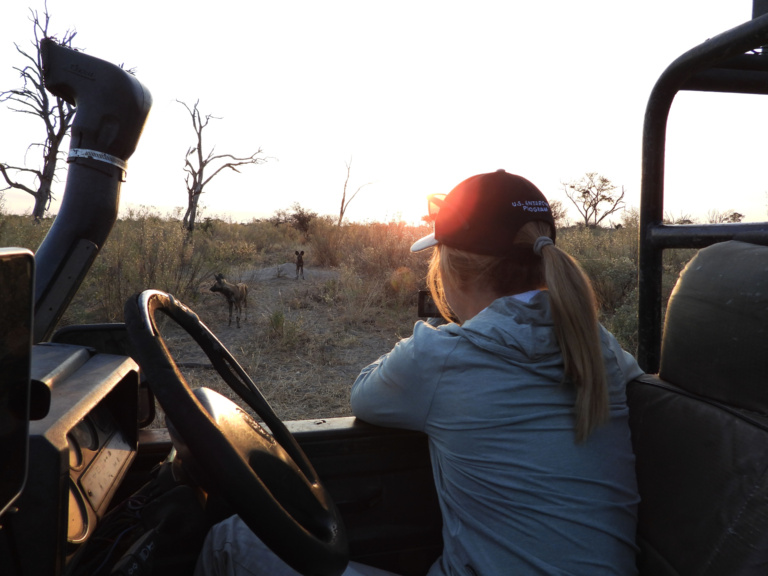
Authors: Anna C. Nisi, John F. Benson, Richard King, Christopher C. WilmersJournal: Ecological ApplicationsDOI: 10.1002/eap.2822 Rigorous understanding of how environmental conditions impact population dynamics is essential for species conservation, especially in mixed-use landscapes where source–sink dynamics may be at play…

, ,
SueM_biopicBoersma Lab, News

Sue Moore confirmed for Commissioner by the US Senate

Congratulations to Dr. Sue Moore on joining the U.S. Marine Mammal Commission! The U.S. Senate confirmed Dr. Sue Moore, President Biden’s nominee for Commissioner of the Marine Mammal Commission, on December 22nd, 2022. Sue was sworn in by Commission Chair, Dr. Frances Gulland, on January 5th, 2023.

Publications

Mobility and flexibility enable resilience of human harvesters to environmental perturbation

Managing ecosystem services sustainably requires understanding both nature and how people respond to change. This study examined how fishers reacted to a major marine heatwave that affected the valuable Dungeness crab fishery on the U.S. West Coast. Using detailed tracking data from over 500 fishing vessels, researchers found that fishers adapted by traveling to new areas and by fishing for

,
Two right whalesPublications

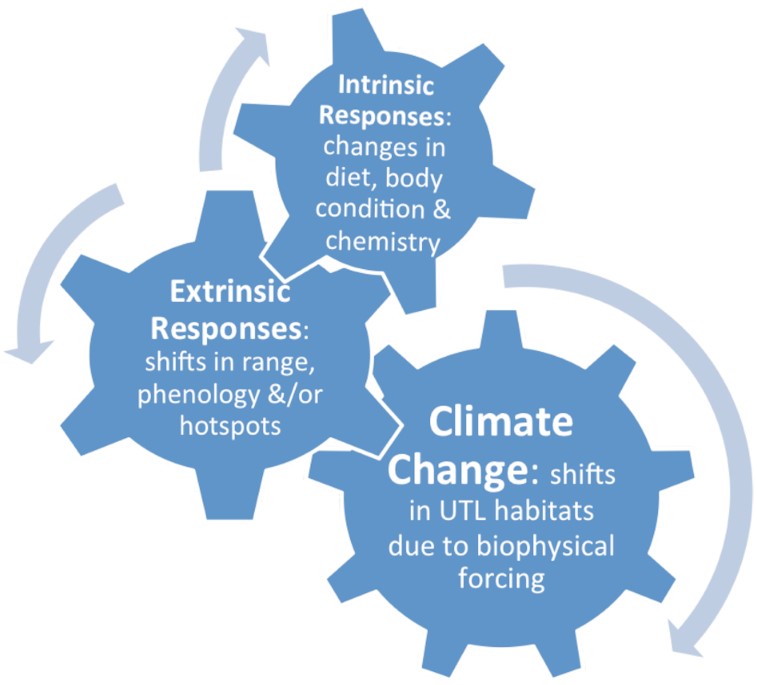
A review of climate change effects on marine mammals in US waters

Scientists have found clear evidence that climate change is affecting marine mammals in U.S. waters, although few studies show direct impacts on population size or survival rates. Many of these effects were expected, but some sudden and unexpected changes have also occurred. Climate change often has stronger impacts when combined with natural ecological relationships, like predator–prey interactions, or with human

, , , ,
Publications

Climate presses and pulses mediate the decline of a migratory predator

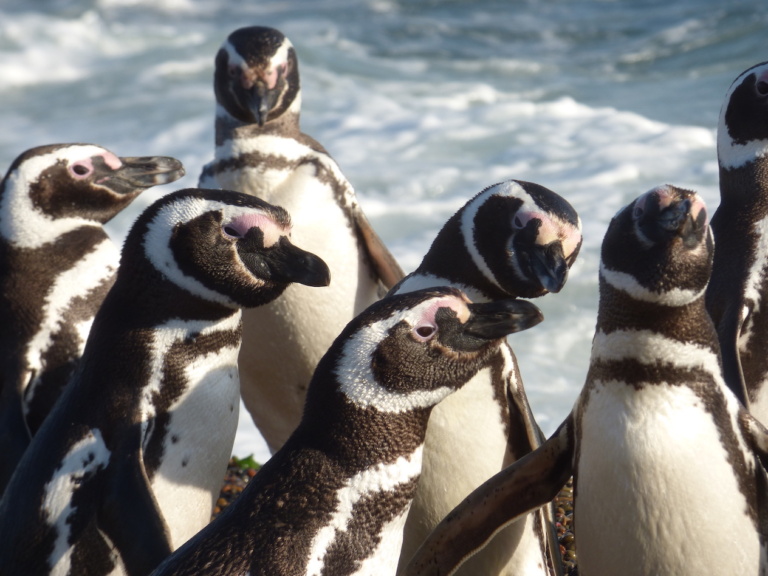
Long-term climate trends and short-term extreme events can affect animals in different ways, but scientists do not always know how these effects work together. This study used a “press–pulse” framework to separate the impacts of ongoing climate change from sudden extreme events on Magellanic penguins. Researchers analyzed 38 years of data from 53,959 penguins and found that long-term changes and

, , , ,
Publications

Should I stay or should I go: factors influencing mate retention and divorce in a colonial seabird

Authors: Eric L. Wagner, Caroline D. Cappello, P. Dee BoersmaJournal: Animal BehaviourDOI: 10.1016/j.anbehav.2022.08.002 Divorce among serially monogamous birds can lead to increased reproductive success if an individual obtains a higher-quality mate or nest site, or it can lead to lower reproductive success due to lack of pair experience or reduced breeding opportunities…

, , ,
A blue whale underwaterPublications

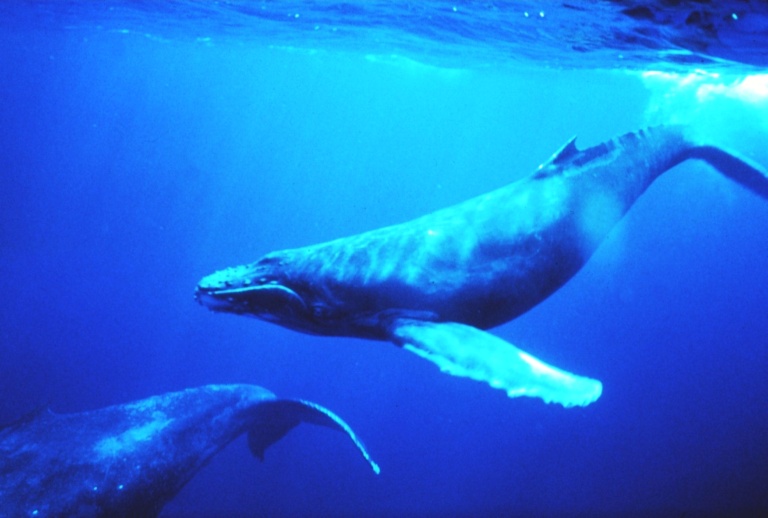
Blue whales increase feeding rates at fine-scale ocean features

Marine predators like blue whales must find prey that is unevenly spread across the ocean, which makes feeding challenging. Scientists know animals make movement choices at different scales, but it is unclear how these choices affect how well they feed. This study combined satellite data with detailed tracking data from blue whales to see how small-scale ocean features affect where

, , ,
Publications

Long-term, climate-driven phenological shift in a tropical large carnivore

Authors: Briana Abrahms, Kasim Rafiq, Neil R. Jordan, and J. W. McNuttJournal: Proceedings of the National Academy of SciencesDOI:10.1073/pnas.2121667119 Understanding the degree to which animals are shifting their phenology to track optimal conditions as the climate changes is essential to predicting ecological responses to global change…

, , ,
Making a perfect penguin_origPublications

Site fidelity increases reproductive success by increasing foraging efficiency

Full Title: Site fidelity increases reproductive success by increasing foraging efficiency in a marine predator Authors: Ginger A Rebstock, Briana Abrams, P. Dee BoersmaJournal: Behavioral EcologyDOI: 10.1093/beheco/arac052 Seabirds must find food efficiently in the dynamic ocean environment to succeed at raising chicks. In theory, site familiarity, gained by prior experience in a place, should increase foraging efficiency when prey is

, ,
Gray whales number about 27,000 along the West Coast of North America. Photo byPublications

Changes in gray whale phenology and distribution related to prey variability and ocean biophysics in the northern Bering and eastern Chukchi seas

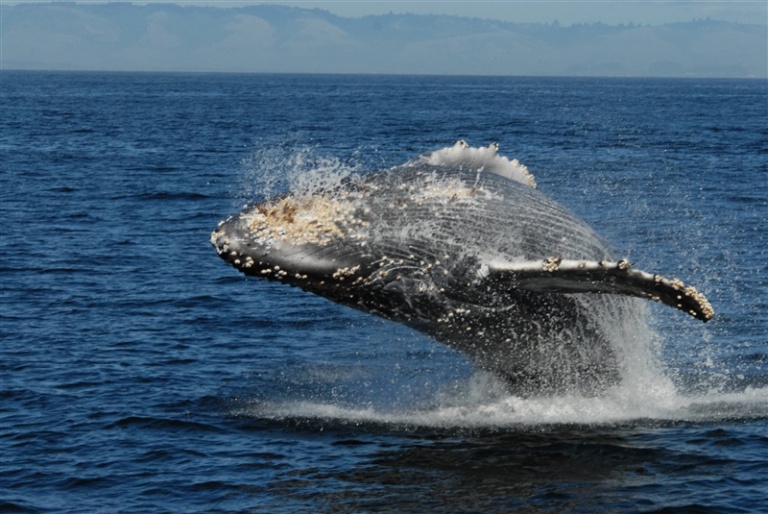
From the abstract: “We discuss potential impacts of observed and inferred prey shifts on gray whale nutrition in the context of an ongoing unusual gray whale mortality event. To conclude, we use the conceptual Arctic Marine Pulses (AMP) model to frame hypotheses that may guide future research on whales in the Pacific Arctic marine ecosystem.” Authors: Sue E. Moore, Janet

, ,
Publications

Acoustic signature reveals blue whales tune life-history transitions to oceanographic conditions

Authors: William K. Oestreich, Briana Abrahms, Megan F. McKenna, Jeremy A. Goldbogen, Larry B. Crowder, John P. RyanJournal: British Ecological SocietyDOI: 10.1111/1365-2435.14013 Matching the timing of life-history transitions with ecosystem phenology is critical for the survival of many species, especially those undertaking long-distance migrations…

, ,
Publications

Unprecedented heat mortality of Magellanic Penguins

Authors: Katie Holt and Dee BoersmaJournal: Ornithological ApplicationsDOI: https://doi.org/10.1093/ornithapp/duab052 Abstract excerpt: Extreme weather events are becoming more frequent and severe, leading to an increase in direct, adverse thermoregulatory impacts on wildlife. Here, we document an unprecedented, single-day, heat-related mortality event of Magellanic Penguins (Spheniscus magellanicus) at Punta Tombo, Chubut Province, Argentina, one of the largest breeding colonies for this species.

, ,
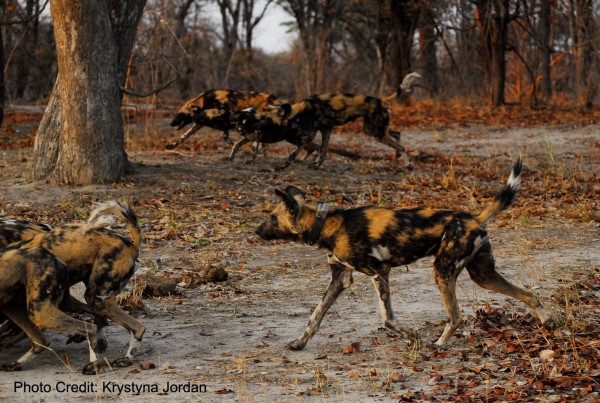
An African wild dog looks towards the camera through green leaves.Publications

A spatial capture–recapture model for group-living species

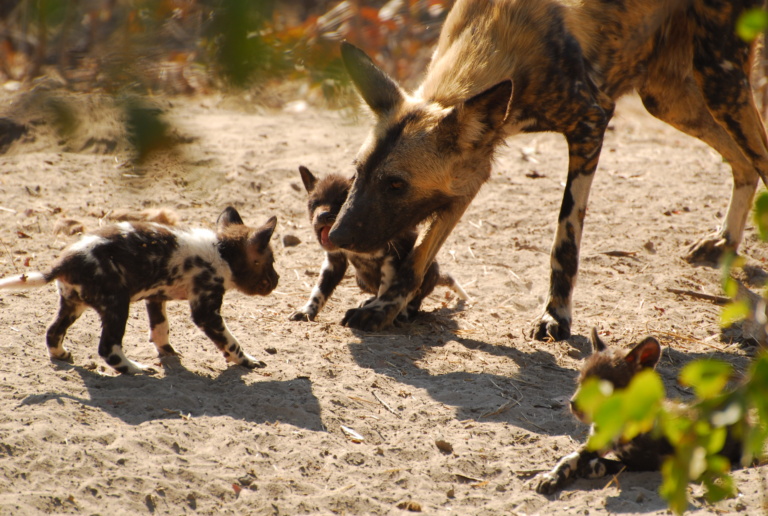
Animals that live in groups can affect their populations and ecosystems in complicated ways, so scientists need good methods to measure how many groups there are, how big they are, and how many individuals live in them. Traditional spatial capture–recapture (SCR) methods can estimate either group density or individual density, but they often give biased results for group-living species because

, , ,
Scroll to Top