Dr. Briana Abrahms

Publications

The capacity of sentinel species to detect changes

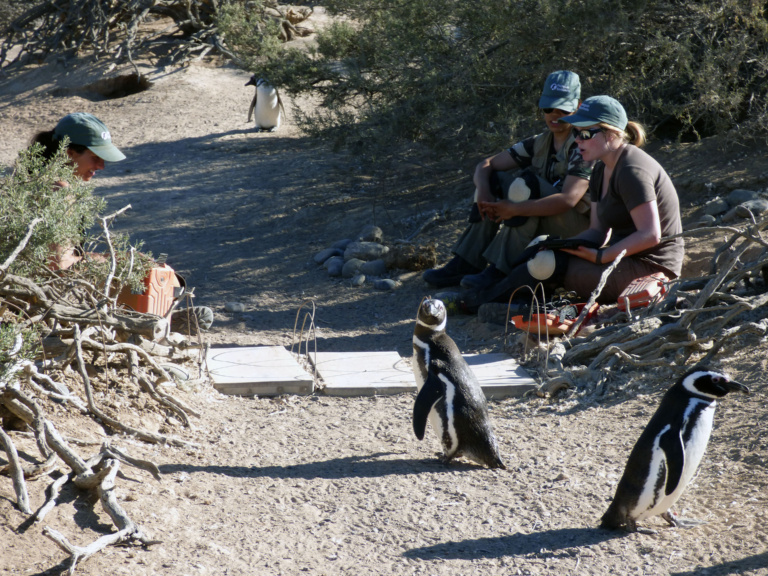
Full title: The capacity of sentinel species to detect changes in environmental conditions and ecosystem structureAuthors: T. J. Clark-Wolf, Katie A. Holt, Erik Johansson, Anna C. Nisi, Kasim Rafiq, Leigh West, P. Dee Boersma, Elliott L. Hazen, Sue E. Moore, Briana AbrahmsJournal: Journal of Applied EcologyDOI: 10.1111/1365-2664.14669 “A major obstacle to preventing and reversing biodiversity loss in the Anthropocene lies in the scarcity of tools and data for monitoring […]

, , , , , , , , ,
Publications

Hunting mode and habitat selection mediate the success of human hunters

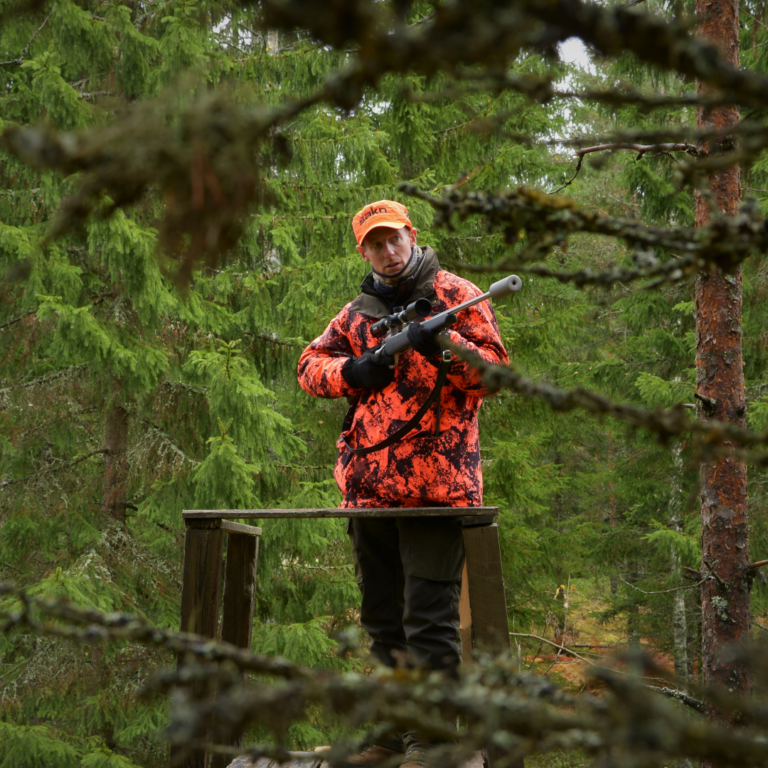
Authors: Kaitlyn M. Gaynor, Alex McInturff, Briana L. Abrahms, Alison M. Smith & Justin S. BrasharesJournal: Movement EcologyDOI: https://doi.org/10.1186/s40462-024-00471-z Abstract Excerpt: “Our study indicates that hunters can successfully employ a diversity of harvest strategies, and that hunting success is mediated by the interacting effects of hunting mode and landscape features. Such results highlight the breadth of human hunting modes, even

, ,
Abrahms Lab, Boersma Lab, News

Center paper finalist for Cozzarelli Prize

The paper “Climate presses and pulses mediate the decline of a migratory predator”,” published last year ” is the finalist for the Cozzarelli Prize in the category Class VI: Applied Biological, Agricultural, and Environmental Sciences. Congrats to former Abrahms Lab postdoc Dr.T. J. Clark-Wolf, Dr. Dee Boersma, Dr. Ginger A. Rebstock, and Dr. Briana Abrahms! Read the full press release

, , , ,
Abrahms Lab, News

Abrahms Lab featured in AppleTV’s “EarthSounds”

If you ever wondered how we use acoustic collars to gain insights into the daily lives of African wild dogs, watch the new nature documentary series EarthSounds on AppleTV! Dr. Briana Abrahms and postdoc Dr. Kasim Rafiq were scientific consultants on the show, while Dr. Rafiq’s and grad student Leigh West‘s research was featured in the episode “Listening to Our

, , , , ,
Publications

Increasing ambient temperatures trigger shifts in activity patterns and temporal partitioning in a large carnivore guild

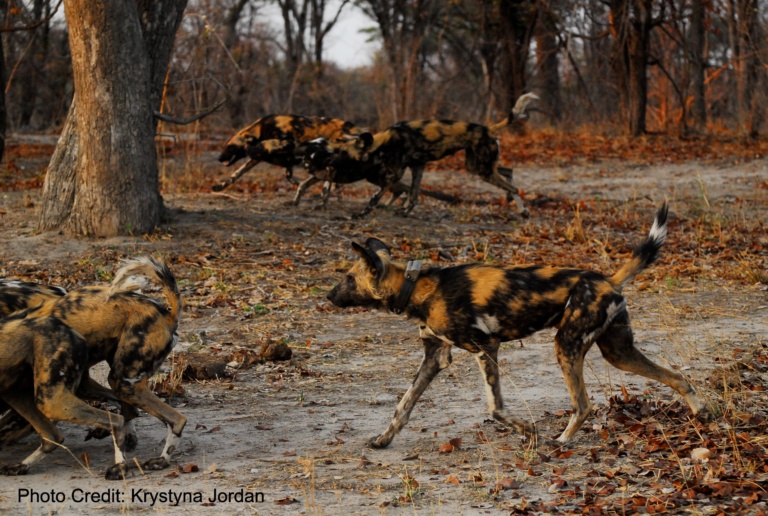
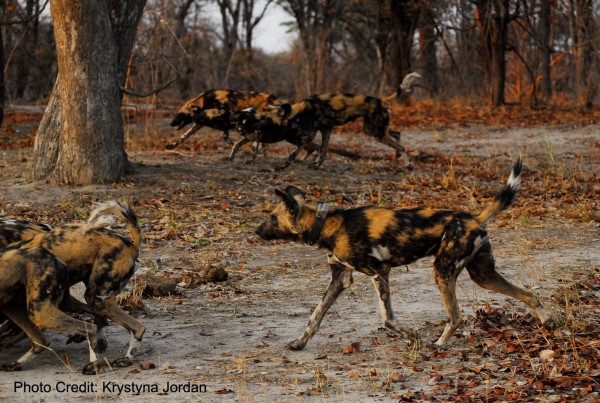
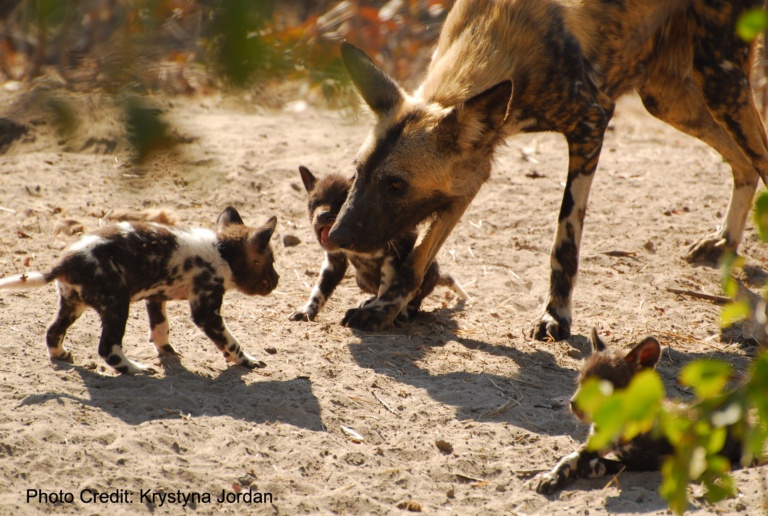
Authors: Kasim Rafiq, Neil R. Jordan, Krystyna Golabek, John W. McNutt, Alan Wilsonand, Briana AbrahmsJournal: Proceedings of the Royal Society: Biological SciencesDOI: https://doi.org/10.1098/rspb.2023.1938 Shifts in species’ interactions are implicated as an important proximate cause underpinning climate-change-related extinction. However, there is little empirical evidence on the pathways through which climate conditions, such as ambient temperature, impact community dynamics… Photo credit: Krystyna

, , , , ,
IMG_0574Abrahms Lab, News

Dr. Briana Abrahms chosen as a Packard Fellow for 2023

Dr. Briana Abrahms has been named a 2023 Packard Fellow for Science and Engineering. As one of 20 new fellows across the country, Abrahms, who holds the Boersma Endowed Chair in Natural History and Conservation, will receive $875,000 over five years for her research. Read the full story here. From all of us at the Center for Ecosystem Sentinels: congratulations

, ,
Abrahms Lab, Updates from the Field

Field updates: Readying the 2023 season

After Assistant Professor of Biology and Boersma Endowed Chair Dr. Briana Abrahms and her team deployed GPS-audio wildlife tracking collars on African wild dogs and lions during the summer of 2022, Dr. Abrahms and Dr. Kasim Rafiq, a postdoc in the Abrahms Lab, have been working with industry collaborators to build AI models that detect behaviors (such as hunting) and hunger levels

, ,
A blue whale underwaterPublications

Climate change as a global amplifier of human–wildlife conflict

Climate change and human–wildlife conflict are major problems for both biodiversity conservation and people today. Climate change makes conflicts worse by reducing resources, changing where animals and people live, and increasing how often they run into each other. Scientists have found climate-related conflicts involving many kinds of animals across all continents and oceans. These conflicts can harm local livelihoods, large

, , , , ,
Publications

Mobility and flexibility enable resilience of human harvesters to environmental perturbation

Managing ecosystem services sustainably requires understanding both nature and how people respond to change. This study examined how fishers reacted to a major marine heatwave that affected the valuable Dungeness crab fishery on the U.S. West Coast. Using detailed tracking data from over 500 fishing vessels, researchers found that fishers adapted by traveling to new areas and by fishing for

,
Publications

Climate presses and pulses mediate the decline of a migratory predator

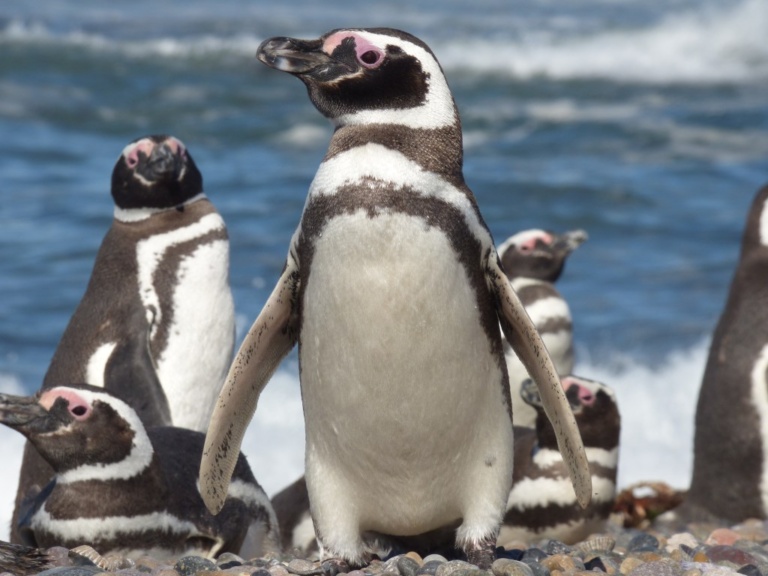
Long-term climate trends and short-term extreme events can affect animals in different ways, but scientists do not always know how these effects work together. This study used a “press–pulse” framework to separate the impacts of ongoing climate change from sudden extreme events on Magellanic penguins. Researchers analyzed 38 years of data from 53,959 penguins and found that long-term changes and

, , , ,
A blue whale underwaterPublications

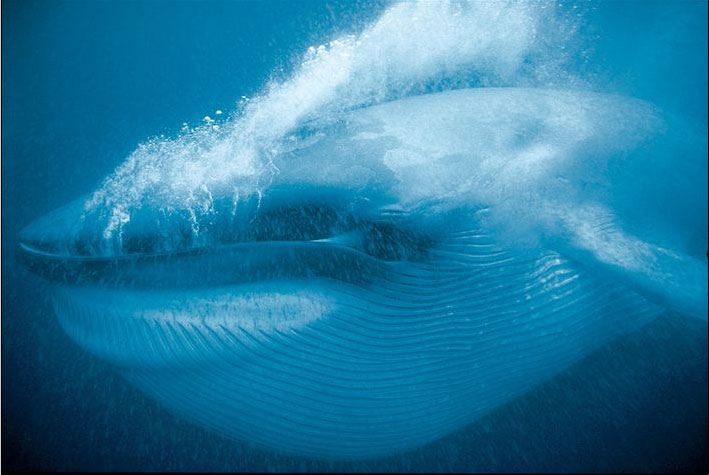
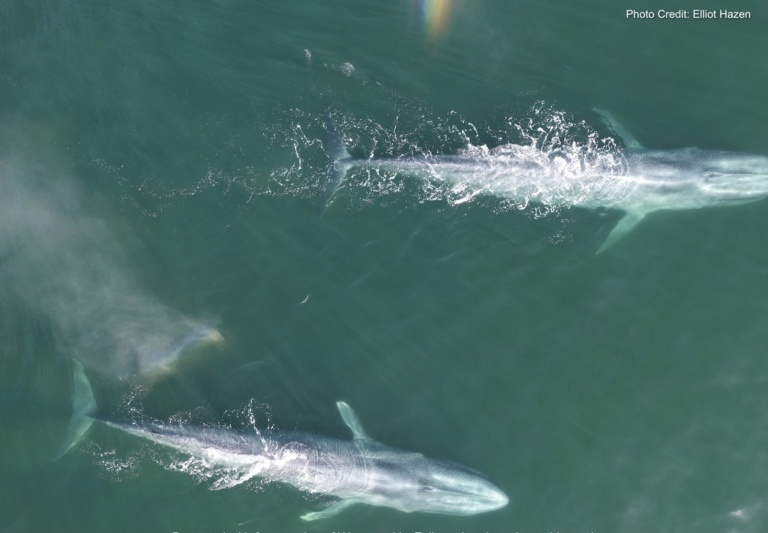
Blue whales increase feeding rates at fine-scale ocean features

Marine predators like blue whales must find prey that is unevenly spread across the ocean, which makes feeding challenging. Scientists know animals make movement choices at different scales, but it is unclear how these choices affect how well they feed. This study combined satellite data with detailed tracking data from blue whales to see how small-scale ocean features affect where

, , ,
Publications

Long-term, climate-driven phenological shift in a tropical large carnivore

Authors: Briana Abrahms, Kasim Rafiq, Neil R. Jordan, and J. W. McNuttJournal: Proceedings of the National Academy of SciencesDOI:10.1073/pnas.2121667119 Understanding the degree to which animals are shifting their phenology to track optimal conditions as the climate changes is essential to predicting ecological responses to global change…

, , ,
Making a perfect penguin_origPublications

Site fidelity increases reproductive success by increasing foraging efficiency

Full Title: Site fidelity increases reproductive success by increasing foraging efficiency in a marine predator Authors: Ginger A Rebstock, Briana Abrams, P. Dee BoersmaJournal: Behavioral EcologyDOI: 10.1093/beheco/arac052 Seabirds must find food efficiently in the dynamic ocean environment to succeed at raising chicks. In theory, site familiarity, gained by prior experience in a place, should increase foraging efficiency when prey is

, ,
Publications

Acoustic signature reveals blue whales tune life-history transitions to oceanographic conditions

Authors: William K. Oestreich, Briana Abrahms, Megan F. McKenna, Jeremy A. Goldbogen, Larry B. Crowder, John P. RyanJournal: British Ecological SocietyDOI: 10.1111/1365-2435.14013 Matching the timing of life-history transitions with ecosystem phenology is critical for the survival of many species, especially those undertaking long-distance migrations…

, ,
Scroll to Top