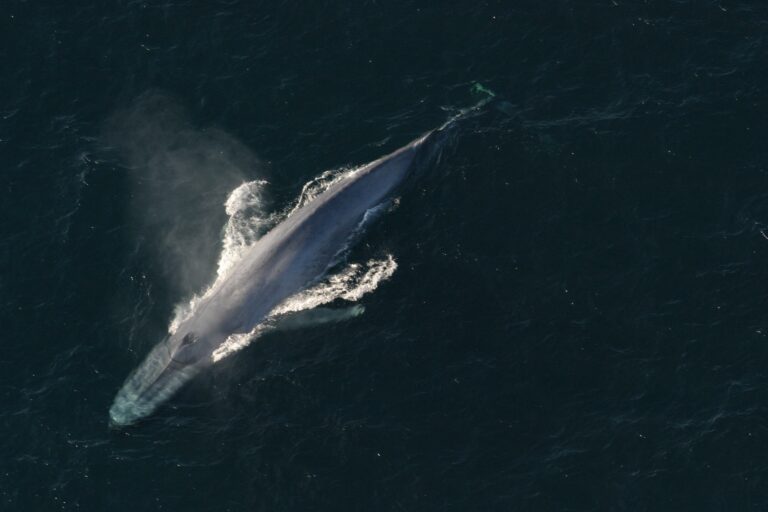
While we are known for our penguin research, there is another marine sentinel that the Center holds dear: whales. In fact, Dr. Sue Moore recently received the Kenneth S. Norris Lifetime Achievement Award from the Society for Marine Mammalogy, recognizing her outstanding career and lasting contributions to marine mammal science! It’s safe to say we know a thing or two about whales. On World Whale Day 2026, celebrate with us in recognizing our scientists’ latest efforts to study the largest extant vertebrates creatures in the world 🐳
Featured photo credit: Dr. Steven Swartz | NOAA
Latest Research
-
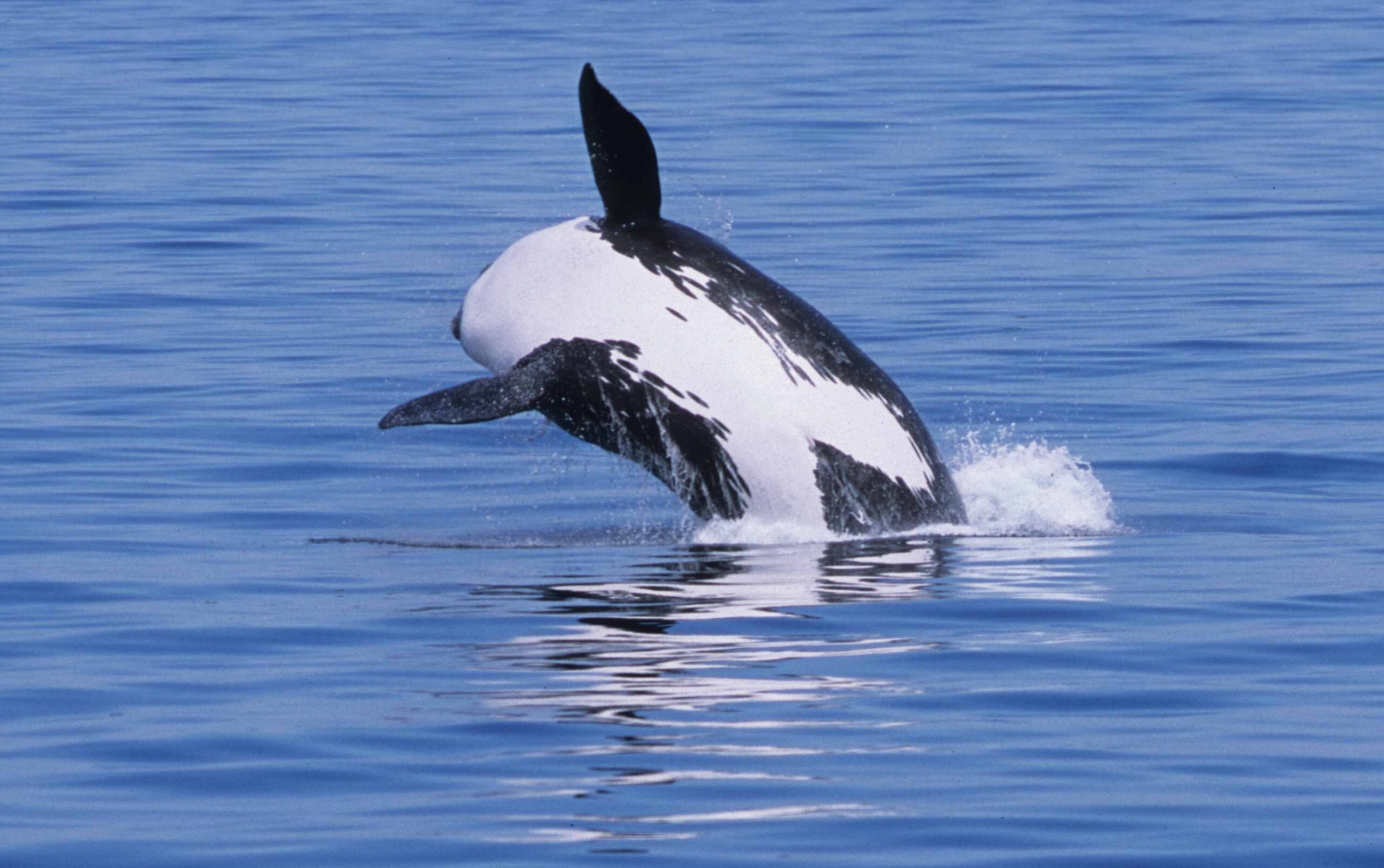
Diel patterns of biosonar-based foraging effort in endangered southern resident killer whales
Dr. Jennifer Tennessen co-authored a paper published in Endangered Species Research on how Southern Resident Killer Whales (SRKW) forage depending on the time of day. The researchers found no difference between day…
-
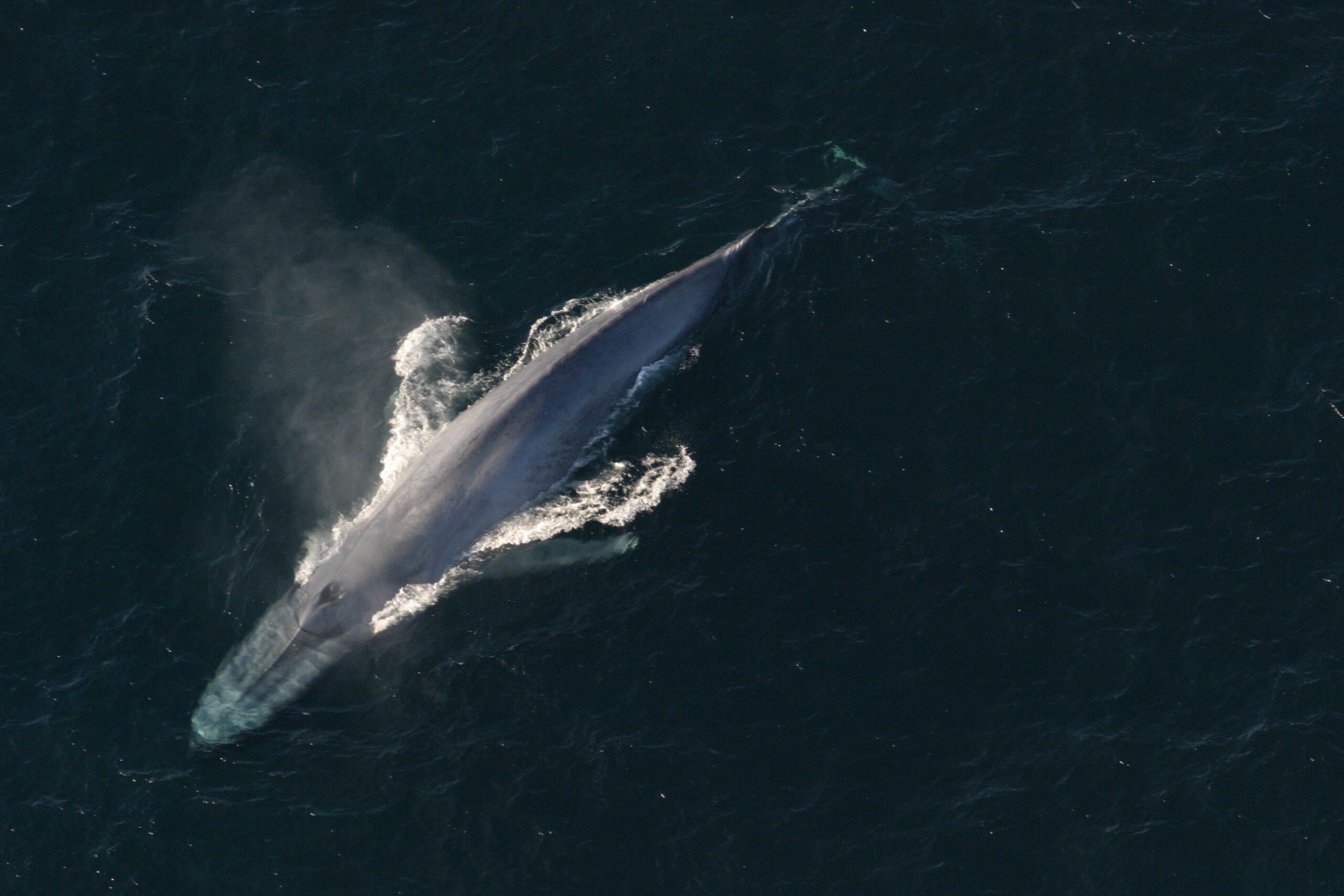
Anna Nisi’s new publication “Win–wins for wind and whales” in nature climate change News
Dr. Anna Nisi’s article in Nature Climate Change‘s News & Views section argues that with careful siting, timing, and noise-reduction technology, it’s possible to reduce whale impacts while still expanding…
-

Vulnerability of marine megafauna to global at-sea anthropogenic threats
Marine megafauna face many human-caused threats, so understanding how vulnerable each species is to these dangers is essential. In this study, researchers assessed how 256 large marine species respond to…
-

What gray whales are telling us about ecosystem change in the Pacific Arctic
Gray whales in the eastern North Pacific have been shrinking in number for the past six years — and the decline seems to be getting worse. This is surprising because…
-

Identifying climate refugia and bright spots for highly mobile species
From the abstract: “We present a framework to facilitate climate change adaptation planning by identifying where highly migratory species habitats will persist (climate refugia), emerge (bright spots), disappear (dark spots),…
-
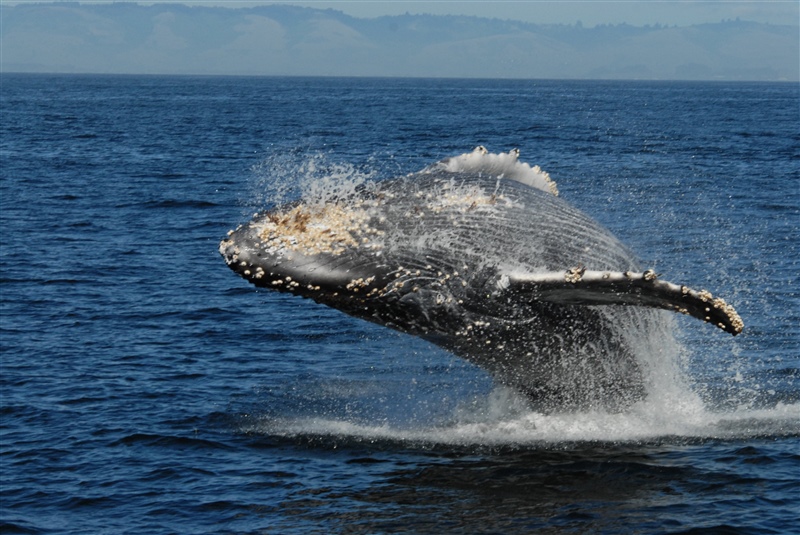
Culture and conservation in baleen whales
From the abstract: Here, as part of the UNEP CMS Expert Group on Animal Culture and Social Complexity, we first evaluate key evidence for social learning and culture in baleen…
Project “Whale Safe”
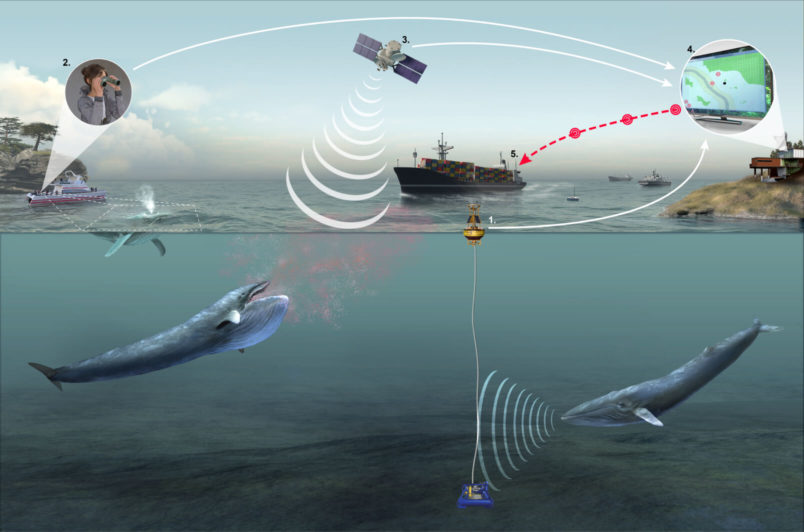
Dr. Briana Abrahms led the a big data model which provides Whale Safe near real-time forecasts of whale presence probability. Dr. Abrahms’ research, published in Diversity and Distributions (Abrahms et al. 2019), related the movements of more than 100 blue whales with temporary satellite tags by Oregon State University. The tags also logged daily oceanographic conditions such as sea surface temperature and water column properties. The data showed that whales respond predictably to specific ocean conditions that create good habitat for them and their prey. Whale Safe uses Dr. Abrahms’s model to estimate the probability of blue whales along the west coast based on the current day’s ocean conditions. It’s like a daily weather forecast for whales!
Videos
While most of of the Biology 305 students focus on penguins for their videos, we do occasionally have students passionate about other subjects. Two years ago, Giovanna Esquivel created this video for World Ocean Day to remind us that what we use on land like plastics and fertilizer end up in the ocean. We think you’ll enjoy it.
Student: Giovanna Esquivel
Quarter: Spring 2024