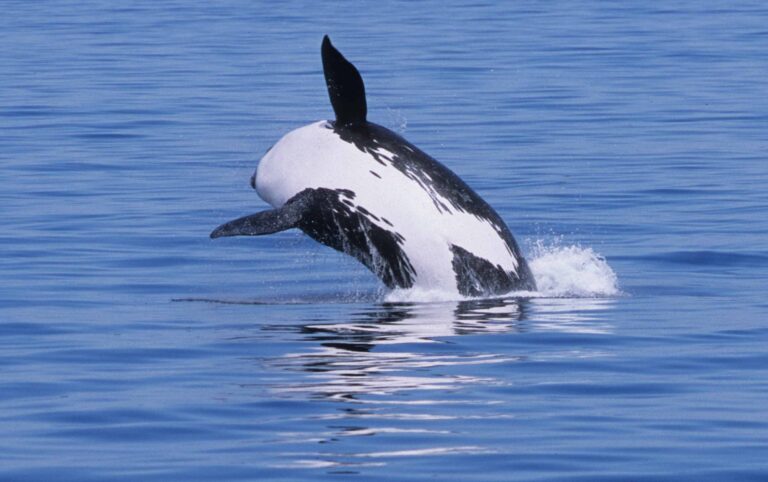
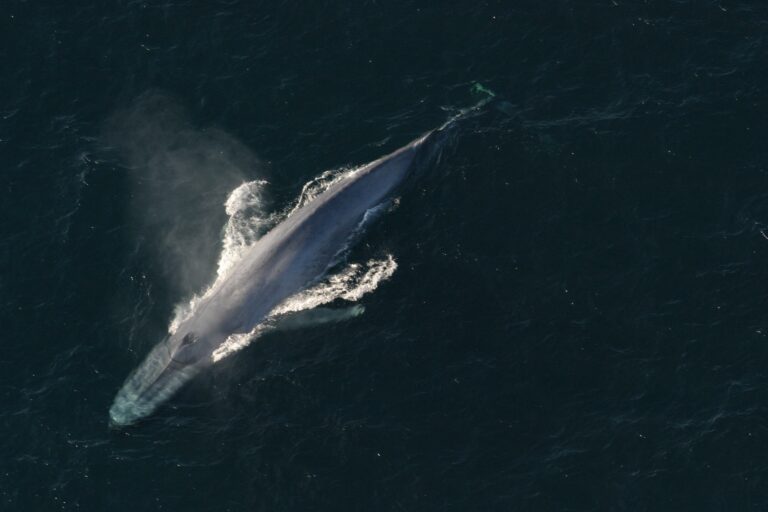
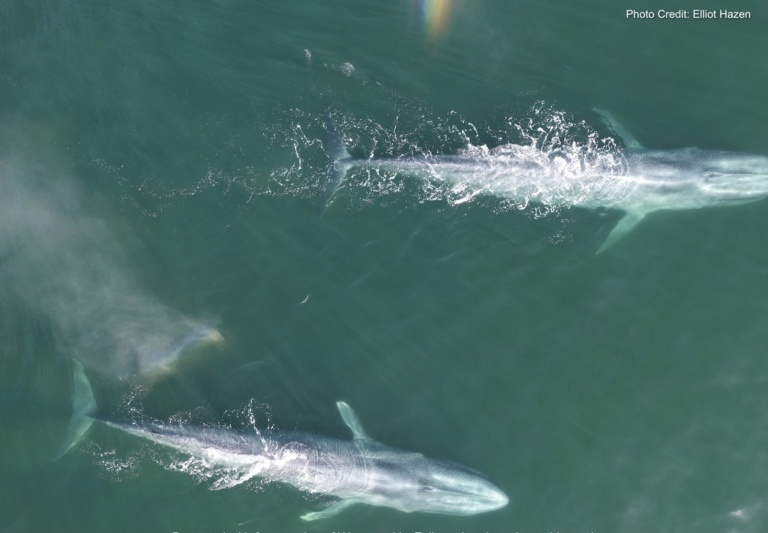
Marine megafauna face many human-caused threats, so understanding how vulnerable each species is to these dangers is essential. In this study, researchers assessed how 256 large marine species respond to 23 different threats, ranging from specific fishing gear to climate impacts and coastal disturbances. They found that 70 species had high vulnerability (v > 0.778 out of 1) to at least one major threat. Drifting longlines, extreme temperatures, and fixed fishing gear were the primary threats, and considered to have the most severe effects.
Temperature extremes and plastics/other solid wastes affected the largest proportion of populations. Penguins and polar bears were most vulnerable to temperature extremes, while bony fishes and flying birds were most at risk from drifting longlines and plastic pollution. Other findings include whales that live in the open ocean (pelagic cetaceans) being vulnerable to 4 maritime distance threats, while many cartilaginous fish (elasmobranchs) were vulnerable to 5 fishing-specific threats. These vulnerability scores help scientists identify which threats are both widespread and severe, guiding efforts to better protect marine wildlife.
Authors: Michelle VanCompernolle, Juliet Morris, Hannah J. Calich, Jorge P. Rodríguez, Sarah A. Marley, Jessica R. Pearce, Briana Abrahms, et al.
Journal: Conservation Biology
DOI: 10.1111/cobi.70147
Photo credit: Loggerhead turtles killed as result of shrimp bycatch prior to introduction of turtle excluder devices. (Image credit: NOAA NMFS SEFSC Panama City Beach Laboratory)