
Dr. Briana Abrahms
Boersma Endowed Chair in Natural History & Conservation

Dr. Briana Abrahms is an Associate Professor in the University of Washington Department of Biology, and holds the inaugural Boersma Endowed Chair of Natural History and Conservation. She earned a B.Sc. in Physics from Brandeis University and a Ph.D. in Environmental Science, Policy, and Management from the University of California-Berkeley. Prior to joining the UW, she was a U.S. Presidential Management Fellow with the National Oceanic and Atmospheric Administration’s Climate and Ecosystems Group. See the Abrahms Lab website to learn more.
Research Program
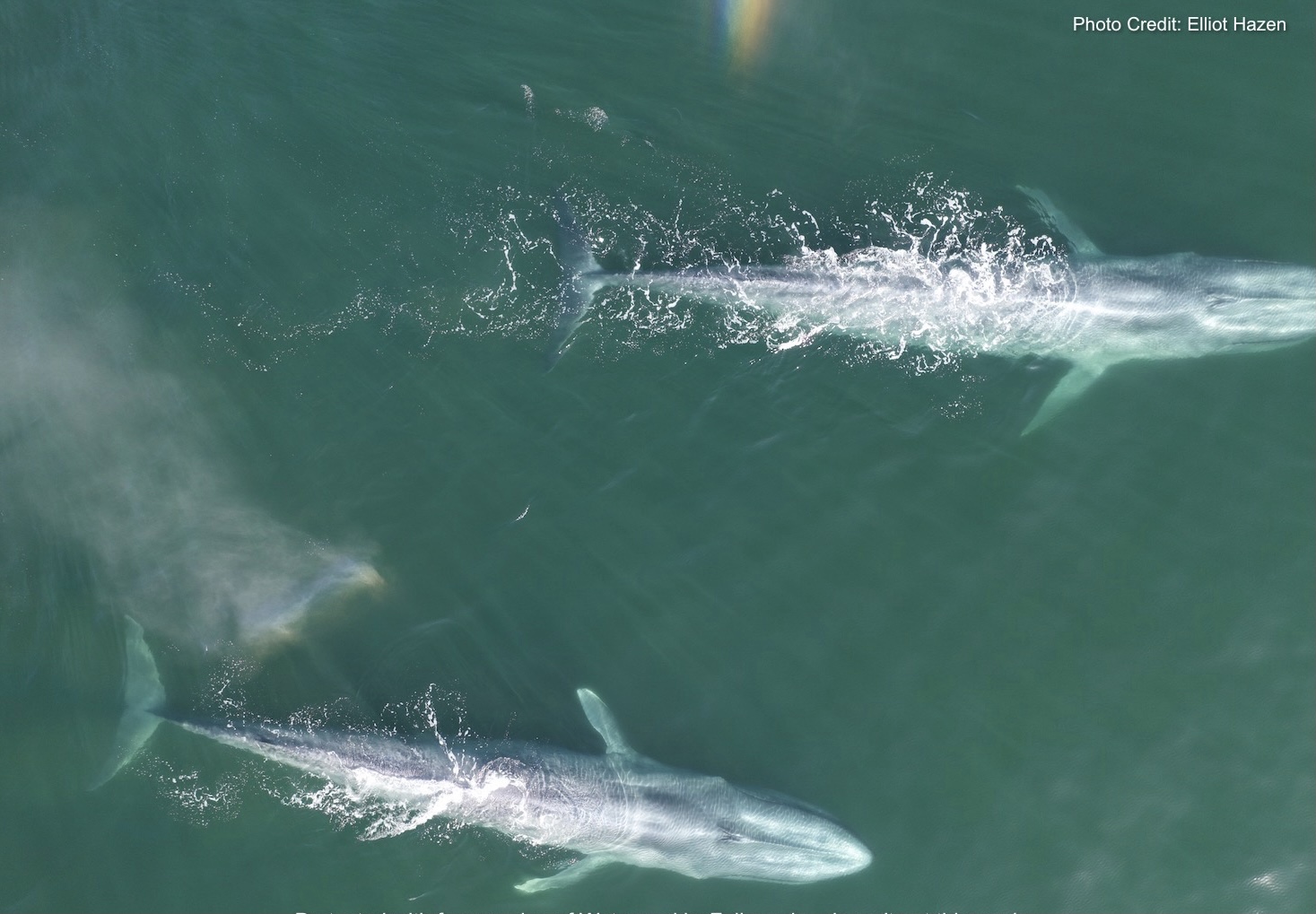
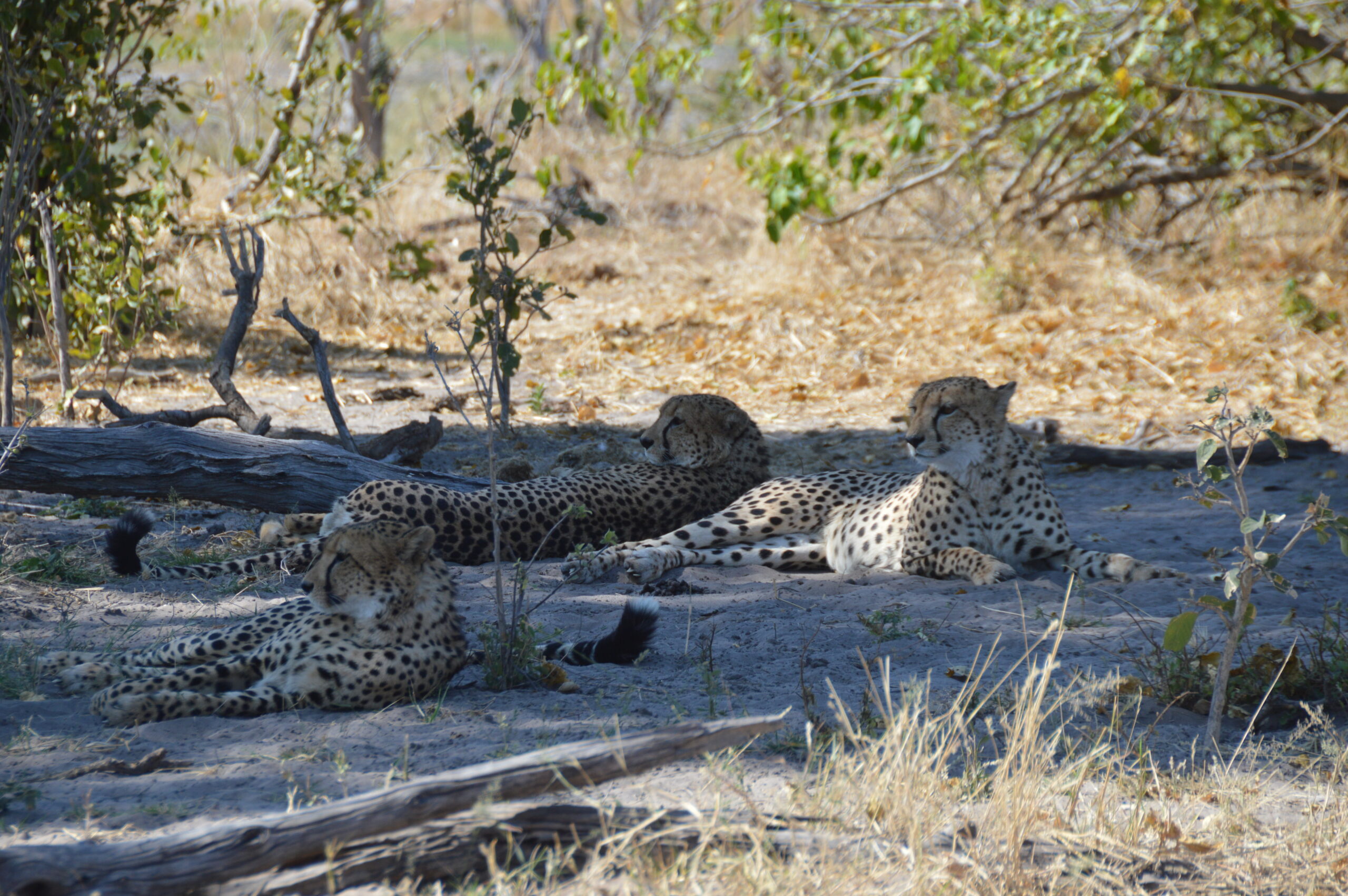
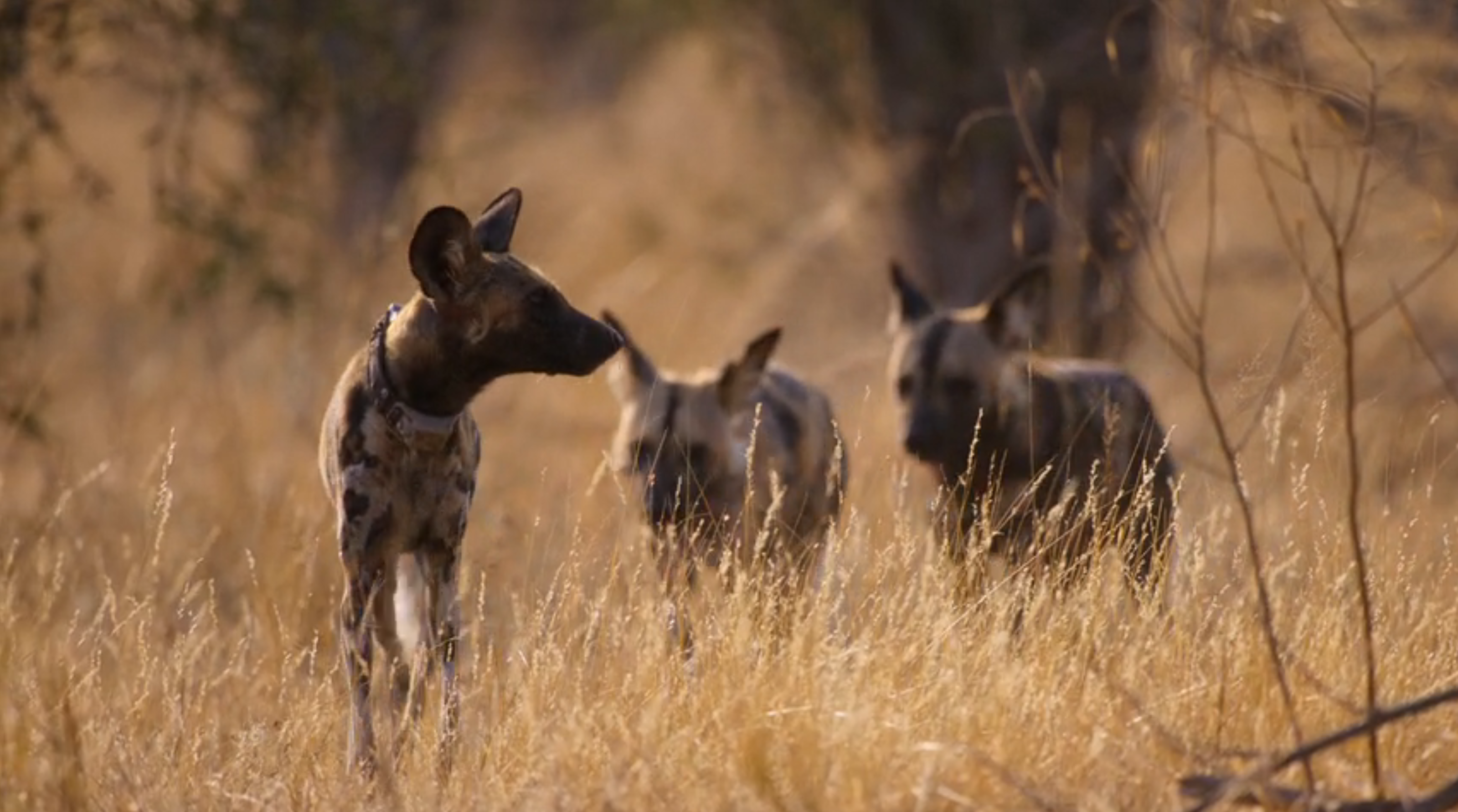
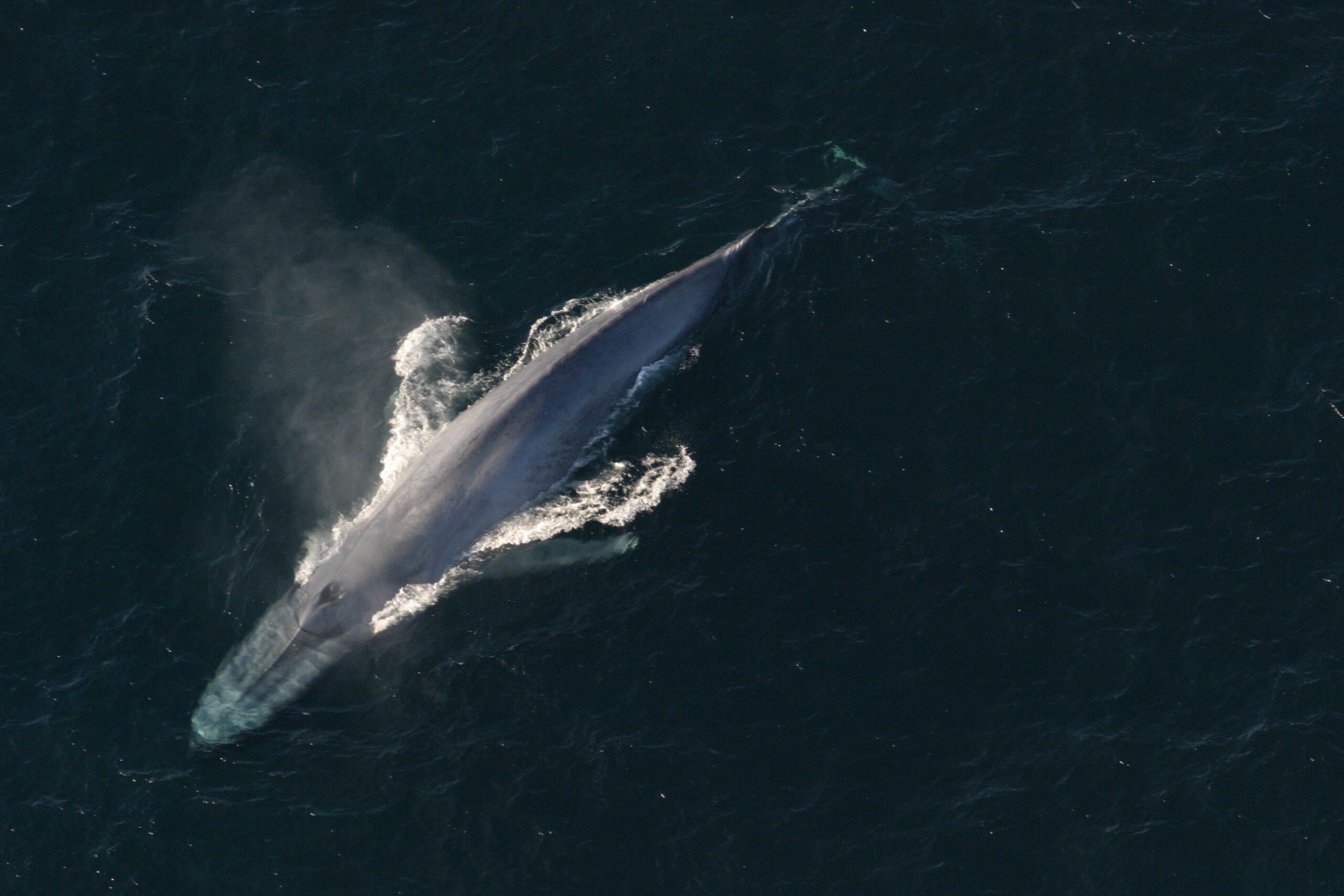
Dr. Abrahms’ research brings a unique crossover between terrestrial and marine systems to the fields of behavioral and movement ecology and conservation biology. Her research program integrates animal bio-logging technology, earth observation, and big data analytics to advance understanding of the causes and consequences of wildlife responses to global change. From marine mammals in the open ocean to large carnivores in the African savanna, research in the Abrahms Lab encompasses studies on sentinel species around the globe to understand the effects of global change on wildlife ecology and conservation.
Collaborative conservation
Beyond basic research, Dr. Abrahms works closely with stakeholders, managers and policy-makers to conduct user-informed science and develop innovative tools for conservation. Her work has been integrated into landscape planning for carnivore conservation in southern Africa and policies to reduce large whale mortalities along the U.S. West Coast, including the implementation of Whale Safe, a real-time tool to reduce whale-ship collisions. She is an affiliate researcher with Botswana Predator Conservation, and a member of the Southern California Blue Whale Ship Strike Working Group, the California Whale Entanglement/Dungeness Crab Fishing Gear Working Group, and the West Coast Gray Whale Unusual Mortality Event Working Group.
Her research has been published in top-ranked ecology and broad-audience journals, and has been featured in a variety of media outlets, including The Atlantic, Scientific American, the Washington Post, and the BBC.
See a full list of Dr. Abrahms’s publications on the Abrahms Lab website.
Recent publications
Submitted, in review, and in press
Last updated bold font indicates Abrahms Lab member
Faith, M. P., Rees, S. E., Gibb, R., Abrahms, B., Hartmann, L., Walz, Y., Janzen, S., Niner, H. J., Simões, B. F., Mendez, A. D., McQuatters-Collop, A. Framing Nature’s harmful contributions to people as ecosystem hazards. Nature Ecology & Evolution (in revision).
Nisi, A., West, L., Halabisky, M., Jordan, N., Kotze, R., Loveridge, A., McNutt, J.W., Neelo, J., Prugh, L., Rafiq, K., Sousa, L., Wilson, A., Abrahms, B. Drought intensifies dominant competitor avoidance and risk-reward tradeoffs in a large carnivore guild. Ecology (in revision).
Walker, R., Mathewson, P.D., Porter, W.P., Abrahms, B., Rafiq, K., Golabek, K.A., Jordan, N.R., McNutt, J.W., Long, R.A.. Competition mediates the fitness costs of heat sensitivity in an endangered carnivore. Ecology (in review).
Latest news
-
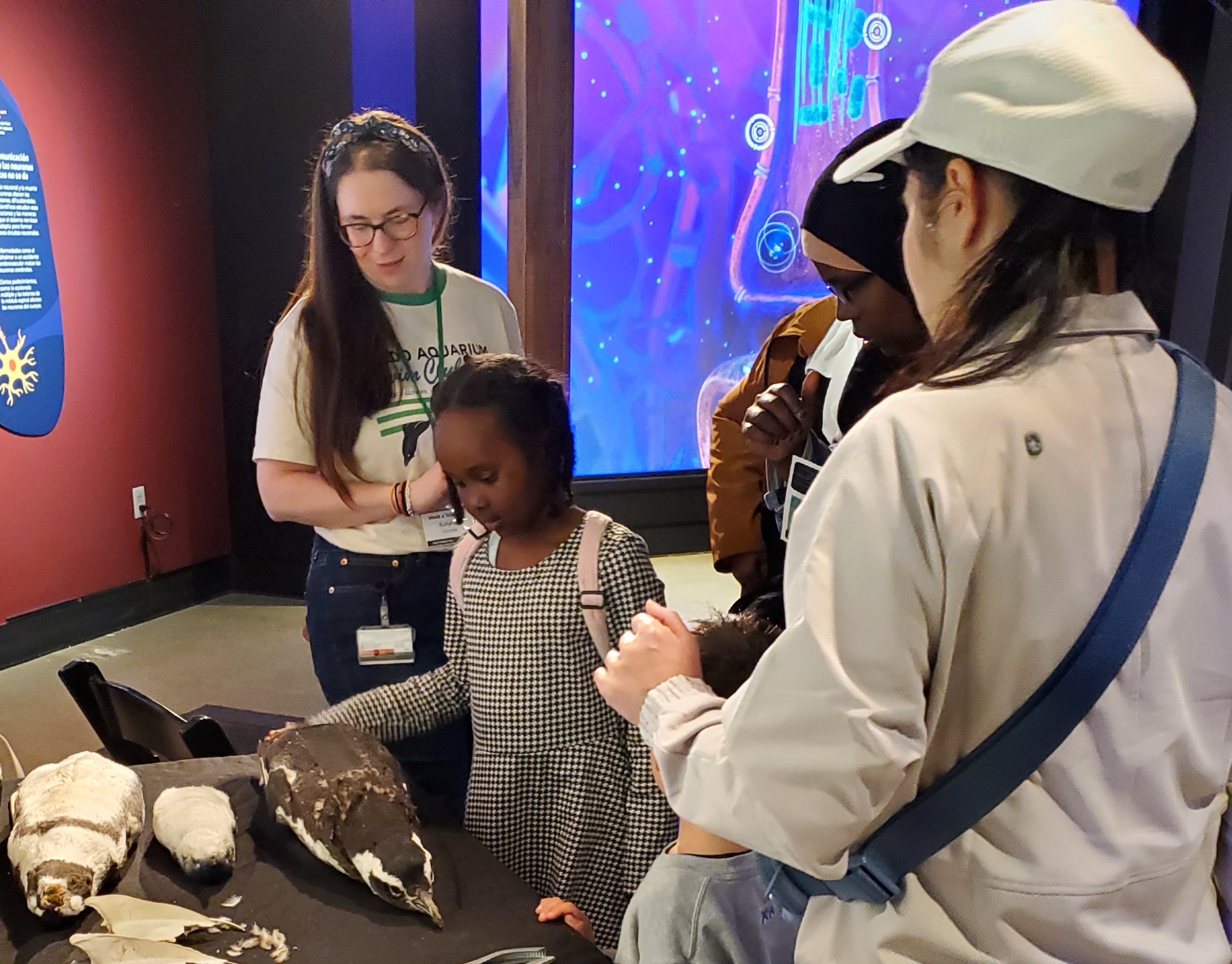
CES has an outreach-packed spring 2026
We’ve been presenting our research all around the region, and beyond! Make sure to stop by the BIOL 305 Film Showcase on June 10 to see the latest creations from Dee’s video students!
-

World Whale Day 2026
While we are known for our penguin research, there is another marine sentinel that the Center holds dear: whales. In fact, Dr. Sue Moore recently received the Kenneth S. Norris Lifetime Achievement Award from the Society for Marine Mammalogy, recognizing her outstanding career and lasting contributions to marine mammal science! It’s safe to say we…
-

Dr. Briana Abrahms Speaks at International Parliamentary Roundtable on Human-Wildlife Coexistence
Dr. Briana Abrahms had the privilege to give a keynote speech at the International Parliamentary Roundtable on Human-Wildlife Coexistence (HWC) in Gaborone, Botswana on January 19, 2026. The roundtable included parliamentarians from Botswana, Denmark, Finland, Germany, Greece, Kenya, Malawi, Namibia, Romania, Sri Lanka, Sweden, and Zambia. Her presentation provided a global overview of how and…