We’ve published a lot this year! Here’s a round up of what we wrote in 2025:
-
Generative AI as a tool to accelerate the field of ecology
This paper summarizes the potential generative artificial intelligence (AI) has to aid ecological research. With access to more and more data, like genetic information and animal movement data, generative AI could augment data-scarce datasets, extend observations of ecological patterns, and increase the accessibility of ecological data. The paper also covers the challenges to using generative AI such as privacy concerns,…
-

Strategic planning could reduce farm-scale mariculture impacts on marine biodiversity while expanding seafood production
From the abstract:“Here we estimate local cumulative environmental impacts from current and future (2050) mariculture production on marine biodiversity (20,013 marine fauna), while accounting for species range shifts under climate change. […] Our results reveal where and how much mariculture impacts could change in the coming decades and identify pathways for countries to minimize risks under expansion of mariculture and…
-
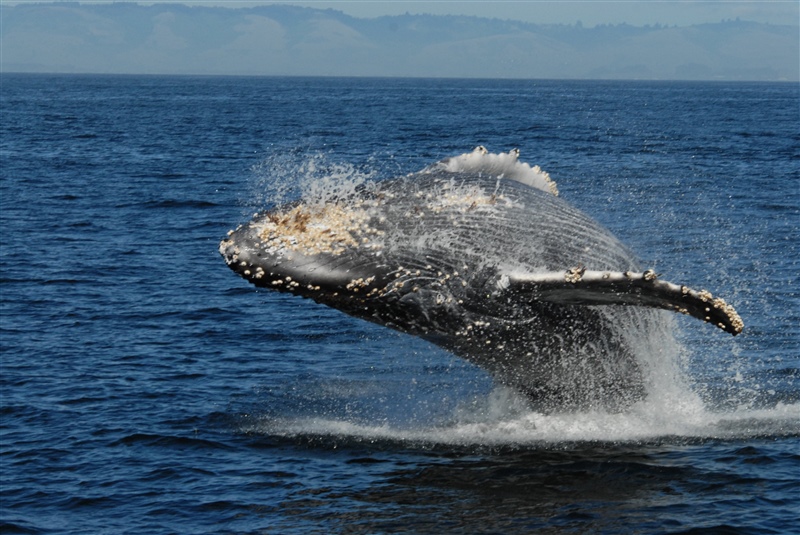
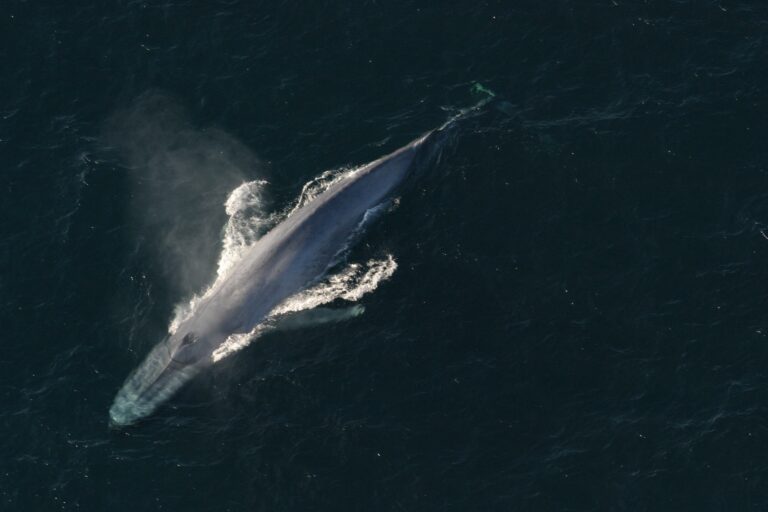
Culture and conservation in baleen whales
From the abstract: Here, as part of the UNEP CMS Expert Group on Animal Culture and Social Complexity, we first evaluate key evidence for social learning and culture in baleen whales through several case studies. We then suggest key indicators by behavioural context to assist in identifying potential cases of social learning in more elusive species generating a practical guide…
-
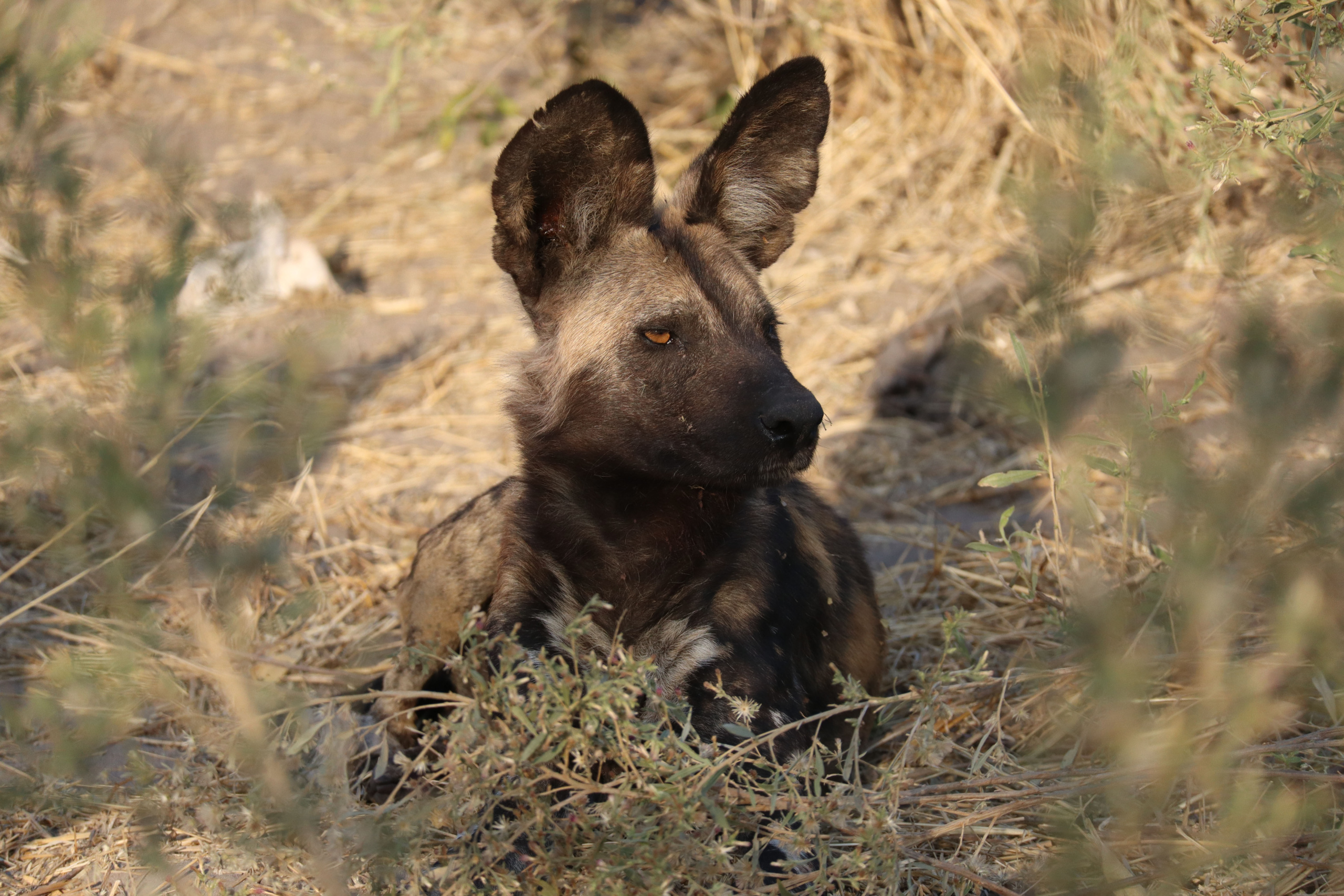
Intraguild competition mediates human avoidance in an endangered African large carnivore
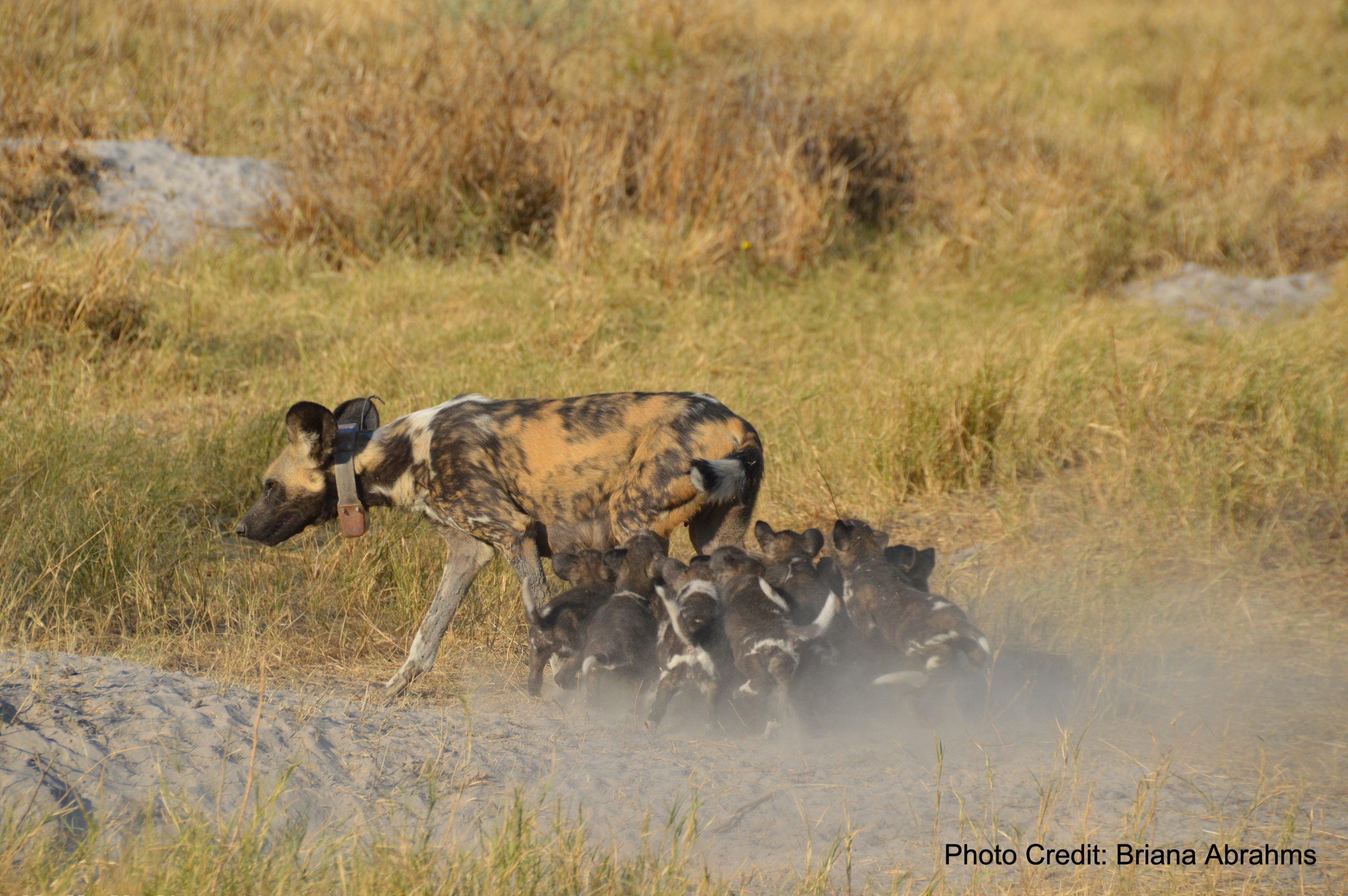
Excerpt from the abstract: Here, we examined the spatial behaviour of two sympatric large carnivore species exhibiting intense intraguild competition—lions and African wild dogs—to investigate whether intraguild competition mediates large carnivore responses to human disturbance in support of the anthropogenic refuge hypothesis. We found that lions consistently avoided human-dominated areas. Similarly, we found that wild dogs generally avoided human-dominated areas,…
-

Identifying climate refugia and bright spots for highly mobile species
From the abstract: “We present a framework to facilitate climate change adaptation planning by identifying where highly migratory species habitats will persist (climate refugia), emerge (bright spots), disappear (dark spots), or remain unsuitable based on model analysis by 2100. When applied to eight species in the California Current System, we found that, on average, 37% of habitats are expected to…
-

Perceived and observed biases within scientific communities
Full title: Perceived and observed biases within scientific communities: a case study in movement ecology From the abstract: “Although the survey indicated most conference participants as bias-aware, conversations only covered a subset of biases. We discuss potential causes of bias (parachute-science, fieldwork accessibility), solutions and the need to evaluate mitigatory action effectiveness. Undertaking data-driven analysis of bias within sub-disciplines can…
-

Interacting climatic and biotic drivers of population responses to climate change
Full title: Comparative life-cycle analyses reveal interacting climatic and biotic drivers of population responses to climate change Dr. Briana Abrahms and Dr. Dee Boersma collaborated on this study, published in PNAS Nexus in September. The study looked at long-term data from 41 plant and animal species to understand how climate change and other factors together affect survival and reproduction. The…
-

Wild canids and felids differ in their reliance on reused travel routeways
Dr. Briana Abrahms and Dr. Kasim Rafiq, along with many collaborators, published this study in PNAS earlier this fall. Animals move through their environments in many different ways, and these movement patterns affect things like hunting, finding mates, and spreading diseases. This study looked at GPS data from over 1,200 wild carnivores—16 canid (dog-like) and 18 felid (cat-like) species from…
-

What gray whales are telling us about ecosystem change in the Pacific Arctic
Gray whales in the eastern North Pacific have been shrinking in number for the past six years — and the decline seems to be getting worse. This is surprising because gray whales had made a big comeback after being hunted almost to extinction. But now, warming oceans are changing their Arctic feeding areas. Less sea ice and shifts in ocean…
-

Vulnerability of marine megafauna to global at-sea anthropogenic threats
Marine megafauna face many human-caused threats, so understanding how vulnerable each species is to these dangers is essential. In this study, researchers assessed how 256 large marine species respond to 23 different threats, ranging from specific fishing gear to climate impacts and coastal disturbances. They found that 70 species had high vulnerability (v > 0.778 out of 1) to at…
-

Leveraging machine learning and accelerometry to classify animal behaviors with uncertainty
Animal-worn sensors, especially accelerometers, are increasingly used with machine-learning models to identify animal behaviors. These tools often struggle with uneven training data, uncertain predictions, and noisy results. To address these issues, Dr. Rafiq and Dr. Abrahms, with their collaborators, developed an open-source method that combines machine learning and statistical techniques to improve behavior classification and to provide “prediction sets,” which…