Full title: Comparative life-cycle analyses reveal interacting climatic and biotic drivers of population responses to climate change
Dr. Briana Abrahms and Dr. Dee Boersma collaborated on this study, published in PNAS Nexus in September. The study looked at long-term data from 41 plant and animal species to understand how climate change and other factors together affect survival and reproduction. The researchers found that when multiple climate factors act at once, they can make population changes worse, especially for species that live fast and die young. However, when population density is accounted for the effects are softened. Overall, the study offers a new way to understand how climate and population factors together shape how plants and animals respond to climate change.
Authors: Ickin, E., Conquet, E., Abrahms, B., Albon, S.D., Blumstein, D.T., Bond, M.L., Boersma, P.D., Clark-Wolf, T.J., et al.
Journal: PNAS Nexus
DOI: 10.1093/pnasnexus/pgaf286
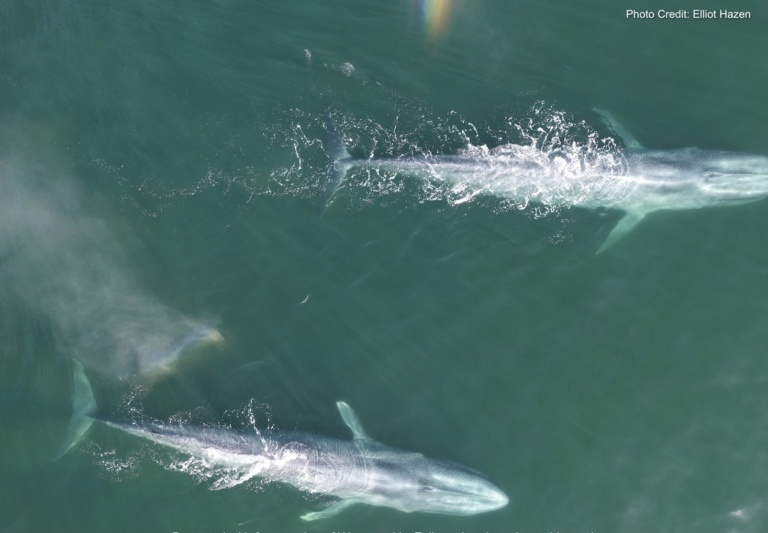
Photo credit: Center for Ecosystem Sentinels