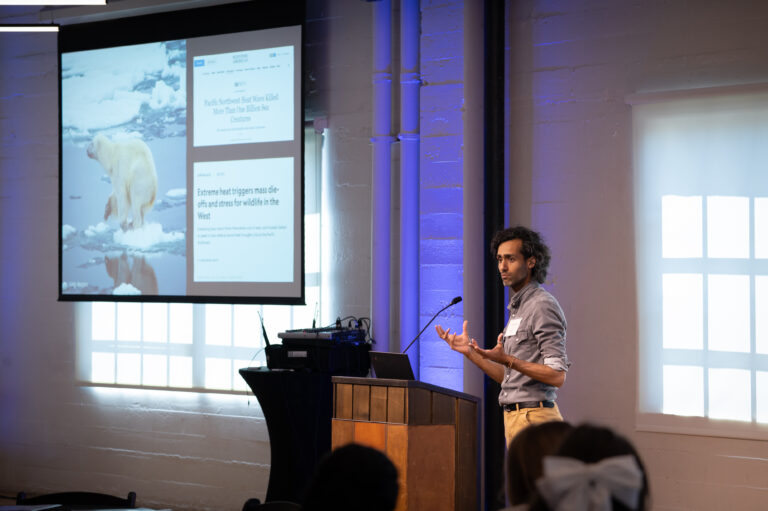
Dr. Kasim Rafiq

Abrahms Lab, News

Abrahms Lab featured in AppleTV’s “EarthSounds”

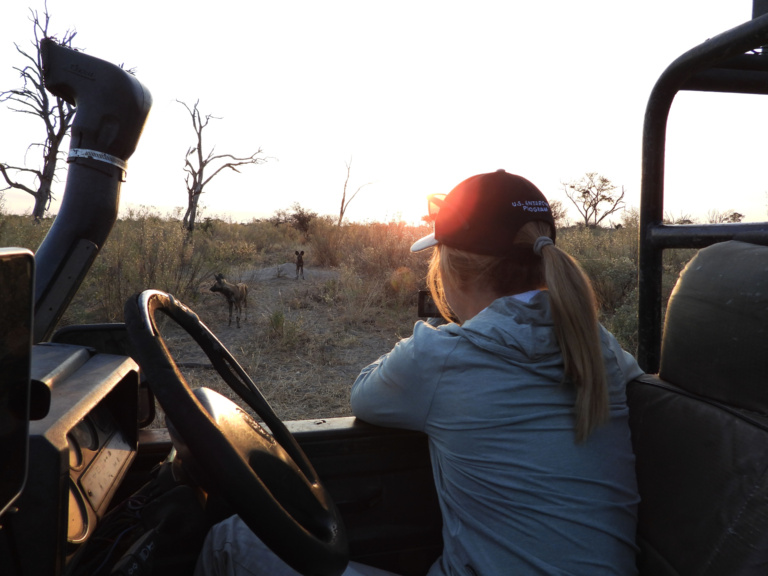
If you ever wondered how we use acoustic collars to gain insights into the daily lives of African wild dogs, watch the new nature documentary series EarthSounds on AppleTV! Dr. Briana Abrahms and postdoc Dr. Kasim Rafiq were scientific consultants on the show, while Dr. Rafiq’s and grad student Leigh West‘s research was featured in the episode “Listening to Our […]

, , , , ,
Publications

Increasing ambient temperatures trigger shifts in activity patterns and temporal partitioning in a large carnivore guild

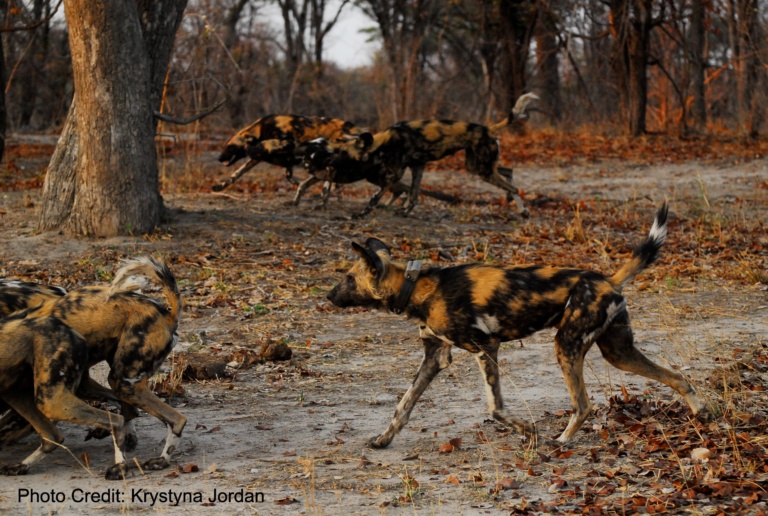
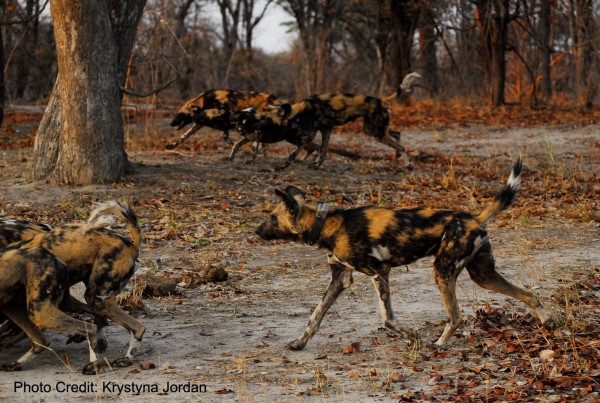
Authors: Kasim Rafiq, Neil R. Jordan, Krystyna Golabek, John W. McNutt, Alan Wilsonand, Briana AbrahmsJournal: Proceedings of the Royal Society: Biological SciencesDOI: https://doi.org/10.1098/rspb.2023.1938 Shifts in species’ interactions are implicated as an important proximate cause underpinning climate-change-related extinction. However, there is little empirical evidence on the pathways through which climate conditions, such as ambient temperature, impact community dynamics… Photo credit: Krystyna

, , , , ,
Abrahms Lab, Updates from the Field

Field updates: Readying the 2023 season

After Assistant Professor of Biology and Boersma Endowed Chair Dr. Briana Abrahms and her team deployed GPS-audio wildlife tracking collars on African wild dogs and lions during the summer of 2022, Dr. Abrahms and Dr. Kasim Rafiq, a postdoc in the Abrahms Lab, have been working with industry collaborators to build AI models that detect behaviors (such as hunting) and hunger levels

, ,
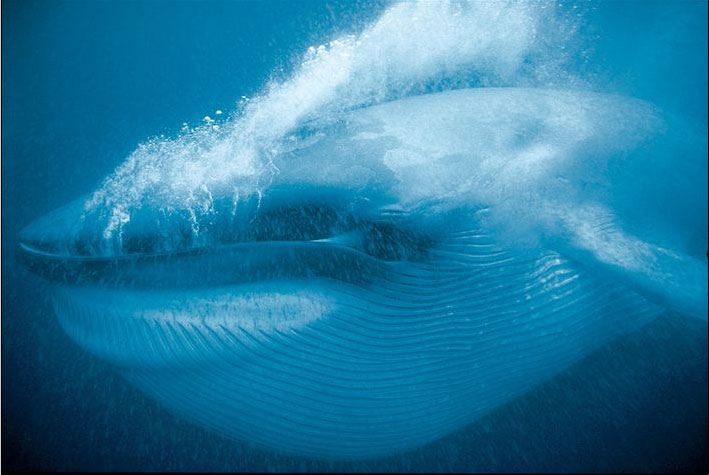
A blue whale underwaterPublications

Climate change as a global amplifier of human–wildlife conflict

Climate change and human–wildlife conflict are major problems for both biodiversity conservation and people today. Climate change makes conflicts worse by reducing resources, changing where animals and people live, and increasing how often they run into each other. Scientists have found climate-related conflicts involving many kinds of animals across all continents and oceans. These conflicts can harm local livelihoods, large

, , , , ,
Scroll to Top