Abrahms Lab

Filter posts by category

IMG_0574Abrahms Lab, News

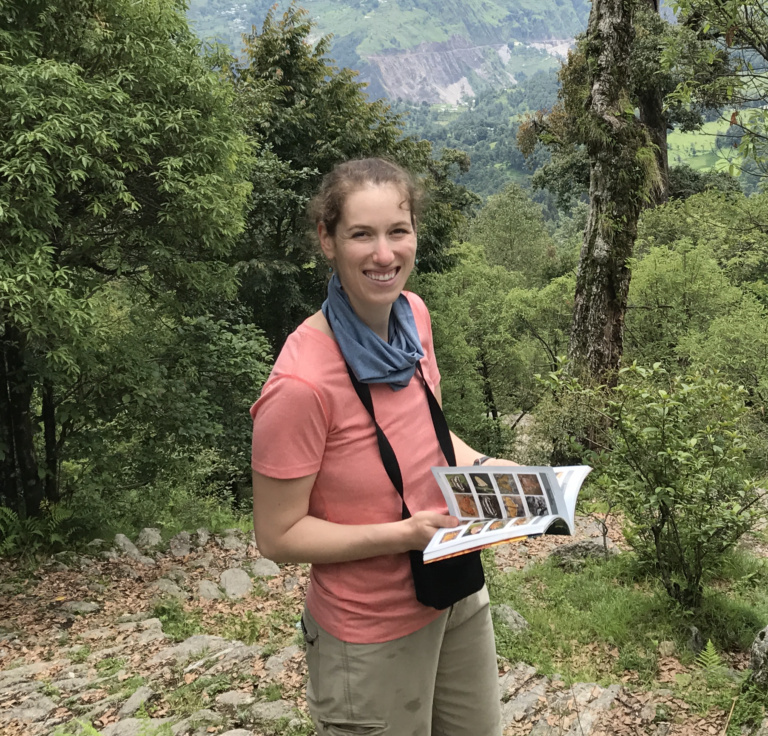
Dr. Briana Abrahms chosen as a Packard Fellow for 2023

Dr. Briana Abrahms has been named a 2023 Packard Fellow for Science and Engineering. As one of 20 new fellows across the country, Abrahms, who holds the Boersma Endowed Chair in Natural History and Conservation, will receive $875,000 over five years for her research. Read the full story here. From all of us at the Center for Ecosystem Sentinels: congratulations […]

, ,
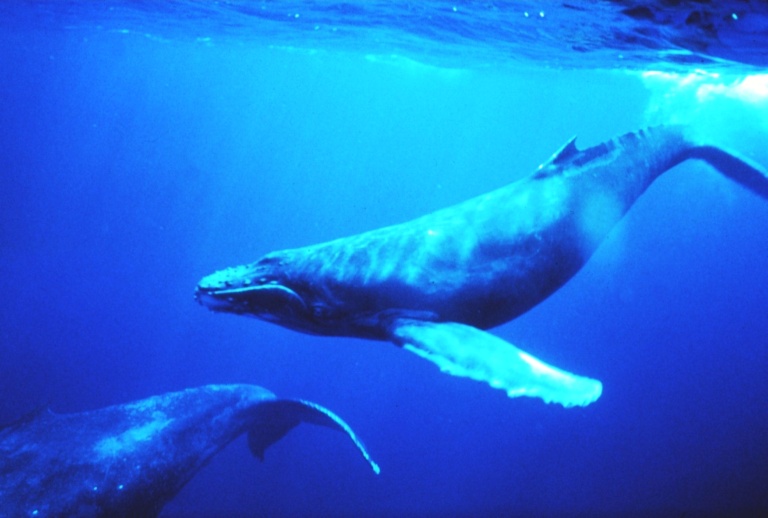
Humpback whale in singing position. Photo credit NOAA / Dr. Louis M. HermanAbrahms Lab, News

Using the power of models to protect whales from possible ship-strikes

Written by Dr. Anna Nisi We have been building cutting-edge models of species distributions for four great whale species – blue, fin, sperm, and humpback whales. One key threat to the great whales is collisions with shipping vessels, and identifying places where ship-strike risk is high is essential for informing mitigation actions like vessel slow-downs. Our next step is to

, , ,
Abrahms Lab, News

Abrahms Lab featured on UW Homepage

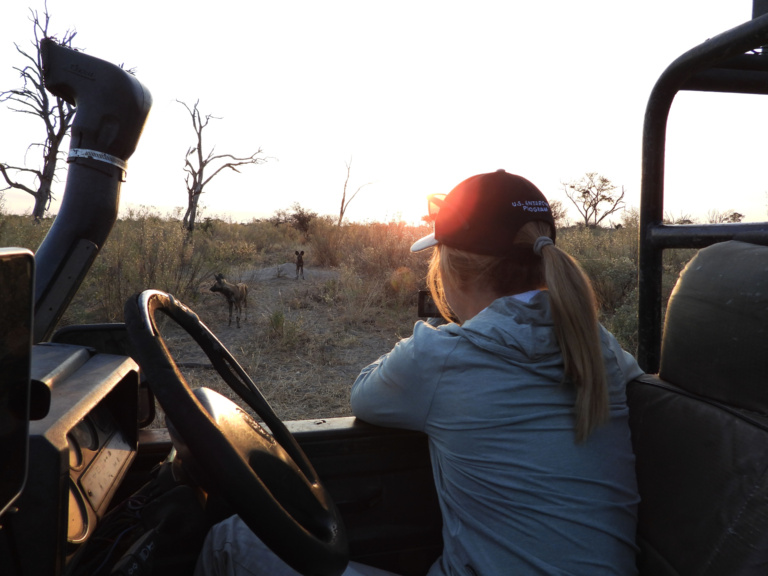
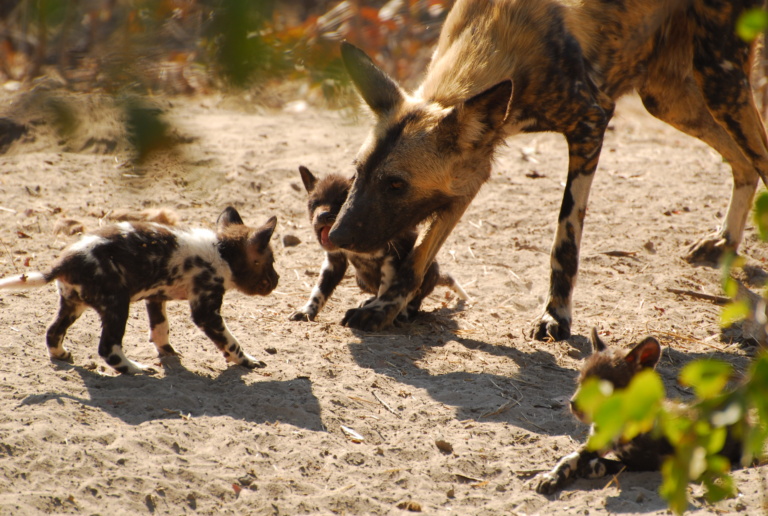
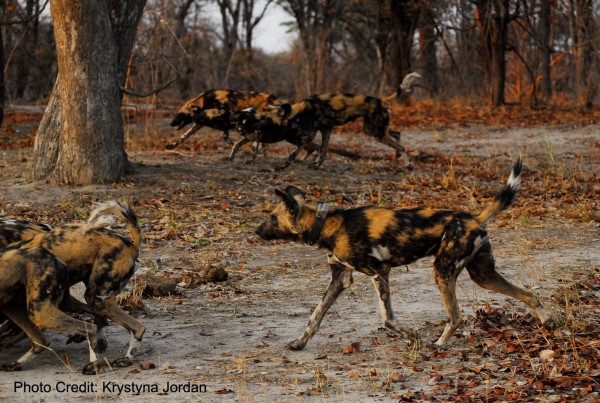
The Abrahms Lab – Briana Abrahms, Biology assistant professor; Kasim Rafiq, Biology postdoctoral researcher; and Leigh West, Biology graduate student – was featured on the UW Homepage this week for their work studying the behavior of endangered African wild dogs in Botswana. Read the full article on the UW homepage. Congratulations, all!

Abrahms Lab, Updates from the Field

Field updates: Readying the 2023 season

After Assistant Professor of Biology and Boersma Endowed Chair Dr. Briana Abrahms and her team deployed GPS-audio wildlife tracking collars on African wild dogs and lions during the summer of 2022, Dr. Abrahms and Dr. Kasim Rafiq, a postdoc in the Abrahms Lab, have been working with industry collaborators to build AI models that detect behaviors (such as hunting) and hunger levels

, ,
Abrahms Lab, Boersma Lab, Updates from the Field

Field updates: Argentina, Winter 2023

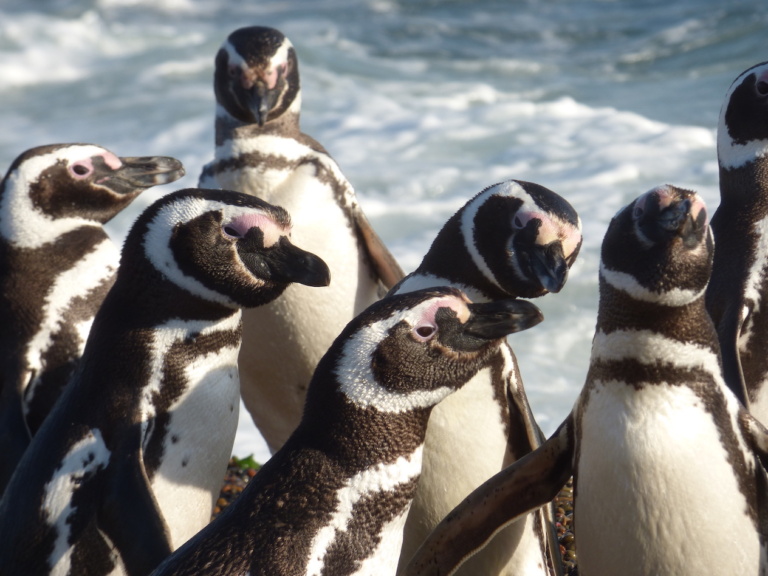
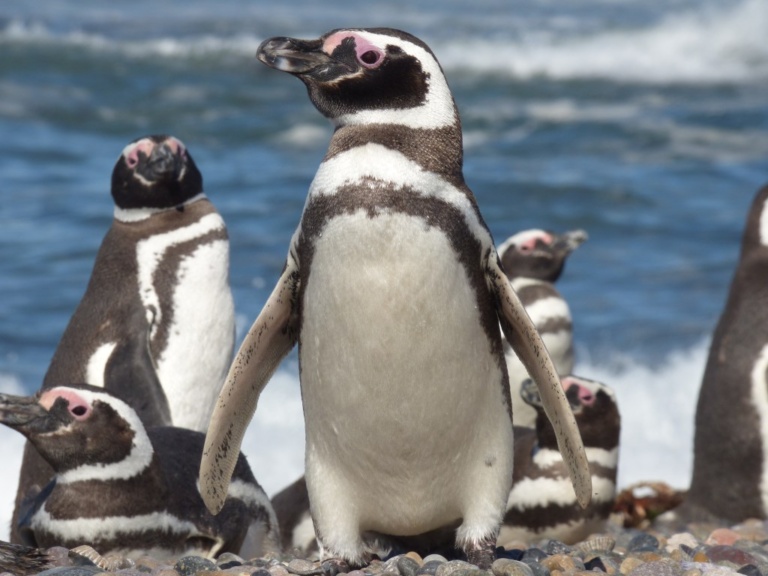
In January and February of 2023 Dr. Dee Boersma, along with PhD students Katie Holt (Boersma Lab) and Erik Johansson (Abrahms Lab), spent six weeks in Punta Tombo to set up the remote scales that weigh penguins on their way in and out of the breeding area, and followed 19 penguins using GPS tags. The three of them were also able

, , , ,
Scroll to Top