Scientists can now track animal movements using technologies like GPS, which has greatly improved our understanding of ecosystems. This information, however, is not widely used to measure progress toward global biodiversity conservation goals. Current biodiversity indicators often detect environmental changes too slowly and do not explain why those changes are happening. The authors argue that animal movement data can provide more realistic and detailed information about how ecosystems function. Tracking movements can also act as an early warning system by revealing problems before species populations decline significantly. These data are already helping conservation efforts, from local wildlife management to international agreements that protect migratory species. The authors recommend using movement data to create better biodiversity indicators and to identify the causes of biodiversity loss and recovery.
Authors: Oliver, R. Y., Pollock, L., Yanco, S., Hammerschlag, N., Ellis-Soto, D., Mills Fleming, J., Bentley, L., Davidson, S., Bowers, M., Tucker, M., Hertel, A., Mueller, T., Xu, W., Rogers, W., Kendall-Bar, J., Cooper, N., Hughey, L., Hébert, K., Gonzalez, A., Harrison, A.-L., Millette, K. L., Speaker, T., Stabach, J., Abrahms, B., et al.
Journal: Nature Reviews Biodiversity
DOI: 10.1038/s44358-026-00173-x
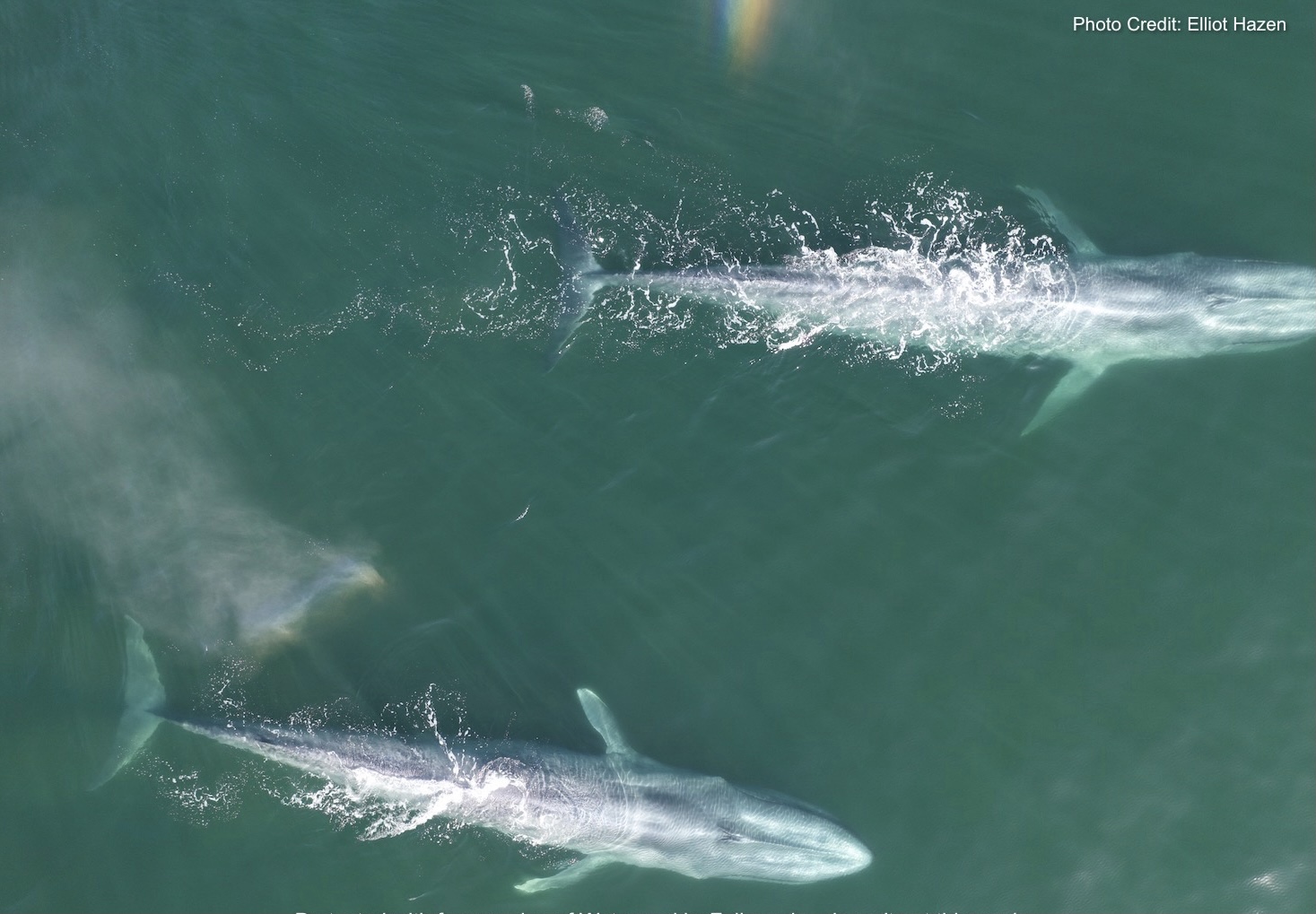
Photo credit: Elliot Hazen